Understanding Concrete Floor Cracks
What Are Concrete Floor Cracks?
Concrete floor cracks are more than just an eyesore; they are a silent testament to the many forces at play beneath the surface. In South Africa, where climate variability and ground movement are common, understanding these fissures becomes essential. Contrary to popular belief, not all cracks signal disaster—some are merely cosmetic. However, distinguishing between harmless surface fractures and structural concerns is key to maintaining the integrity of your flooring.
So, what exactly are concrete floor cracks? Simply put, they are fractures or splits that develop within the concrete slab. These cracks can vary from hairline fractures to more prominent fissures that threaten the stability of the entire structure. Several factors contribute to their formation, including natural ground settling, temperature fluctuations, and improper curing during installation. Recognizing these causes helps homeowners and professionals alike to gauge whether a crack requires urgent attention or is just part of the normal aging process.
Often, the presence of concrete floor cracks is a sign that the ground beneath your property is shifting—an especially relevant concern in regions prone to seismic activity or expansive clay soils. For those seeking clarity, here are common types of cracks you might encounter:
- Settlement cracks from uneven ground
- Expansion cracks caused by temperature changes
- Structural cracks linked to load stress
Understanding the nature of these cracks provides invaluable insight into the health of your concrete flooring, ensuring that any necessary repairs are both timely and appropriate. After all, a well-maintained concrete floor is not just about aesthetics but about safeguarding the long-term stability of your property.
Common Types of Cracks in Concrete Floors
Within the realm of concrete floor cracks, a fascinating spectrum of fissures reveals the history of a structure’s silent battles against time and earth’s whims. These cracks are not merely flaws; they are stories etched into the very fabric of your flooring, whispering secrets about ground movement and environmental stressors. In South Africa’s volatile climate—where temperature swings and ground movements are common—understanding the different types of concrete floor cracks becomes an essential part of property care.
Among the most prevalent are settlement cracks, which form as the ground beneath shifts unevenly, creating a web of fine fractures. Expansion cracks, on the other hand, appear when temperature fluctuations cause the concrete to expand and contract, often resulting in visible fissures that stretch across the surface. Structural cracks, more ominous in appearance, are typically caused by load stress and threaten the stability of the entire floor.
- Settlement cracks
- Expansion cracks
- Structural cracks
Recognizing these distinct types of concrete floor cracks not only aids in assessing damage but also guides necessary repairs. Each crack type serves as a chapter in the ongoing saga of your property’s resilience, making it vital to distinguish between harmless surface fractures and those that could compromise long-term stability.
Causes of Cracks in Concrete Floors
Concrete floor cracks are not just unsightly blemishes; they are a fingerprint of the underlying chaos happening beneath your feet. Understanding the causes of cracks in concrete floors can save you from costly repairs and sleepless nights. Believe it or not, these fissures often tell a story of environmental stressors, ground instability, and even construction missteps. In South Africa’s unpredictable climate, where temperature swings can be more dramatic than a soap opera plotline, knowing what triggers concrete floor cracks is essential for any property owner.
One common culprit is ground movement, especially in areas with expansive clay soils that swell when wet and shrink when dry. This natural cycle exerts pressure on the concrete, leading to cracks that stretch like a spider’s web across your floor. Additionally, improper curing or inadequate mixing during installation can leave concrete vulnerable to future cracks. To make matters more interesting, heavy loads and repeated stress from furniture or machinery can gradually weaken the surface, resulting in structural cracks that threaten the integrity of your entire floor.
In essence, the causes of cracks in concrete floors are as diverse as South Africa’s landscapes. From ground settlement to temperature fluctuations, each factor plays a role in the ongoing saga of your flooring’s battle against nature and time. Recognizing these causes early on can be the difference between a minor cosmetic fix and a major overhaul of your concrete flooring system.
Identifying Different Types of Floor Cracks
Hairline Cracks and Minor Surface Flaws
Concrete floor cracks often tell a story far beyond mere surface imperfections. Among these, hairline cracks and minor surface flaws are the most subtle yet revealing signs of underlying issues or natural settling. These delicate fissures, sometimes less than a millimeter wide, can appear almost as if a spider’s fine web has been etched into the surface. While they often cause little concern initially, understanding their nature is crucial in assessing whether they are simply cosmetic or indicative of more serious structural concerns.
Hairline cracks, for instance, typically form during the curing process of concrete and are usually harmless if they remain superficial. Minor surface flaws, on the other hand, may include tiny pits or rough patches that occur due to improper finishing or surface contamination. To better grasp the significance of these imperfections, here are some common types of surface manifestations:
- Fine, hairline cracks that run across the surface
- Superficial surface chips or rough patches
- Small random cracks that do not affect the structural integrity
Recognizing these subtle signs in your concrete floor can make all the difference between a simple aesthetic fix and a more comprehensive repair. In the intricate dance of materials and environment, even the smallest flaw can hint at deeper stories waiting to be uncovered. After all, each crack, no matter how minor, is a chapter in the ongoing narrative of a concrete floor’s life and resilience.
Settlement Cracks
Settlement cracks are among the most common types of concrete floor cracks, and understanding them can save property owners a great deal of worry. These cracks typically form as the ground beneath the concrete shifts or settles over time, creating visible fractures that often run in a pattern across the surface. Unlike surface-level flaws, settlement cracks can sometimes hint at deeper issues with the foundation or soil stability, especially in areas prone to soil movement or erosion.
To identify settlement cracks, look for certain characteristics. They often appear as narrow, vertical, or diagonal fissures that may widen over time. These cracks tend to be irregular and can occur in clusters, especially near corners or edges of the slab. Furthermore, their location and pattern can reveal whether they are active or have stabilized. Recognizing these signs early can make all the difference in preventing more serious structural problems in the future.
- Vertical or diagonal orientation
- Widening over time or with seasonal changes
- Clusters near corners or edges of the concrete floor
Settlement cracks are a telltale sign that the ground beneath the concrete has shifted. While they may initially seem superficial, their presence in a concrete floor underscores the importance of a thorough inspection. These cracks serve as an early warning, urging homeowners and professionals alike to assess the stability of the foundation and surrounding soil conditions to ensure long-term durability and safety.
Stress Cracks and Structural Damage
Recognizing different types of concrete floor cracks is crucial for assessing potential structural issues. Stress cracks often appear as thin, spider-web patterns or narrow fissures that run across the surface, caused by shrinkage or temperature fluctuations. They tend to stay stable and don’t compromise the integrity of the floor. However, if left unchecked, they can develop into more serious problems.
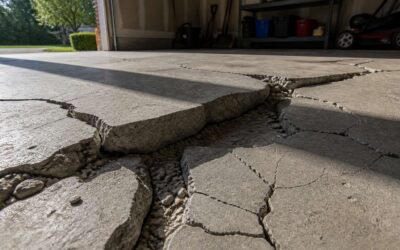
Structural damage cracks are typically wider, deeper, and may have irregular shapes. These cracks often indicate significant underlying issues, such as foundation settlement or soil movement. It’s essential to distinguish between minor stress cracks and those signaling structural failure. Here are some signs that point towards structural damage:
- Widening over time
- Displacement or misalignment of the slab
- Cracks that extend into walls or columns
Understanding these differences allows property owners to act swiftly and seek professional assessment before small cracks escalate into costly repairs. The key to maintaining a durable concrete floor lies in early identification and monitoring of concrete floor cracks.
Plastic Shrinkage Cracks
Plastic shrinkage cracks are among the most common types of concrete floor cracks homeowners and contractors encounter. These tiny fissures often appear within hours of pouring, especially in hot or windy conditions. They look like fine, spider-web patterns or hairline cracks that run across the surface of the concrete floor. While they might seem minor, understanding their nature is key to avoiding future issues.
Unlike structural damage cracks, plastic shrinkage cracks are typically superficial and do not threaten the stability of the floor. They form due to rapid moisture evaporation before the concrete has fully set. To monitor these cracks, property owners should regularly inspect the surface and note any expansion or new fissures. Recognising the difference between harmless plastic shrinkage cracks and more severe concrete floor cracks can save thousands in repairs and maintain the integrity of your flooring.
Large and Wide Cracks
When the ground beneath a structure shifts and breathes, the cracks that emerge are often silent witnesses to unseen forces at play. Among these, large and wide cracks stand out like jagged scars—testaments to movement, stress, or foundational instability. These fissures cut across the surface of concrete floors, their breadth revealing more than mere surface flaws—they whisper stories of structural strain and potential peril.
Identifying these expansive cracks requires a keen eye and a sense of urgency. Unlike hairline fractures or surface imperfections, large cracks often span several centimeters, sometimes forming a V-shaped pattern that widens as the ground shifts. They can be caused by various factors, from soil subsidence to heavy load stress, and their presence signals a need for thorough inspection. Recognising the difference between superficial surface cracks and those that threaten the integrity of your concrete floor is crucial for safeguarding property value and structural stability.
In the realm of concrete floor cracks, understanding the significance of these wide fissures can make all the difference. They are more than just visual blemishes; they are indicators of underlying issues that may escalate if left unaddressed. Whether caused by foundational settlement or environmental pressures, these cracks demand attention and prompt intervention to prevent costly repairs and ensure enduring stability.
Factors Contributing to Concrete Floor Cracks
Improper Mixing and Placement
Concrete floor cracks often stem from improper mixing and placement. When the concrete mix isn’t correctly prepared, its strength and durability can be compromised, leading to cracks over time. Using too little water results in a stiff, unworkable mix, while excess water weakens the final product and increases shrinkage. Proper placement is equally critical; rushing the process or uneven pouring can cause internal stresses that manifest as cracks.
In addition, temperature fluctuations during curing can cause inconsistent setting, further exacerbating the problem. To prevent this, some contractors opt for controlled curing methods.
For optimal results, attention to detail during mixing and placement is vital. Ensuring the correct ratio of cement, water, and aggregates, along with meticulous pouring techniques, can dramatically reduce the risk of concrete floor cracks. A careful approach here means a stronger, longer-lasting floor.
Inadequate Reinforcement
In the grand theatre of construction, inadequate reinforcement often plays the silent villain behind many a concrete floor crack. When steel mesh or rebar isn’t properly embedded or sufficiently spaced, it leaves the concrete vulnerable to tensile stresses—much like brittle bones in a body that’s not properly supported. This oversight can turn a seemingly sturdy floor into a battlefield of fissures that mar both function and finesse.
Without robust reinforcement, the concrete’s natural tendency to shrink and settle becomes a catalyst for cracks that are both wide and unwelcome. Interestingly, many contractors underestimate the importance of proper reinforcement, assuming the concrete alone will bear the brunt of structural demands. In reality, the absence of adequate steel mesh or rebar is akin to building a castle on sand—inevitably, cracks will appear.
- Insufficient reinforcement
- Improper placement of steel reinforcements
- Failure to adhere to structural load requirements
These oversights can lead to a cascade of problems, turning what should be a durable, seamless surface into a network of cracks that undermine safety and aesthetics. A keen eye on reinforcement—its design, placement, and density—is essential to prevent the onset of persistent concrete floor cracks, preserving both the integrity and visual appeal of the space.
Temperature Fluctuations and Climate Impact
In the shadowed corridors of construction, the capricious dance of temperature fluctuations often whispers secrets that unravel the integrity of concrete floors. South Africa’s capricious climate—where scorching summer days give way to icy winter nights—can be a silent architect of destruction beneath the surface. As the mercury rises and falls, the concrete responds in a language of expansion and contraction, forging a path for cracks to emerge like sinister scars.
Extreme temperature swings, especially when rapid or uneven, exacerbate the formation of concrete floor cracks. These thermal stresses cause the material to stretch beyond its limit, often resulting in fissures that threaten both safety and aesthetics. The climate’s relentless influence underscores the importance of designing for resilience—considering local weather patterns ensures that the concrete remains steadfast against nature’s whims.
In regions where temperature variations are stark, it’s not uncommon to see a network of cracks snaking across the surface—an ominous testament to the unyielding power of climate. Adapting concrete mixes with additives that mitigate thermal expansion, or employing strategic joint placements, can help tame this relentless cycle. But beware—ignoring the climate’s impact often leaves the concrete vulnerable, turning a once pristine surface into a tableau of creeping fissures that threaten to fracture under the weight of time and temperature.
Water and Moisture Issues
Water and moisture issues can silently undermine the structural integrity of concrete floors, often leading to the development of cracks that are both subtle and insidious. In South Africa, where seasonal rains and high humidity are common, moisture infiltration becomes an ever-present threat. When water seeps into tiny pores and microcracks, it causes the concrete to weaken over time, paving the way for larger fissures to form.
Persistent moisture fluctuations cause the concrete to expand and contract repeatedly, compounding stress and accelerating crack propagation. This cycle is especially problematic in poorly drained areas or where water is allowed to pool, creating an environment ripe for deterioration. Recognising the signs of moisture-related damage early on can save significant costs and preserve the lifespan of your concrete floor.
To understand the impact thoroughly, it’s helpful to consider some contributing factors:
- Inadequate waterproofing measures during construction
- High groundwater levels exerting pressure beneath the slab
- Presence of efflorescence or salt deposits, which often indicate moisture migration
Ultimately, water and moisture issues are a primary catalyst for concrete floor cracks, especially when combined with other stressors such as temperature fluctuations. When moisture infiltrates, it not only causes physical expansion but also fosters chemical reactions that weaken the concrete matrix—making cracks more likely and more severe. Addressing these issues requires a keen eye and proactive strategies to mitigate moisture ingress and safeguard the longevity of your concrete surfaces.
Heavy Load and Usage
When the weight of relentless use bears down on a concrete floor, it can awaken a hidden menace—cracks that whisper of impending doom. Heavy loads and constant traffic exert an unforgiving pressure, gradually stretching the concrete beyond its breaking point. Over time, this relentless strain can carve out fissures that threaten the very foundation of your space.
In environments where machinery rumbles or forklifts dart across the surface, the stress on the concrete can amplify, especially if the slab wasn’t designed with sufficient reinforcement. The result? Cracks that widen and deepen, their shadows stretching like dark veins beneath the surface. Concrete floor cracks may appear minor at first, but their silent expansion can lead to structural vulnerabilities that are costly to repair.
Understanding the role of heavy load and usage in the formation of these fractures is crucial. It reveals how the relentless passage of weight—whether in industrial warehouses or bustling garages—can accelerate deterioration. When combined with other stressors, such as temperature fluctuations or moisture ingress, these cracks evolve into a haunting testament of neglect and overexertion.
Signs and Symptoms of Serious Cracks
Structural Damage Indicators
Concrete floor cracks often serve as silent witnesses to underlying issues that threaten the structural integrity of a building. While some cracks are mere surface imperfections, others are indicative of more serious problems. Recognising the signs and symptoms of these cracks can be crucial in preventing costly repairs down the line. One of the most alarming indicators is the emergence of large and wide cracks that seem to widen over time, signaling potential structural damage. Such cracks often accompany uneven floors or visible shifts in the foundation, raising red flags for homeowners and professionals alike.
In addition, persistent cracking that continues despite repairs may suggest deeper issues. Look for cracks that are accompanied by visible displacement of the concrete surface or those that are accompanied by unusual sounds like cracking or popping. These symptoms often point to ongoing stress within the structure, which, if left unchecked, can compromise safety. Moisture infiltration around cracks can exacerbate deterioration, especially in South Africa’s climate, where temperature fluctuations and water issues are common. Recognising these signs early can mean the difference between simple patchwork and comprehensive structural assessment.
Uneven Floors and Sagging
In the shadowed corridors of a home or the silent depths of a warehouse, one truth remains: cracks in concrete floors are more than mere blemishes—they are whispers of unseen chaos. When cracks start to form uneven floors or sag ominously, they often herald a deeper malaise within the very foundation. These symptoms, subtle yet sinister, can unravel the stability of a structure if left unheeded.
Uneven floors, where tiles or surface levels betray their allegiance to gravity, are often the first sign of serious cracks in concrete floors. Sagging sections, almost like the slow droop of a dying limb, suggest that the underlying support has begun to falter. Such distortions are not fleeting; they intensify over time, signaling that the structural integrity is under siege.
Pay close attention to cracks that appear to shift or widen—these are not ordinary surface flaws. They may be accompanied by strange sounds—cracking or popping—that echo through the silence, hinting at ongoing stress within the concrete. These symptoms act as grim portents, warning of potential collapse if ignored.
In the quiet, moisture seeps into these fissures, exacerbating deterioration. Especially in South Africa’s climate, where temperature fluctuations and water issues are relentless, this infiltration accelerates the decay of the concrete. Recognising these early signs of serious cracks in concrete floors can mean the difference between a simple repair and a catastrophic failure lurking in the shadows.
Progressive Crack Propagation
Progressive cracks in concrete floors are a silent yet unmistakable sign of underlying structural distress. These cracks don’t merely widen or lengthen—they often accelerate with alarming speed, transforming from tiny fissures into formidable chasms that threaten the stability of your entire space. When you notice a crack that seems to creep or expand, it’s as if the concrete is whispering a warning—an urgent call to investigate deeper.
Signs of serious cracks include cracks that are not only widening but also exhibiting vertical displacement or misalignment. These symptoms often indicate ongoing stress within the foundation, which, if left unchecked, could culminate in catastrophic failure. You might observe cracks that suddenly seem to leap across the surface or form a network of jagged lines—these are often harbingers of a more severe issue lurking beneath.
Monitoring the progression of these cracks is essential. An increase in crack width or the appearance of new fissures along existing ones signals movement within the concrete. Pay close attention to the patterns and angles—diagonal cracks often point to shear stress, while vertical cracks may be linked to settlement. Recognising these subtle yet telling signs can be the difference between a simple repair and a costly disaster.
In South Africa’s climate, where temperature swings and moisture infiltration are common, the progression of cracks can be swift. The relentless expansion and contraction of the concrete amplify existing weaknesses, making early detection and understanding of the signs of serious cracks in concrete floors more crucial than ever. These cracks are not just surface flaws—they are the cracks in the armor of your structure’s integrity, crying out for attention before it’s too late.
Water Leakage and Infiltration
In the shadowy realm of structural deterioration, water leakage and infiltration emerge as sinister signs of serious cracks in concrete floors. When moisture seeps through the tiniest fissures, it whispers tales of underlying chaos lurking beneath the surface. In South Africa’s capricious climate, where temperature swings and relentless humidity are common, these cracks transform from mere surface flaws into gateways for water to invade the sanctuary of your space.
Signs of water infiltration often manifest as dark, damp patches or the formation of efflorescence—a ghostly white crust—on the surface. Over time, this moisture can weaken the bond within the concrete, accelerating the progression of cracks and undermining structural integrity. Often, the cracks themselves become conduits for water, deepening and widening as the corrosion of reinforcement steel or soil movement takes hold.
Recognising these signs early is crucial. Cracks that seem to “leak” or appear alongside water stains should never be dismissed—they are the dark harbingers of a brewing catastrophe. Pay attention to the pattern of these fissures:
- Diagonal cracks combined with damp patches suggest shear stress from shifting foundations,
- Vertical fissures filled with moisture hint at settlement issues,
and each detail is a piece of a larger, more ominous puzzle.
In the haunted corridors of concrete, water infiltration is often the silent assassin—gradually eroding the very fabric of your floor, turning minor cracks into chasms of structural despair. As the moisture works its dark magic, it feeds the proliferation of mold and mildew, further degrading the environment and amplifying the sinister cycle of decay. Recognising these signs—small damp spots, persistent moisture, or ghostly white deposits—may be your only warning before the entire edifice crumbles into ruin.
Preventative Measures and Maintenance
Proper Concrete Mixing and Pouring Techniques
Imagine a world where every step you take on a concrete floor is as smooth as a ballroom dance—yet, alas, concrete floor cracks often turn that dream into a dance of despair. The secret to avoiding this misstep lies in preventative measures and meticulous maintenance. Proper concrete mixing and pouring techniques serve as the foundation of a resilient floor, ensuring it withstands the test of time and load. When the ingredients are mishandled or poured in a hurried fashion, cracks are bound to follow—like uninvited guests at a well-planned soirée.
To curtail the emergence of cracks, focus on the quality of your concrete. Use the right water-to-cement ratio, avoid over-vibration, and work swiftly to achieve a uniform, well-compacted pour. For those who appreciate the finer details, consider implementing a few strategic steps:
- Ensure consistent temperature conditions during pouring
- Use adequate reinforcement to distribute stress evenly
- Implement controlled curing methods to prevent rapid drying and plastic shrinkage cracks
In the realm of concrete floor cracks, prudence and precision are your best allies. Proper mixing and pouring techniques not only extend the longevity of your concrete but also save you from costly repairs down the line. After all, a well-laid floor is the silent testament to craftsmanship and foresight—worthy of admiration rather than regret.
Use of Reinforcement and Control Joints
Preventative measures and diligent maintenance are the silent guardians of a resilient concrete floor. When it comes to avoiding concrete floor cracks, integrating reinforcement and control joints is crucial. Reinforcement, such as steel bars or mesh, distributes stress evenly across the slab, effectively curbing the formation of cracks caused by load stress or ground movement. Meanwhile, control joints act as predetermined weak points, guiding cracks to form along designated lines rather than randomly scattering across the surface.
In South Africa’s diverse climate, temperature fluctuations can induce expansion and contraction in concrete, making control joints even more vital. Proper placement of these joints—at strategic intervals—can significantly reduce the risk of large, unsightly cracks. Additionally, using high-quality reinforcement materials ensures longevity, especially in areas prone to moisture infiltration which often exacerbates concrete floor cracks. Regular inspection and maintenance are key to catching early signs of cracking, allowing for timely repairs that prevent minor issues from escalating into structural concerns.
- Strategic placement of control joints
- Use of durable reinforcement materials
- Consistent maintenance routines
By embedding these preventative strategies into your project, you fortify your concrete floor against the stresses of everyday life—preserving its integrity and beauty for years to come. Every crack avoided is a testament to craftsmanship and foresight, turning a simple floor into a lasting foundation of stability and pride.
Moisture Control Strategies
Even the most meticulously poured concrete can fall prey to the insidious creep of cracks over time. In South Africa’s capricious climate, moisture control strategies are not mere suggestions but essential safeguards against concrete floor cracks. Excess moisture—be it from seasonal rain, rising damp, or poor drainage—can weaken the slab’s integrity, leading to surface fissures that undermine both aesthetics and safety.
To combat this, implementing effective moisture control measures is paramount. These include proper drainage systems, vapor barriers, and sealants that repel water infiltration. Additionally, regular inspection routines—such as checking for signs of dampness or surface erosion—are vital in catching early cracks before they spiral into structural dilemmas.
For optimal longevity, consider adopting a layered approach: first, ensure proper concrete mixing and placement, then reinforce the slab with durable materials. Finally, maintaining a balanced humidity level and minimizing heavy load impact can dramatically reduce the risk of developing unsightly and costly concrete floor cracks. Remember, prevention is always better than repair—especially when it comes to safeguarding the stability and beauty of your floors.
Regular Inspection and Monitoring
Maintaining the integrity of your concrete floor requires more than just a flawless pour; it demands vigilant preventative measures and ongoing maintenance. Cracks in concrete floors can often be mitigated through proactive strategies that catch issues before they escalate into costly repairs. Regular inspection routines serve as the first line of defense, allowing you to spot early signs of deterioration—be it hairline cracks or small surface flaws—that could develop into more serious problems.
Implementing a structured monitoring approach can significantly reduce the risk of concrete floor cracks. An effective method is to schedule routine visual assessments, paying close attention to areas prone to stress or moisture ingress. For added protection, consider sealing the surface with high-quality sealants that repel water infiltration and prevent moisture-related expansion. Such preventative measures not only preserve the floor’s aesthetic appeal but also extend its lifespan in South Africa’s diverse climate.
- Conduct periodic inspections to identify early crack formation.
- Apply water-resistant sealants to minimize moisture penetration.
- Ensure proper drainage around the slab to divert excess water.
- Maintain balanced humidity levels to prevent shrinkage and expansion.
When combined, these practices form a robust shield against the progression of concrete floor cracks, empowering property owners to safeguard their investments against time’s relentless march. Remember, a vigilant eye today can save a lot of effort and expense tomorrow—making maintenance not just a chore, but a strategic safeguard for your floors’ enduring strength and beauty.
Repairing Concrete Floor Cracks
DIY Repair Options
Concrete floor cracks can be more than just an eyesore—they might hint at underlying issues that threaten the integrity of your property. When these fissures start to widen or multiply, it’s tempting to ignore them, but a proactive approach can save you significant trouble down the line. DIY repair options for concrete floor cracks are a practical starting point, especially when the damage is minor. With the right materials and a bit of know-how, you can effectively seal small cracks and prevent further deterioration.
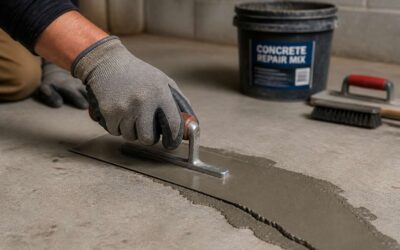
One of the most straightforward methods involves cleaning the crack thoroughly and filling it with a high-quality epoxy or concrete patch. For hairline cracks, a simple crack filler may suffice, but larger or more active cracks might require a more robust approach. Here’s a quick overview of common DIY repair steps:
- Clean the crack thoroughly to remove debris and loose material.
- Apply a bonding agent to ensure adhesion of the repair material.
- Fill the crack with an appropriate concrete repair compound, pushing it deep into the fissure.
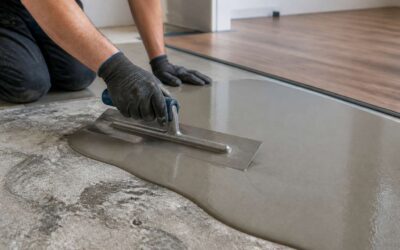
- Level the surface with a trowel and allow it to cure fully before use.
While these methods are effective for minor concrete floor cracks, persistent or widening cracks may signal more serious structural issues. In such cases, seeking professional assessment is crucial to ensure safety and durability. Remember, the key to long-lasting repairs lies in understanding the root cause and choosing the right materials for your specific situation.
Professional Repair Methods
When cracks in your concrete floor appear, they often whisper secrets about the underlying health of your structure. Professional repair methods are essential when these fissures threaten to undermine the integrity of your property. Unlike DIY fixes, which may temporarily mask the problem, professional techniques delve deep to restore strength and stability. The artistry lies not just in sealing the cracks but in understanding their origin — an essential step in ensuring longevity.
One of the most effective methods involves injecting epoxy or polyurethane resins into the crack, creating a seamless bond that resists further movement. This process is especially suited for concrete floor cracks that are active or showing signs of expansion. For wider fissures, professionals may employ specialized concrete patches or overlays, ensuring the repair withstands the test of time. In some cases, underpinning or reinforcement with steel bars might be necessary to address structural damage.
Skilled technicians also utilize advanced tools to assess the severity of the cracks, often employing crack monitoring devices to track progression. This meticulous approach guarantees that each repair targets the root cause, not just the symptom. For concrete floor cracks that threaten the foundation, the key lies in precision and expertise, transforming a seemingly minor flaw into a resilient, durable solution.
Choosing the Right Repair Products
Choosing the right repair products for concrete floor cracks is crucial to ensure a lasting solution. Not all fillers or sealants are created equal, and selecting inappropriate materials can lead to repeated issues down the line. High-quality epoxy and polyurethane resins are popular choices because they bond well with concrete, resist moisture, and accommodate slight movement. These materials are especially effective for active or expanding cracks, providing both flexibility and durability.
When considering repair products, think about the specific type of crack. For example, hairline cracks may only require a surface sealant, while larger, wider cracks often demand specialized patching compounds that can withstand heavy load and usage. In some cases, a layered approach—using a combination of epoxy injections followed by a concrete overlay—can offer the best long-term results.
To further enhance the longevity of your repair, look for products that include moisture control features and are suitable for the climate in South Africa. Properly selected repair materials, combined with careful application, can prevent water infiltration and reduce the risk of further structural deterioration—key concerns when addressing concrete floor cracks. Remember, the right product is only part of the puzzle; skilled application and understanding of the crack’s root cause are essential for a truly effective repair.
Cost and Timeline for Repairs
The cost of repairing concrete floor cracks can vary as widely as the landscape of South Africa itself. On average, minor repairs, such as surface sealing or filling small hairline cracks, may range from R500 to R2,000. Larger, more complex repairs—especially those addressing structural concerns—can escalate to R10,000 or more, depending on the extent of damage and accessibility.
The timeline for fixing concrete floor cracks is equally variable. Small cracks can sometimes be remedied in a single day, while extensive repairs involving epoxy injections or layered patching might extend over several days to ensure proper curing and adherence.
Understanding the scope of your repair project is essential. For instance, surface sealants work swiftly but provide only superficial protection. Conversely, more durable solutions like epoxy or polyurethane resins, which are ideal for active cracks, require meticulous application and longer curing times.
When planning repairs, consider that the long-term resilience of your concrete floor depends not just on the choice of repair product but also on the skilled execution and the underlying cause of the cracks. Budgeting for both cost and time will ensure your concrete floor cracks are transformed from a sign of wear into a symbol of enduring strength!
When to Seek Professional Help
Signs of Structural Damage
Concrete floor cracks are more than just an eyesore—they can be a warning sign of underlying issues that threaten the stability of your property. Recognising when to seek professional help is crucial to prevent minor problems from escalating into costly repairs. If you notice persistent cracks that widen over time or appear alongside uneven floors and sagging, it’s time to call in a structural engineer or concrete specialist. These professionals can accurately assess whether your concrete floor cracks are purely cosmetic or indicative of structural damage.
Signs of serious structural damage include large, wide cracks that run deep into the slab or a pronounced unevenness that affects everyday use. If water leakage or infiltration occurs through the cracks, it can compromise the foundation further, necessitating immediate professional intervention. Be vigilant for progressive crack propagation, which signals ongoing movement within the concrete, and always trust your instincts. When doubt persists, consulting an expert ensures the safety and longevity of your concrete floors, especially in regions where temperature fluctuations or moisture issues exacerbate existing problems.
Widespread or Large Cracks
When you notice widespread or large cracks in your concrete floor, it’s a clear sign that professional help is needed. Such extensive damage can compromise the stability of your entire property if left unaddressed. These cracks often indicate underlying issues like soil movement, inadequate reinforcement, or even foundational shifts that require expert assessment.
In some cases, the cracks may be accompanied by uneven floors or noticeable sagging, which further signals structural concerns. It’s essential to act swiftly, especially if water infiltration is visible through these cracks, as moisture can accelerate deterioration. Recognising the warning signs early on can save you from costly repairs down the line.
For widespread or large cracks, consider consulting a concrete specialist or structural engineer. They can perform a thorough evaluation and recommend appropriate solutions. Often, the severity of these cracks requires a tailored approach, such as underpinning or reinforcement, to restore the integrity of your concrete floor. Remember, trusting the expertise of professionals ensures your safety and peace of mind.
Persistent Moisture Issues
Persistent moisture issues in your concrete floor cracks are more than just an inconvenience; they can be a silent threat to the integrity of your property. When water seeps through cracks, it accelerates deterioration, weakening the foundation and fostering mold growth—an insidious process that often goes unnoticed until significant damage has occurred.
If you observe ongoing moisture infiltration despite efforts to control humidity and surface drainage, it’s time to seek professional help. Experienced specialists can perform comprehensive assessments, utilizing moisture meters and infrared cameras to detect hidden water pathways beneath the surface.
In South Africa’s climate, fluctuating temperatures and seasonal rains exacerbate these problems, making it vital to address moisture issues promptly. Persistent dampness and visible water infiltration through concrete floor cracks should never be ignored. Such signs often indicate deeper structural vulnerabilities that require expert intervention to prevent future, more costly repairs.

0 Comments