Understanding Concrete Floor Polishing
What Is Concrete Floor Polishing?
Concrete floor polishing is more than just a process—it’s an art form that transforms ordinary surfaces into stunning, durable masterpieces. In South Africa’s bustling commercial and residential spaces, polished concrete has become a sought-after feature, blending practicality with aesthetic appeal. A well-executed concrete floor polishing business can elevate the look of any space, providing a long-lasting finish that withstands the test of time and foot traffic.
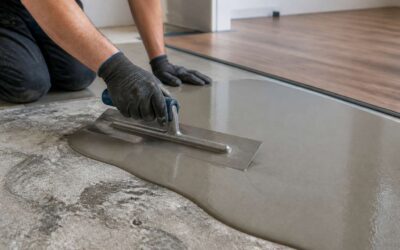
Understanding what concrete floor polishing entails is the first step toward appreciating its impact. Essentially, it involves grinding down the surface of a concrete slab to reveal a smooth, glossy finish. This is achieved through a series of abrasive steps, each progressively finer, culminating in a mirror-like sheen. The process not only enhances visual appeal but also adds to the durability of the floor, making it resistant to stains, spills, and general wear and tear.
- Preparation of the concrete surface
- Application of industrial-grade grinding tools
- Polishing with diamond-infused pads for a flawless finish
- Sealing to protect against future damage
For those in the concrete floor polishing business, understanding the nuances of each step ensures that clients receive a high-quality result that lasts. Whether for a warehouse, retail outlet, or stylish home, polished concrete stands as a testament to resilience and elegance—an investment that pays dividends over years of beauty and function.
Benefits of Polished Concrete Floors
In the world of commercial and residential spaces, the true power of concrete floor polishing lies in its ability to transform ordinary slabs into striking surfaces that endure the test of time. This process not only elevates aesthetic appeal but also introduces a layer of resilience that is hard to match. For a concrete floor polishing business, understanding these benefits is essential to crafting spaces that captivate and withstand daily challenges.
Polished concrete floors offer an impressive mix of durability, low maintenance, and visual brilliance. Their reflective surface enhances ambient lighting, reducing energy costs and creating a welcoming atmosphere. Moreover, the seamless finish minimizes cracks and imperfections, making cleaning effortless and resistant to stains, spills, and scratches.
- Enhanced aesthetic appeal
- Long-lasting durability
- Cost-effective maintenance
- Environmental friendliness through minimal chemical use
Choosing polished concrete isn’t just about looks; it’s a strategic decision for those seeking a resilient and eco-conscious flooring solution. In South Africa’s bustling markets, a well-executed concrete floor polishing business can unlock significant opportunities, satisfying clients who demand both elegance and endurance in their spaces. The secret lies in the intricate process—each step carefully designed to reveal the innate beauty of concrete while bolstering its strength for years to come.
Types of Concrete Floor Finishes
Understanding the different types of concrete floor finishes is crucial for any successful concrete floor polishing business. Each finish offers a unique aesthetic and functional quality, catering to diverse client needs across South Africa’s vibrant markets. From a high-gloss mirror-like surface to a more subdued matte, the options allow for tailored solutions that elevate both residential and commercial spaces.
One popular finish is the burnished look, achieved through polishing with progressively finer abrasives, resulting in a sleek, reflective surface that amplifies natural light. Alternatively, the honed finish offers a softer, satin-like appearance, perfect for spaces that require a subtle elegance without excessive shine. For areas demanding extra slip resistance, a textured finish can be created, blending safety with style.
- Polished concrete with high reflectivity for a modern industrial aesthetic.
- Matte finishes that conceal imperfections while maintaining a clean look.
- Textured surfaces designed for enhanced safety in high-traffic zones.
Choosing the right type of concrete floor finish depends on the specific demands of each project, a decision that can significantly impact the success of your concrete floor polishing business. Whether aiming for durability, style, or safety, understanding these nuances ensures your offerings remain competitive and tailored to South Africa’s diverse environments.
Starting a Concrete Floor Polishing Business
Market Research and Industry Insights
Launching a concrete floor polishing business in South Africa isn’t just about having shiny floors; it’s about understanding the market’s pulse and knowing where the real opportunities lie. Did you know that the global polished concrete market is expected to grow at a compound annual growth rate (CAGR) of 6.5% over the next five years? That’s no small potatoes! For entrepreneurs eyeing the industry, comprehensive market research can reveal lucrative niches—be it commercial warehouses, retail outlets, or trendy industrial-chic offices.
Industry insights also point to the rising demand for eco-friendly and low-maintenance flooring solutions, making concrete floor polishing an appealing choice for environmentally conscious clients. To stay ahead, a savvy business owner should analyze local competition, identify underserved areas, and evaluate raw material costs. Here’s a quick list of critical factors to consider:
- Customer preferences and trends in South Africa
- Pricing strategies of competitors
- Regulatory standards and safety requirements
- Supply chain logistics for polishing equipment and materials
In the bustling landscape of concrete floor polishing business, detailed market research isn’t just a good idea — it’s the secret sauce for carving out a profitable niche in this ever-expanding industry.
Required Skills and Qualifications
Starting a concrete floor polishing business demands more than just technical skill; it requires a keen eye for detail and a strategic mindset. The ability to assess client needs and translate those into durable, aesthetically pleasing surfaces is essential. A strong foundation in surface preparation, grinding, and sealing techniques is crucial for delivering high-quality results that stand the test of time.
Beyond technical prowess, entrepreneurs should possess excellent communication skills to navigate client expectations and foster repeat business. Familiarity with local regulations and safety standards in South Africa ensures compliance and smooth operation.
To succeed, consider developing expertise in key areas such as:
- Surface assessment and preparation
- Equipment maintenance and handling
- Material selection and application techniques
A well-rounded skill set combined with a passion for craftsmanship creates the perfect recipe for a thriving concrete floor polishing business. Such expertise not only elevates your service quality but also builds credibility in a competitive marketplace.
Legal and Licensing Considerations
Launching a concrete floor polishing business in South Africa is an endeavor that blends craftsmanship with enterprise. Yet, beneath the gleam of polished surfaces lies a foundation of legal and licensing considerations that cannot be overlooked. Ensuring compliance with local regulations not only safeguards your reputation but also fortifies your business against unforeseen legal pitfalls.
Navigating the licensing landscape involves securing the necessary permits and adhering to safety standards mandated by South African authorities. Registration with local business chambers and compliance with occupational health and safety standards are essential steps. In some cases, specialized licenses may be required, especially if your business involves the use of specific chemicals or machinery.
To streamline this process, consider the following steps:
- Register your business with the Companies and Intellectual Property Commission (CIPC).
- Obtain necessary permits from local municipal authorities.
- Ensure your team is trained and certified in safety protocols.
- Stay updated on changes in legislation that impact the concrete floor polishing business industry.
By diligently attending to these legal and licensing considerations, you lay the groundwork for a resilient and reputable enterprise. A polished reputation begins with a compliant foundation, turning your vision into a thriving reality in the competitive South African market.
Necessary Equipment and Supplies
Starting a concrete floor polishing business requires more than just a keen eye for detail—it demands the right arsenal of equipment to transform dull, rough surfaces into gleaming masterpieces. In South Africa’s competitive market, having the necessary supplies can make or break your reputation. From heavy-duty grinders to high-performance sealers, each tool plays a pivotal role in delivering that flawless finish clients crave.
Investing in quality equipment ensures efficiency and durability, allowing your team to handle projects from small retail spaces to expansive industrial floors with confidence. Essential supplies include:
- Diamond grinding and polishing machines
- Vacuum systems for dust extraction
- Concrete densifiers and sealers
- Safety gear such as respirators, gloves, and eye protection
As you build your concrete floor polishing business, remember that the right selection of equipment not only guarantees superior results but also enhances safety and operational speed. Each piece of gear contributes to the unwavering pursuit of perfection, making your business stand out in South Africa’s bustling construction and renovation landscape.
Setting Up Your Concrete Floor Polishing Business
Developing a Business Plan
Starting a concrete floor polishing business isn’t just about having the right equipment; it’s about crafting a strategic blueprint that guides your growth and stability. Developing a comprehensive business plan helps you identify target markets, set realistic financial goals, and establish operational benchmarks. In a competitive industry like concrete floor polishing, clarity in your objectives can mean the difference between stagnation and success.
To get your business off the ground, consider outlining essential steps such as market positioning, pricing strategies, and service differentiation. A well-thought-out plan also addresses potential challenges—whether it’s fluctuating demand or regulatory changes—and prepares you to adapt swiftly. Remember, a clear vision combined with detailed planning can turn your concrete floor polishing business into a trusted name in the industry!
Choosing a Suitable Location
Choosing the perfect location for your concrete floor polishing business can feel like searching for a hidden gem among the urban landscape. In South Africa’s bustling commercial hubs or emerging industrial corridors, the right spot can turn your enterprise into a thriving beacon of craftsmanship. A strategic location not only ensures visibility but also streamlines access to your target market, whether it’s warehouse managers, retail outlets, or renovation specialists.
When selecting a site, consider proximity to high-traffic areas and the ease of access for large equipment. A well-chosen venue offers the opportunity to showcase your expertise and attract word-of-mouth referrals. In this industry, visibility and reputation walk hand in hand, making location an unspoken cornerstone of success. Remember, in a competitive concrete floor polishing business, the right setting can be your secret weapon for growth and stability.
Estimating Startup Costs
Establishing a concrete floor polishing business is an exciting venture, but understanding the financial landscape is crucial before diving in. Estimating startup costs isn’t just about tallying expenses; it’s about envisioning the journey from a blank slate to a shining, polished floor that dazzles clients. The initial investment can vary widely depending on the scale of your operations, but a clear picture of your expenses helps turn dreams into reality.
To start, consider the essential equipment and supplies—high-quality grinders, polishers, and safety gear—all of which form the backbone of your concrete floor polishing business. The investment here can range from affordable to premium, depending on your ambitions. Additionally, don’t forget to budget for marketing, licensing, and insurance, which are vital for establishing trust and credibility in South Africa’s competitive market. A detailed breakdown, such as the following, can guide your financial planning:
- Equipment and machinery
- Consumables and polishing pads
- Transportation and logistics
- Licensing and permits
- Marketing and branding
By meticulously estimating these costs, you lay the foundation for a sustainable and prosperous concrete floor polishing business—one that transforms ordinary surfaces into extraordinary works of art while ensuring financial stability every step of the way.
Pricing Strategies and Profit Margins
Pricing strategies are the lifeblood of a successful concrete floor polishing business. Setting the right price requires a delicate balance—too high, and potential clients might look elsewhere; too low, and your profit margins suffer. A well-structured pricing model not only covers costs but also positions your service as premium and reliable. It’s essential to understand the value of your craftsmanship, especially when competing in South Africa’s bustling market.
To maximize profitability, consider adopting a tiered pricing approach. For example, standard polishing might be priced differently than intricate decorative finishes or high-traffic commercial surfaces. By doing so, you create flexible options that cater to diverse client needs. Remember, your profit margins are directly tied to how effectively you price your services. Analyzing local market rates and factoring in your operational expenses can help you find that perfect sweet spot, ensuring your concrete floor polishing business remains financially resilient and highly sought after.
Effective Marketing Strategies for Concrete Floor Polishing
Building a Strong Online Presence
In a competitive landscape like South Africa’s construction and renovation industry, establishing a robust online presence can make all the difference for a thriving concrete floor polishing business. With more clients turning to the internet to find trusted service providers, your digital footprint becomes your storefront. Harnessing effective marketing strategies involves a blend of targeted SEO, engaging content, and strategic local listing optimization.
One of the most powerful tools is a well-optimized website that highlights your expertise and showcases stunning before-and-after images of your work. Incorporating keywords such as “concrete floor polishing business” naturally into your site content boosts visibility in search engine results. Additionally, maintaining active social media profiles—sharing project updates and client testimonials—can elevate your reputation and reach. Remember, in this industry, word-of-mouth and online reviews are gold. Building a strong online presence isn’t just about visibility; it’s about establishing trust and authority in the concrete floor polishing business. This approach ensures your company stands out amidst the competition, capturing the attention of clients eager for quality craftsmanship.”
Search Engine Optimization (SEO) Tips
In today’s digital age, a thriving concrete floor polishing business hinges on mastering effective marketing strategies that elevate your visibility. SEO isn’t just a buzzword; it’s the secret weapon to outrunning competitors in South Africa’s bustling industry. When potential clients search for “concrete floor polishing business,” your website must be the first to shine through the clutter.
Strategic keyword placement, especially within your site content and meta descriptions, can make a profound difference. Incorporate phrases like “concrete floor polishing business” naturally into your pages. Think about creating compelling blog posts and case studies that demonstrate your expertise, while subtly reinforcing your keywords. Additionally, optimizing your local listings on platforms like Google My Business ensures that local clients can find you effortlessly.
To boost your online authority, maintain active social media profiles—share behind-the-scenes footage of your projects, highlight satisfied clients, and showcase stunning transformations. Remember, a polished online presence isn’t just about visibility; it’s about building trust and credibility in the concrete floor polishing business. Your digital footprint becomes the gateway for clients eager to experience top-tier craftsmanship and reliable service.
Local Advertising and Networking
In the competitive world of South Africa’s bustling construction scene, effective marketing strategies can turn a humble concrete floor polishing business into a local legend. While a shiny, polished floor speaks for itself, don’t rely solely on aesthetics—get your name out there! Local advertising remains a powerhouse for attracting nearby clients who need that perfect gleam on their floors. Think billboards, flyers, and partnering with property managers—these tactics put your concrete floor polishing business front and center in the minds of potential customers.
Networking is equally vital. Building relationships with contractors, interior designers, and property developers can open doors to lucrative projects. Attend industry expos and trade shows, where you can showcase your craftsmanship and exchange contact details faster than you can say “polished perfection.” Remember, word-of-mouth referrals often carry more weight than any online ad, especially in tight-knit communities. Combining targeted local advertising with strategic networking ensures your concrete floor polishing business doesn’t just exist—it dominates the local market with gleaming floors and happy clients!
Showcasing Before and After Projects
In the world of concrete floor polishing business, visuals speak louder than words—until you showcase the transformation. Before and after photos have become the secret weapon for capturing the imagination of prospective clients. A pristine, gleaming surface can turn skeptics into believers overnight, especially when the contrast is striking. By strategically displaying these images on your website and social media platforms, you create a visual narrative that highlights your craftsmanship and attention to detail.
To maximize impact, consider a dedicated gallery that chronicles each project from initial state to polished perfection. This not only builds credibility but also sparks curiosity among potential clients. Incorporating client testimonials alongside these images further solidifies your reputation. Remember, in a competitive market like South Africa’s construction scene, showcasing your best work can be the key to standing out—illuminating your concrete floor polishing business as the go-to expert for transforming dull floors into stunning focal points.
Delivering Quality Services and Customer Satisfaction
Best Practices in Concrete Floor Polishing
In the competitive landscape of the concrete floor polishing business, delivering quality services isn’t just a goal—it’s the foundation of reputation and growth. When clients see the meticulous attention to detail and unwavering professionalism, trust naturally follows. Every project becomes a testament to your dedication, transforming ordinary surfaces into masterpieces of durability and aesthetic appeal.
Customer satisfaction in this industry hinges on transparency and consistent communication. Clear timelines, honest assessments of project scope, and regular updates forge bonds of trust that last beyond the final swipe of a polishing pad. To truly stand out, many successful concrete floor polishing businesses implement best practices such as thorough site inspections and personalized consultations, ensuring each client’s unique needs are met with precision.
Moreover, fostering long-term relationships can be as simple as offering maintenance advice or flexible scheduling, which encourages repeat business and referrals. In a market where reputation is everything, these practices serve as the secret ingredients to elevating a concrete floor polishing business from competent to exceptional. Remember, in this industry, the smallest detail often makes the biggest difference—turning a standard service into a signature experience.
Ensuring Safety and Compliance
Delivering exceptional quality services is the heartbeat of a thriving concrete floor polishing business. Every surface polished to perfection reflects not just skill but a commitment to excellence that customers can see and feel. When clients witness the meticulous attention to detail, it cultivates trust—an invisible but essential currency in this industry.
Ensuring safety and compliance is equally vital. Adhering to South Africa’s strict occupational health and safety standards guarantees that every project proceeds without incident. This dedication to safety protects your team and reassures clients that their property is in capable hands. Regular training sessions and thorough site inspections serve as the backbone of a responsible concrete floor polishing business.
To elevate customer satisfaction, transparency must be woven into every interaction. Clear communication about project timelines, honest assessments of scope, and consistent updates foster long-term relationships. A few simple touches—like offering maintenance advice or flexible scheduling—can turn one-time clients into loyal advocates. In the end, a successful concrete floor polishing business is built on trust, expertise, and an unwavering commitment to safety and customer delight.
Managing Customer Expectations
Delivering quality services in a concrete floor polishing business goes beyond the glossy finish—it’s about creating an experience rooted in professionalism and genuine craftsmanship. When clients see the precision and consistency in each polished surface, it reaffirms their trust and appreciation for your expertise. This attention to detail not only elevates your reputation but also sets your business apart in a competitive market.
Managing customer expectations is a delicate art, one that requires transparency and honest communication. Clear explanations of what the process entails, realistic timelines, and upfront pricing foster confidence and reduce misunderstandings. To ensure satisfaction, consider implementing a straightforward process like:
- Providing detailed project scope assessments
- Offering regular progress updates
- Following up with maintenance advice post-project
This approach nurtures long-term relationships, turning satisfied clients into loyal advocates. Ultimately, a thriving concrete floor polishing business hinges on the ability to consistently deliver excellence while managing expectations with integrity and professionalism. When combined, these elements forge a foundation of trust that sustains growth and success in this specialized industry.
Gathering and Using Customer Feedback
Delivering quality services within a concrete floor polishing business is an art that transcends mere aesthetics; it is the symphony of precision, craftsmanship, and integrity. When clients witness the flawless sheen and seamless finish of their floors, they are not just observing a surface—they are experiencing the culmination of dedication and skill. This unwavering commitment to excellence fuels trust and cements your reputation as a leader in the industry.
Gathering and using customer feedback becomes the pulse that keeps this symphony alive. Engaging clients through thoughtful surveys or direct conversations uncovers invaluable insights—revealing what delights and what could be improved. Implementing a simple yet effective system, such as:
- Encouraging honest reviews after project completion
- Analyzing recurring themes in feedback
- Adapting services to meet evolving customer desires
not only refines your craft but also transforms satisfied clients into passionate advocates. In this highly competitive realm, a concrete floor polishing business that listens, learns, and evolves crafts a legacy of trust—an indelible mark etched into the very floors it beautifies. Every polished surface becomes a testament to your unwavering pursuit of perfection, echoing the essence of genuine craftsmanship and unwavering dedication.
Scaling and Growing Your Concrete Floor Polishing Business
Hiring and Training Skilled Technicians
As your concrete floor polishing business begins to flourish, the next vital step is to focus on scaling and growing your operations with a team of skilled technicians. This phase isn’t just about increasing the number of jobs; it’s about elevating your craftsmanship to new heights and ensuring consistency across every project. Hiring experienced professionals who understand the intricacies of concrete floor finishes can transform your business into a local industry leader.
Training is equally paramount. A well-trained technician possesses the finesse to deliver flawless finishes and adapt to diverse client needs. Consider implementing a comprehensive training program that covers safety protocols, advanced polishing techniques, and customer service excellence. To streamline your growth, you might find it helpful to develop a structured onboarding process, which could include:
- Hands-on demonstrations of polishing machinery
- Workshops on surface preparation and sealing
- Regular assessments to uphold quality standards
By investing in your team’s development, your concrete floor polishing business can confidently take on larger projects, expand into new markets, and solidify its reputation for quality craftsmanship. Growth is an exciting journey—when paired with the right talent and training, your business can shine brighter than ever before!
Expanding Service Offerings
Expanding your concrete floor polishing business isn’t merely about increasing the number of projects; it’s about diversifying your service offerings to carve out a more prominent niche in the bustling South African market. When you introduce new services—think epoxy coating, decorative finishes, or even industrial-grade polishing—you not only attract a broader clientele but also reinforce your reputation as a versatile and innovative leader. This strategic move can turn a humble concrete floor polishing business into a comprehensive flooring solution provider.
To effectively scale, consider implementing a phased approach. Start by conducting market research to identify gaps in your local industry and then tailor your service offerings accordingly. For example, offering high-gloss finishes for commercial spaces or slip-resistant coatings for warehouses can significantly boost your project pipeline. It’s wise to develop a structured marketing plan highlighting these new capabilities, ensuring your existing clients are aware of your expanded expertise. After all, growth isn’t merely about more jobs; it’s about elevating your craftsmanship and establishing a reputation that resonates across Pretoria, Johannesburg, and beyond.
In essence, expanding your services with carefully curated options demonstrates your adaptability and commitment to excellence. A well-rounded concrete floor polishing business that continually innovates can confidently take on larger projects, outshine competitors, and cement its place at the forefront of South Africa’s flooring industry. Remember, when your service offerings evolve, so does your business’s potential to shine brighter than ever before!
Building Strategic Partnerships
In the fiercely competitive landscape of South Africa’s construction and commercial sectors, forging strategic partnerships can transform a modest concrete floor polishing business into a formidable force. Such alliances—be they with suppliers, interior designers, or property developers—are the lifeblood of sustainable growth. They foster a web of trust and shared expertise, propelling your business beyond the transactional into the realm of collaborative innovation.
By aligning with industry players who complement your core services, you unlock a multitude of avenues. For example, collaborating with local hardware stores or flooring contractors can lead to referral networks that steadily amplify your project pipeline. Additionally, establishing relationships with industrial clients or facility managers ensures ongoing contracts, reinforcing your reputation as a reliable provider of high-quality concrete floor polishing services.
Consider implementing a deliberate approach—engaging in joint ventures or co-hosted marketing initiatives—that elevates your brand’s visibility. Such partnerships deepen your market penetration and foster an environment where your concrete floor polishing business becomes synonymous with excellence and reliability. When strategic alliances are cultivated with intent and care, your business not only scales but also solidifies its foothold within South Africa’s vibrant flooring industry.
Tracking Business Growth and Performance
Scaling and growing a concrete floor polishing business requires more than just skill; it demands a keen eye for performance metrics that reveal the true health of your enterprise. Tracking business growth isn’t merely about counting projects completed but understanding the nuances that drive profitability and client satisfaction. Metrics such as repeat business rates, average project size, and customer retention illuminate the path forward, guiding strategic adjustments with precision.
To truly elevate your concrete floor polishing business, consider implementing a structured approach to performance evaluation. For instance, maintaining a detailed log of key performance indicators (KPIs) allows you to identify trends—both positive and negative—that influence your trajectory. Regularly reviewing financial data, client feedback, and operational efficiency provides clarity, ensuring your growth is sustainable rather than fleeting.
- Set clear, measurable goals aligned with your long-term vision.
- Analyze project margins to optimize pricing strategies and maximize profit margins.
- Monitor customer satisfaction levels to reinforce your reputation as a dependable provider of high-quality concrete floor polishing services.
By weaving these practices into your routine, your concrete floor polishing business becomes a living, breathing entity—adapting and thriving amidst South Africa’s competitive flooring industry. Growth is not just about expansion but about cultivating resilience through constant performance tracking and honest reflection. Only then can you elevate your business from a local contender to a dominant force in the industry, with a reputation built on consistency and excellence.

0 Comments