Understanding Concrete Floor Leveling
What is Concrete Floor Leveling?
Concrete floor leveling repair is more than just a quick fix; it’s a vital process to restore stability and safety to your space. When floors settle or crack, they can cause uneven surfaces that are difficult to walk on and can damage furniture or appliances. Understanding concrete floor leveling is essential for proper maintenance and long-term durability.
At its core, concrete floor leveling involves correcting uneven surfaces by adding or removing material to create a smooth, level foundation. This process often includes techniques like self-leveling compounds or mudjacking, which are designed to fill voids and lift sunken sections. Properly executed, concrete floor leveling repair can prevent further structural issues and extend the life of your flooring.
In South Africa, where homes and commercial buildings face unique environmental challenges, timely concrete floor leveling repair can save significant costs. It’s a precise operation that requires understanding sub-surface conditions and selecting the right materials for the job. Whether addressing minor dips or major unevenness, the goal remains the same: restore a flat, safe surface that stands the test of time.
Common Causes of Uneven Floors
Uneven floors are more than just an eyesore—they can threaten the very foundation of your property. In South Africa’s unique climate, factors like ground movement and moisture intrusion can accelerate the deterioration of your concrete surfaces. When floors shift or crack unexpectedly, it’s often a sign that underlying issues demand immediate attention. These problems, if left unchecked, can compromise safety and lead to costly repairs down the line.
Common causes of uneven floors include soil settlement, which occurs as the ground beneath your property shifts over time. Additionally, poor initial construction or inadequate sub-base preparation can cause persistent dips and slopes. In some cases, repeated exposure to moisture from rain or groundwater can erode the foundation, creating voids that undermine the stability of your floor. Recognizing these warning signs early can make all the difference in effective concrete floor leveling repair.
- Soil settlement and ground movement
- Poor construction practices or sub-base preparation
- Moisture intrusion and water damage
- Heavy loads or frequent structural stress
These factors are often intertwined, creating a complex puzzle that requires precise diagnosis. When you notice uneven patches, cracks, or dips, it’s time to consider professional concrete floor leveling repair. This process restores the integrity of your surface, preventing further deterioration and ensuring long-term stability in South Africa’s demanding environment.
Signs You Need Floor Leveling Repair
In the realm of home maintenance, recognizing the subtle telltales of a troubled floor can feel like deciphering an ancient script. When your once-smooth surface begins to warp, crack, or sag, it’s not merely an aesthetic concern but a herald of deeper structural issues—warning signs that demand immediate attention. These signs, often overlooked, are the first whispers of the need for concrete floor leveling repair.
Look closely at your floors: are there uneven patches, persistent dips, or cracks that seem to spread like the branches of a dark, twisting tree? Such anomalies are more than superficial flaws; they are indicators of underlying problems such as soil settlement or moisture intrusion. Sometimes, the floor’s surface may produce a faint creak or flex underfoot, betraying instability beneath.
Understanding these signs is crucial, for they serve as the first line of defense in maintaining the safety and longevity of your property. When you notice these symptoms, engaging a professional for concrete floor leveling repair ensures that the foundation remains steadfast against South Africa’s temperamental climate and ground conditions.
Methods of Concrete Floor Leveling
Self-Leveling Overlays
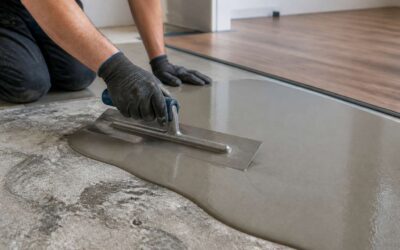
When it comes to concrete floor leveling repair, one of the most effective methods gaining traction is the use of self-leveling overlays. These innovative solutions offer a seamless way to restore uneven floors quickly and efficiently, without the need for extensive demolition or downtime. The secret lies in their ability to flow effortlessly into cracks and low spots, creating a perfectly smooth surface that’s both durable and aesthetically pleasing.
Self-leveling overlays are particularly advantageous in environments where precision and speed are paramount. They can be applied over existing concrete, filling in imperfections and providing a reliable base for subsequent flooring layers. This method not only saves time but also reduces costs associated with more invasive repairs. For optimal results, the overlay mixture is carefully calibrated to ensure even distribution and adhesion, making it a popular choice among professionals seeking top-tier concrete floor leveling repair.
For those considering this approach, understanding the process can be invaluable. Typically, the steps include surface preparation, applying primer, pouring the self-leveling compound, and smoothing it out with specialized tools. The entire process is designed to minimize disruption while delivering a superior, level finish. Whether restoring a garage, basement, or commercial space, self-leveling overlays stand out as a reliable and efficient solution in the landscape of concrete floor leveling repair.
Mudjacking / Slabjacking
In the shadowed corridors of structural decay, **methods of concrete floor leveling repair** often reveal themselves as the silent guardians against the slow encroachment of time. Among these, mudjacking, also known as slabjacking, emerges as a time-honored technique—an ancient ritual of restoring balance to fallen concrete. It involves drilling small holes into the sunken slab and injecting a slurry of cement, sand, and water beneath the surface. This process lifts the uneven slab back into its rightful place, like a ghostly hand guiding a fallen monument.
To better understand this method, consider the steps involved:
- Drilling precise holes in the affected area.
- Injecting the stabilizing mixture beneath the slab.
- Allowing the slurry to expand and lift the uneven surface.
- Sealing the holes to restore the surface’s integrity.
In the realm of concrete floor leveling repair, mudjacking offers a cost-effective and minimally invasive solution. It’s a technique that whispers of resilience, breathing new life into fractured foundations. Yet, beneath its practicality lies a certain dark poetry—the art of reversing decay and restoring a floor’s silent strength before it crumbles entirely.
Polyurethane Foam Leveling
Polyurethane foam leveling has revolutionized the way we approach concrete floor leveling repair. Unlike traditional methods, this innovative technique offers a swift, minimally invasive solution that restores the integrity of uneven floors with remarkable precision. The process involves injecting a high-density polyurethane foam beneath the slab, which rapidly expands to fill voids and lift the concrete back into position.
This method’s beauty lies in its ability to reach areas that are difficult to access with conventional techniques. Its lightweight nature means less stress on the existing foundation, reducing the risk of further damage. Additionally, polyurethane foam’s durability ensures that the repaired surface remains stable for years to come, making it a favorite among homeowners and contractors alike.
For those considering concrete floor leveling repair, understanding the benefits of polyurethane foam is essential. It’s a solution that combines efficiency with long-lasting results, breathing new life into tired, uneven floors. In choosing this method, you’re opting for a process that respects both your property and your budget—quick, reliable, and effective.
Traditional Jackhammer and Replacement
In the realm of concrete floor leveling repair, traditional methods once reigned supreme, but times have shifted. The old faithful—jackhammers and replacement—still hold their place in certain scenarios, especially when a floor has suffered severe damage or extensive deterioration. These methods involve breaking away the compromised concrete, then pouring new slabs to restore the surface. It’s a process that demands patience, precision, and a hefty dose of manual labor.
Using a jackhammer to remove uneven or crumbling sections can be an arduous task, often leaving behind a mess that requires meticulous clean-up. Once the damaged concrete is cleared, a fresh layer is poured, and the surface is leveled manually or with tools. While this approach guarantees a sturdy, long-lasting repair, it can be disruptive and costly—particularly for large areas. For some, this traditional technique is like trying to repair a tapestry by replacing individual threads, a meticulous but sometimes necessary process in the art of concrete floor leveling repair.
- Remove the damaged concrete with a jackhammer.
- Prepare the foundation by cleaning the area thoroughly.
- Pour and level new concrete slabs to match the surrounding surface.
Although these methods might seem brute-force, they are essential in cases where other repair techniques fall short. Each step is crucial to ensure the longevity and safety of the repaired floor, making traditional jackhammer and replacement techniques a reliable choice for certain applications of concrete floor leveling repair.
Choosing the Right Repair Method
Factors to Consider
Choosing the right repair method for a compromised concrete floor is akin to selecting a legendary weapon—each option must be carefully weighed to ensure it fits the specific battle at hand. When considering concrete floor leveling repair, one must account for the severity of the unevenness, the type of underlying soil, and the load-bearing requirements of the space.
Factors such as the long-term durability of the repair, environmental conditions, and budget constraints play a pivotal role. For instance, polyurethane foam leveling offers a swift, minimally invasive solution, while traditional mudjacking might suit larger, more stubborn imperfections.
Deciding on the optimal approach often involves evaluating these key elements, ensuring the repair not only restores the floor’s surface but also fortifies its structural integrity for years to come. In this realm of concrete repair, understanding these considerations transforms a simple fix into a legendary restoration—one that withstands the test of time and use.
Pros and Cons of Each Method
Choosing the right method for concrete floor leveling repair is a vital decision, akin to selecting the enchanted weapon that will restore balance to a fractured realm. Each approach carries its unique merits and pitfalls. Polyurethane foam leveling, for example, offers a rapid, minimally invasive solution—perfect for delicate or interior spaces where swift turnaround is essential. However, it may not be suitable for severely uneven or load-bearing floors.
Conversely, traditional mudjacking or slabjacking provides a robust fix, capable of lifting larger sections of concrete with long-lasting results. Yet, this method can be more disruptive and time-consuming. For stubborn, stubbornly uneven floors, a comprehensive approach involving jackhammer removal followed by replacement might be the only path to true stability.
In the realm of concrete floor leveling repair, understanding the specific needs of your space ensures you select an approach that triumphs over imperfections while safeguarding long-term durability.
Professional vs DIY Concrete Floor Repair
Advantages of Hiring a Professional
When it comes to concrete floor leveling repair, the allure of a DIY fix can be tempting—after all, who doesn’t want to save a few rand and feel like a handyman? However, the truth is that professional concrete floor leveling repair offers a level of precision and durability that DIY attempts often lack. Skilled technicians bring years of experience, the right tools, and an understanding of subtle soil shifts that cause uneven floors in the first place.
Choosing a professional isn’t just about avoiding frustration; it’s about ensuring the job is done right the first time. A pro can assess the underlying causes of unevenness, recommend the most effective leveling method, and execute the repair seamlessly—saving you time, money, and potential future headaches. For those who value longevity and a flawless finish, hiring a skilled contractor for concrete floor leveling repair is truly the wise choice.
DIY Repair Tips
When it comes to concrete floor leveling repair, the choice between DIY and professional intervention can mean the difference between a flawless finish and ongoing issues. While the idea of tackling the project yourself is tempting—after all, a few simple tools and some online tutorials seem straightforward—the reality is far more complex. DIY concrete floor leveling repair often falls short because it lacks the precision and expertise that seasoned professionals bring to the table.
For those considering a DIY approach, understanding the intricacies involved is crucial.
- Assessing the underlying soil stability
- Choosing the right leveling method
- Executing the repair with precision
These steps demand experience and specialized equipment to ensure longevity and safety. Without that, you risk recurring unevenness or even structural damage.
Skilled technicians, on the other hand, approach concrete floor leveling repair with a methodical eye—diagnosing causes, selecting the optimal technique, and executing with meticulous care. While DIY might seem cost-effective upfront, the potential for costly rework or future repairs often outweighs initial savings. A professional repair guarantees a level, durable surface—saving time, money, and frustration in the long run.
Warning Signs When Professional Help Is Necessary
When it comes to concrete floor leveling repair, recognizing the warning signs early can save you from costly headaches down the line. While a small crack or minor unevenness might seem manageable, these issues often hint at deeper structural problems that demand professional attention. Attempting DIY repair in such cases can be like patching a sinking ship—temporary relief, but not a lasting fix.
Signs that indicate professional help is necessary include persistent cracking, significant slab movement, or uneven surfaces that interfere with daily use. For example, if your floor has developed a noticeable slope or if cracks are widening, these are red flags that the underlying issue requires expert diagnosis and intervention. Relying solely on DIY methods such as self-leveling overlays or foam injections without proper assessment can lead to recurring problems.
In some cases, the complexity of the repair process calls for an ordered approach instead of haphazard fixes. Knowing when to call in the professionals ensures that your concrete floor leveling repair is executed with precision, guaranteeing a durable, safe, and level surface. After all, a well-repaired floor isn’t just about aesthetics; it’s about maintaining the integrity of your entire structure.
Steps Involved in Concrete Floor Leveling Repair
Assessment and Inspection
A comprehensive assessment and inspection form the foundation of effective concrete floor leveling repair. It’s not merely about identifying visible cracks or uneven surfaces but understanding the underlying causes that contribute to a compromised foundation. During this phase, professionals meticulously evaluate the extent of the damage, taking into account factors such as soil stability, moisture levels, and structural integrity.
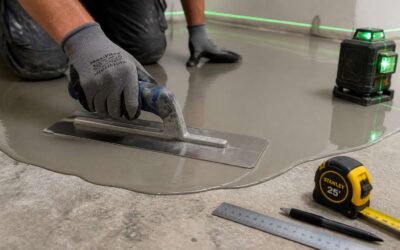
A crucial step involves detailed measurements, often using laser levels or transit tools, to pinpoint the precise areas requiring intervention. This careful analysis ensures that the chosen repair method—be it mudjacking, polyurethane foam leveling, or traditional slab replacement—is both appropriate and sustainable.
In some cases, a straightforward visual inspection might reveal the most pressing issues, but a thorough assessment often uncovers hidden problems that could otherwise lead to future failures. The goal is to develop a tailored plan that aligns with the specific needs of the floor, ensuring longevity and stability. When professionals conduct this assessment with precision, the resulting concrete floor leveling repair becomes a resilient solution rather than a temporary fix.
Preparing the Site
Preparing the site for concrete floor leveling repair is a crucial step in ensuring the longevity and stability of the repaired surface. It begins with clearing the area of any debris, furniture, or loose materials that could obstruct the process. This meticulous clearing allows for unobstructed access, enabling professionals to work with precision and care.
Next, the surface must be thoroughly cleaned to remove dust, grease, or any substances that could compromise adhesion. Sometimes, it involves power washing or using specialized cleaning agents. Once the surface is pristine, a detailed assessment of the surrounding environment follows, noting moisture levels and soil conditions that could influence the repair’s success.
Only after these preparatory steps can the actual concrete floor leveling repair commence—an act that transforms a fractured, uneven domain into a steadfast foundation. This stage underscores the importance of meticulous site preparation, a silent guardian against future failure and instability in the realm of concrete repair.
Choosing the Appropriate Repair Technique
Choosing the appropriate technique for concrete floor leveling repair is not a decision to be taken lightly. Each method has its own strengths and limitations, and selecting the right one can mean the difference between a lasting fix and repeated failures.
The process begins with a careful assessment of the extent of the unevenness, the underlying cause, and the environment. For minor imperfections, self-leveling overlays might suffice, offering a quick and seamless solution. For larger, more stubborn cracks or dips, mudjacking or slabjacking can be employed to lift and stabilize the surface effectively.
In some cases, polyurethane foam leveling provides a lightweight, minimally invasive option, especially in areas where traditional methods would be disruptive. When dealing with severely compromised slabs, traditional jackhammer removal followed by replacement may be unavoidable.
Ultimately, understanding the unique characteristics of your floor, along with the pros and cons of each method, ensures the chosen repair technique will deliver durable results. This strategic approach is essential for achieving a resilient, level surface through expert concrete floor leveling repair.
Performing the Repair
The process of concrete floor leveling repair is both an art and a science—a delicate dance between assessment, precision, and execution. It begins with a meticulous inspection to identify the root causes of unevenness, whether they stem from soil movement, poor initial construction, or ongoing wear and tear. Once the diagnosis is clear, a clear plan of action emerges, tailored to the specific needs of the slab.
Preparation is crucial. Clearing the area, removing debris, and ensuring proper access set the stage for a successful repair. Depending on the chosen technique, this might involve drilling small holes for injection or creating access points for lifting. The next step involves applying the selected method—be it self-leveling overlays, mudjacking, or polyurethane foam.
For example, with mudjacking, a mixture of cement, sand, and water is pumped beneath the slab to lift and stabilize it. Each step requires careful calibration to avoid overcorrection or damage. The process often concludes with a thorough curing period, during which the surface must be protected from disturbance, allowing the repair to solidify into a durable, level surface.
Understanding each phase of concrete floor leveling repair deepens confidence in the process. It’s a journey that demands patience and precision—qualities that ultimately restore stability and safety to a compromised slab, ensuring longevity and peace of mind for years to come.
Finishing and Curing
Once the repair process is underway, the final steps of finishing and curing are paramount in transforming a fractured slab into a smooth, resilient surface. After the chosen method—whether mudjacking, polyurethane foam leveling, or self-leveling overlays—is applied, patience becomes the silent ally of the repair technician. The surface must be allowed to cure undisturbed, often for several hours or even days, depending on the material used. This curing period is critical; it ensures that the concrete attains maximum strength and durability, resisting future wear and tear.
During this phase, the area is carefully monitored to prevent any premature traffic or disturbance that could compromise the integrity of the repair. Proper curing not only stabilizes the newly leveled surface but also enhances its longevity, ensuring that the slab remains perfectly even for years to come. The meticulous attention paid during finishing and curing elevates the entire concrete floor leveling repair, safeguarding against future shifts and unevenness, thus preserving the safety and beauty of your space.
Cost of Concrete Floor Leveling Repair
Factors Affecting Cost
The cost of concrete floor leveling repair can vary as wildly as the African sunset—sometimes a gentle breeze, other times a fierce storm. Several factors influence the final price, making it essential to understand what drives the expenses up or down. The extent of the damage, for instance, plays a pivotal role; a minor unevenness requires less effort and materials than a severely cracked or sunken slab.
Additionally, the choice of repair method impacts costs significantly. Traditional jackhammering and replacement tend to be more expensive than innovative solutions like polyurethane foam leveling. Local labor rates, accessibility of the site, and the size of the affected area further shape the budget.
- Size of the affected area
- Severity of unevenness
- Type of repair method used
- Site accessibility
Understanding these variables helps homeowners and business owners alike prepare for the investment needed to restore their floors to a level of perfection that feels almost magical underfoot.
Average Cost Estimates
The cost of concrete floor leveling repair can be as unpredictable as a desert storm—sometimes modest, other times a tempest of expenses. On average, homeowners in South Africa might expect to spend between R3,000 and R15,000 for small to medium repairs, depending on the severity and scope of the damage. Larger projects or more complex repairs can push costs higher, especially if extensive stabilization or replacement is necessary.
Several factors influence this financial landscape. The size of the affected area and the severity of unevenness are primary drivers, with larger or more severe problems demanding more materials and labor. The choice of repair method also plays a pivotal role; innovative techniques like polyurethane foam leveling tend to be more cost-effective than traditional jackhammer and replacement methods.
- Extent of damage
- Type of repair method
- Site accessibility
Understanding these cost variables helps both homeowners and business owners in South Africa better navigate the investment needed to restore their floors to a flawless, level surface—transforming a simple repair into a remarkable feat of craftsmanship.
Cost-Saving Tips
When it comes to concrete floor leveling repair, savvy homeowners understand that cost-saving strategies are essential to prevent expenses from spiraling out of control. With the unpredictable nature of repair costs, adopting a thoughtful approach can make a significant difference. One effective method is to explore innovative techniques like polyurethane foam leveling, which often provides a more budget-friendly alternative to traditional jackhammer and replacement methods. This approach not only minimizes labor costs but also reduces the need for extensive site disruption, allowing for a quicker turnaround.
Another key to managing expenses lies in thorough site assessment. Identifying the extent of damage early can prevent unnecessary expenditures on overly aggressive repairs. Moreover, prioritizing repairs based on severity—addressing the most critical issues first—can help control costs while maintaining the structural integrity of the floor. For those considering DIY options, understanding the scope of the project and the specific requirements of each repair method can lead to smarter investments and fewer surprises along the way.
Ultimately, embracing a strategic mindset—paired with professional guidance—ensures that your concrete floor leveling repair remains cost-effective without compromising quality. Remember, a well-executed repair not only restores the floor’s evenness but also prolongs its lifespan, preserving both value and safety for years to come.
Maintaining Your Repaired Concrete Floors
Regular Inspection and Maintenance
Maintaining your concrete floor after a repair isn’t just about aesthetics; it’s about ensuring longevity and safety. Regular inspection can catch minor issues before they become costly problems. Over time, small cracks or uneven spots may develop, compromising the integrity of the floor and potentially leading to further damage. By adopting a routine maintenance schedule, you extend the lifespan of your concrete floor and avoid unnecessary replacement costs.
In South Africa, where the climate can fluctuate unexpectedly, concrete floor leveling repair becomes even more critical. Moisture and temperature changes can cause concrete to shift or crack, making periodic checks essential. An easy way to stay proactive is to look out for signs like new cracks, water pooling, or uneven surfaces. Addressing these early helps maintain a safe, level surface, and prevents the need for more extensive repairs down the line. Remember, investing in regular inspection and maintenance is a small step that saves money and hassle in the long run!
Preventative Measures
Maintaining your repaired concrete floors is akin to tending a delicate garden—neglect can turn beauty into chaos swiftly. In South Africa’s capricious climate, where sudden temperature swings and moisture surges are common, concrete floor leveling repair is only the beginning. The real challenge lies in preserving that level surface through vigilant preventative measures.
Regular inspections are your first line of defense. Look out for emerging cracks, water pooling, or slight unevenness—these subtle signs often whisper of underlying issues before they escalate. Incorporating a routine maintenance schedule not only prolongs the lifespan of your concrete floor but also avoids the exorbitant costs associated with major repairs. Consider these simple yet effective steps:
- Sealant application to prevent moisture ingress
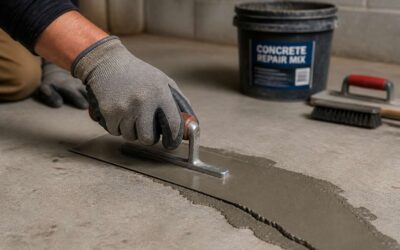
- Promptly addressing minor cracks with suitable patching techniques
- Ensuring proper drainage around the floor’s perimeter
By adopting these preventative measures, you turn a routine check into a proactive shield against future deterioration. Remember, a well-maintained surface not only looks impeccable but also ensures safety and durability—essentials for any thriving space in South Africa’s dynamic environment.
When to Seek Repairs Again
Maintaining your repaired concrete floors is an ongoing journey—one that requires vigilance and care. Over time, even the most expertly leveled surfaces can show signs of wear, especially in South Africa’s unpredictable climate, where temperature fluctuations and moisture levels can accelerate deterioration. Recognizing when to seek further concrete floor leveling repair is crucial to preserving both safety and aesthetic appeal.
Look out for subtle signs such as new cracks, uneven patches, or water pooling that wasn’t there before. These indicators often point to underlying issues that demand prompt attention. Regular inspections can serve as your first line of defense, helping catch problems early before they expand into costly repairs. If you notice any of these warning signs, consulting a professional for a thorough assessment is the wisest choice. Remember, addressing minor issues swiftly not only prolongs the lifespan of your concrete floor but also maintains its resilience against South Africa’s ever-changing environment.
Choosing a Concrete Floor Leveling Contractor
What to Look for in a Contractor
Choosing a concrete floor leveling repair contractor is a decision that can significantly impact the longevity and safety of your space. In South Africa, where homes and commercial buildings often face shifting foundations and fluctuating temperatures, selecting a knowledgeable and trustworthy professional is paramount. Experience and reputation speak volumes—look for contractors who have a proven track record in concrete floor leveling repair, backed by satisfied clients and detailed project portfolios.
Beyond reputation, it’s essential to evaluate their expertise with the specific techniques suited for your situation. Whether it’s mudjacking, polyurethane foam leveling, or traditional methods, the right contractor should be well-versed in each process, capable of recommending the most effective solution. Additionally, ensure they are licensed and insured—this not only safeguards your investment but also guarantees adherence to local regulations and safety standards.
When vetting potential contractors, consider asking for references or reviews from previous clients, and inquire about their familiarity with the unique soil and environmental conditions in South Africa. A thorough assessment and transparent communication are the hallmarks of a professional contractor—traits that ensure your concrete floor leveling repair project is executed with precision, efficiency, and lasting results.
Questions to Ask During Consultation
When selecting a contractor for your concrete floor leveling repair, asking the right questions during the consultation can make all the difference. A seasoned professional will not only listen carefully but also provide transparent answers that reveal their expertise and integrity. It’s essential to gauge their familiarity with the various techniques—be it mudjacking, polyurethane foam leveling, or traditional methods—and whether they can recommend the most suitable solution for your specific situation.
To ensure you’re making an informed choice, consider asking about their experience with similar projects in South Africa’s unique soil conditions. A reputable contractor should be willing to share references or reviews from previous clients and demonstrate a clear understanding of local environmental factors that influence concrete floor leveling repair. Their ability to communicate effectively and assess your needs thoroughly is a strong indicator of professionalism and future success.
Here are some questions to guide your consultation:
- What experience do you have with concrete floor leveling repair in South Africa?
- Can you explain the different repair methods and recommend the best one for my floor?
- Are you licensed and insured to perform this type of work?
- Could you provide references or examples of past projects?
- How do you handle unforeseen issues during the repair process?
Asking these questions ensures you’re partnering with a contractor who values quality, transparency, and lasting results. In a landscape where foundation shifts and temperature fluctuations threaten to undermine your flooring, choosing the right expert can be the difference between a quick fix and a durable, safe solution.
Reading Reviews and Testimonials
When selecting a contractor for concrete floor leveling repair, reading reviews and testimonials can illuminate the path towards a reliable choice. In South Africa’s diverse landscape, local insights matter—reviews from previous clients reveal how well a contractor navigates the country’s unique soil conditions and climate challenges. Genuine testimonials often highlight aspects such as punctuality, craftsmanship, and transparency, which are essential for a durable and safe repair.
Moreover, reviews can provide tangible evidence of a contractor’s experience with specific techniques—whether it’s mudjacking, polyurethane foam leveling, or traditional methods. For instance, a contractor with positive feedback on handling unforeseen complications during concrete floor leveling repair demonstrates both expertise and commitment to quality. When browsing feedback, look for consistency and detailed accounts that speak to the contractor’s professionalism and ability to deliver lasting results in South Africa’s diverse environments.
By prioritizing reading reviews and testimonials, you gain a nuanced understanding of a contractor’s reputation. This process ensures you partner with someone who not only possesses technical skill but also values transparency and customer satisfaction—key ingredients for a successful concrete floor leveling repair project that stands the test of time!
FAQs About Concrete Floor Leveling Repair
How Long Does a Repair Last?
When it comes to concrete floor leveling repair, one question that often pops up is: how long can I expect my fix to last? The truth is, a well-executed repair can stand the test of time—sometimes for decades. However, its longevity depends on several factors, including the method chosen, the quality of materials, and the level of ongoing maintenance. Typically, professional concrete floor leveling repair solutions like mudjacking or polyurethane foam can last anywhere from 5 to 10 years, but under ideal conditions, that span can extend even further.
It’s worth noting that the durability of your repair is also influenced by the environment and usage. For instance, a high-traffic garage with heavy machinery may see a shorter lifespan for the repair than a low-traffic basement. Regular inspections and timely touch-ups can help maintain the integrity of your concrete floor, ensuring your investment remains solid. Ultimately, choosing a reputable contractor and proper repair method is key to maximizing the lifespan of your concrete floor leveling repair—and keeping your floors level and safe for years to come!
Is Floor Leveling Repair Worth the Investment?
Is concrete floor leveling repair genuinely worth the investment? The answer hinges on your priorities—safety, longevity, and the overall aesthetic appeal of your space. A properly executed repair can extend your floor’s lifespan for decades, saving you money in the long run and avoiding costly replacements. When done right, it restores not just the levelness but also the structural integrity of your concrete surface, making it a smart choice for homeowners and business owners alike.
Of course, the durability of your concrete floor leveling repair depends on various factors—such as the repair method used and environmental conditions. For example, polyurethane foam leveling might be budget-friendly and quick, but in high-traffic areas, a more robust solution like mudjacking may be preferable. The key is to weigh these options carefully and choose a technique that aligns with your specific needs.
Ultimately, investing in professional concrete floor leveling repair often pays dividends. Not only does it ensure your floors remain level and safe, but it also boosts property value and visual appeal. When considering whether to proceed, remember this: a level floor isn’t just about looks; it’s about peace of mind and avoiding future headaches. So, yes, in most cases, the answer is a resounding yes—floor leveling repair is worth every penny!
Can I Walk on the Floor Immediately After Repair?
Many homeowners and business owners ask whether they can walk on their floors immediately after a concrete floor leveling repair. The answer depends largely on the repair method used and the curing process involved. When done correctly, some quick-setting solutions allow you to step on the surface within hours, but it’s essential to follow the contractor’s guidance to avoid compromising the repair’s integrity.
For example, polyurethane foam leveling typically cures rapidly, enabling light foot traffic shortly after application. However, for more robust methods like mudjacking or traditional replacement, a longer wait—often 24 to 48 hours—is advisable to ensure proper curing and stability.
In some cases, a professional assessment is necessary to determine whether your concrete floor leveling repair has fully set. Remember, rushing back onto a freshly repaired floor can lead to cracks or unevenness, defeating the purpose of a quality repair. Always prioritize safety and follow expert recommendations for a durable, long-lasting result!
Are There Eco-Friendly Repair Options?
Eco-friendly options for concrete floor leveling repair are gaining momentum as environmental consciousness becomes more mainstream. Many homeowners and business owners in South Africa seek solutions that minimize ecological impact without sacrificing durability. Biodegradable and low-VOC materials are now available, reducing harmful emissions during the repair process. These environmentally conscious alternatives often utilize natural aggregates or recycled materials, making them a sustainable choice for those committed to green building practices.
One innovative approach involves using plant-based polymers that serve as binders, offering a less toxic and more sustainable repair method. Additionally, some companies now offer concrete overlays made from recycled content, which can effectively level uneven floors while reducing landfill waste. For those considering eco-friendly options, it’s essential to consult with a professional who understands both the technical requirements of concrete floor leveling repair and the importance of environmentally responsible practices.
In South Africa, where environmental regulations are tightening and sustainability becomes a priority, choosing eco-friendly repair options not only benefits the planet but can also enhance your property’s value. When evaluating methods, ask your contractor about the availability of green materials and their experience with sustainable concrete floor leveling repair. This way, you can ensure your repair work aligns with your eco-conscious goals without compromising quality or longevity.

0 Comments