Understanding Concrete Floor Heat Insulation
The Basics of Floor Heating Systems – Overview of how heated floors work and their benefits
Imagine stepping onto a floor that radiates warmth from beneath, transforming a cold, uninviting space into a cozy sanctuary—this is the promise of modern floor heating systems. At the heart of this innovation lies the concept of concrete floor heat insulation, a crucial element that ensures efficiency and comfort. When properly insulated, heated floors can dramatically reduce energy loss, making them a sustainable choice for homeowners and businesses alike.
Understanding how these systems work reveals an intricate dance of technology and design. Heated floors typically use electrical or hydronic systems, where warm water or electric elements generate consistent heat. This warmth is then transferred through concrete slabs, which act as a thermal mass, dispersing heat evenly across the surface. The key to maximizing performance? Effective concrete floor heat insulation that prevents heat from escaping downward, directing it upward where it’s needed most.
By integrating high-quality concrete floor heat insulation into the installation process, you unlock a host of benefits: lower energy costs, improved indoor comfort, and a longer lifespan for the heating system. Here’s how the process unfolds:
- Preparation of the subfloor, ensuring a flat, stable surface.
- Placement of insulation layers designed specifically for concrete floor heat insulation, which serve as a barrier against thermal loss.
- Installation of heating elements, whether electric cables or hydronic pipes, within the insulated layer.
- Pouring concrete over the setup, creating a durable, heat-conductive surface ready to provide consistent warmth.
In essence, understanding the basics of floor heating systems illuminates the importance of meticulous insulation—without it, even the most advanced technology can fall short. The secret lies beneath the surface, where concrete floor heat insulation plays a silent yet pivotal role in delivering warmth that feels both natural and efficient.
Importance of Insulation in Floor Heating – Role of insulation in improving efficiency and reducing energy costs
In the realm of modern interior comfort, concrete floor heat insulation stands as a silent hero, quietly transforming cold, uninviting spaces into warm, inviting sanctuaries. It’s easy to overlook this crucial element, yet without proper insulation, even the most advanced floor heating systems can falter in delivering optimal warmth. The importance of concrete floor heat insulation cannot be overstated—it’s the linchpin that ensures efficiency and sustainability.
Effective insulation acts as a thermal barrier, preventing heat from escaping downward and directing it upward into the living space. This not only enhances comfort but also significantly reduces energy costs—a vital consideration for South African homeowners seeking sustainable solutions. When properly installed, concrete floor heat insulation maximizes the performance of electric or hydronic systems, ensuring consistent warmth and longevity. As a result, the investment in quality insulation yields long-term savings and a more eco-friendly footprint.
To achieve the best results, consider the following key components of concrete floor heat insulation:
- High-quality insulating layers specifically designed for concrete slabs
- Proper placement beneath the heating elements to prevent thermal bridging
- Seamless integration with the subfloor preparation process to ensure durability
In essence, concrete floor heat insulation is not just an add-on; it’s the foundation of an efficient, cost-effective heating solution that elevates indoor comfort to new heights. When overlooked, heat loss becomes inevitable—making insulation the unsung hero in the quest for cozy, energy-conscious living spaces. This approach is especially crucial in South Africa, where balancing comfort with energy efficiency is more relevant than ever.
Types of Insulation Materials Used – Common insulation options such as foam boards, spray foam, and rigid insulation
In the intricate dance of warmth and efficiency, the choice of insulation material for concrete floor heat insulation can make all the difference. Among the myriad options, foam boards stand out as a versatile and cost-effective solution, offering excellent thermal resistance while fitting seamlessly beneath concrete slabs. Their lightweight nature belies their insulating prowess, creating an effective barrier that curtails heat loss and ensures the radiant energy remains within the living space.
Spray foam insulation, on the other hand, provides an exceptional seal—filling every crevice and crack with a dense, expanding foam that adheres closely to surfaces. This type of insulation is renowned for its superior air-sealing properties, making it ideal for creating a comprehensive thermal envelope in South African homes seeking sustainable, energy-efficient solutions. Its durability ensures long-term performance, even under the weight of concrete and fluctuating environmental conditions.
Rigid insulation panels, often made from expanded polystyrene (EPS) or extruded polystyrene (XPS), are another cornerstone in the realm of concrete floor heat insulation. They are especially favored for their high compressive strength and low thermal conductivity. When integrated properly, rigid insulation not only enhances efficiency but also fortifies the foundation against moisture and thermal bridging—elements crucial in optimizing heated concrete floors.
Understanding these options—whether it’s the adaptability of foam boards, the seamless sealing of spray foam, or the robustness of rigid panels—empowers homeowners and builders alike to craft a resilient thermal barrier. Each material, meticulously selected, contributes to a cohesive system that elevates the performance of concrete floor heat insulation, ensuring warmth that endures through South Africa’s diverse climate.
Benefits of Proper Insulation for Concrete Floors
Energy Efficiency and Cost Savings – How insulation reduces energy consumption
In a world increasingly driven by the urgency of sustainability, the significance of concrete floor heat insulation cannot be overstated. Proper insulation acts as a silent guardian, meticulously reducing heat loss and ensuring that every watt of energy is used with purpose. This isn’t merely about comfort; it’s a moral stance—an acknowledgment that our choices ripple outward, shaping the environment and our future.
When concrete floor heat insulation is optimized, the result is a profound decrease in energy consumption, translating directly into cost savings. It’s a quiet revolution, where the warmth we cherish becomes more efficient and less wasteful. By trapping heat within the living space, insulation minimizes the need for continuous heating, allowing homes and businesses to operate with a gentler ecological footprint.
Furthermore, the benefits extend beyond economics. Proper insulation enhances the longevity of the heating system, reduces carbon emissions, and elevates the overall comfort of indoor environments. It’s an investment in resilience—an embrace of smarter, more conscious living that respects both human needs and planetary boundaries.
Enhanced Comfort Levels – Maintaining consistent indoor temperatures
Proper concrete floor heat insulation transforms cold, hard surfaces into warm, inviting spaces. When insulation is correctly installed, you’ll notice a marked difference in indoor comfort. The floor remains evenly heated, eliminating cold spots and drafts that can make a room uncomfortable. This consistency not only boosts comfort but also enhances the overall ambiance of your home or business.
The key is in the detail. Effective concrete floor heat insulation traps heat beneath the surface, preventing it from escaping into the ground or walls. This means less energy is needed to maintain a cozy temperature, reducing your energy bills and ecological footprint.
In South Africa, where energy efficiency is increasingly vital, investing in quality concrete floor heat insulation is a smart choice. It ensures a more comfortable environment and supports sustainable living. Comfort becomes effortless—warmth you can rely on, all year round!
Prevention of Heat Loss and Moisture Problems – Protection against dampness and heat escape
In the battle against the relentless chill of winter, proper concrete floor heat insulation emerges as the unsung hero, quietly thwarting the twin villains of heat loss and moisture infiltration. When insulation is meticulously installed, it acts as an invisible barrier, preventing warmth from slipping away into the earth below—an especially crucial consideration in South Africa’s fluctuating climate.
Not only does this safeguarding preserve indoor warmth, but it also combats dampness that can spawn mold and compromise structural integrity. Moisture problems often lurk unseen, quietly gnawing at the foundation, but with effective concrete floor heat insulation, such issues are kept at bay. The insulation’s role becomes even more vital when you consider that unshielded concrete can act as a conduit for both heat escape and unwanted humidity.
For those who appreciate the finer details of home comfort and sustainability, here are the key benefits of investing in quality concrete floor heat insulation:
- Prevents heat loss, ensuring your space remains warm and inviting.
- Protects against moisture problems, avoiding dampness and associated health hazards.
- Enhances energy efficiency by reducing the need for excessive heating.
In South Africa, where energy conservation is more than a trend, concrete floor heat insulation is a prudent investment. It’s the subtle art of keeping warmth in and dampness out—an elegant solution to a common, often overlooked problem. Truly, it’s the difference between a space that merely exists and one that truly feels like home.
Choosing the Right Insulation Material for Concrete Floors
Foam Board Insulation – Pros and cons, suitable applications
Choosing the right insulation material for concrete floor heat insulation is akin to selecting the perfect pair of shoes—comfort, durability, and practicality all rolled into one. Foam board insulation has become a popular choice, thanks to its lightweight nature and impressive insulating properties. But is it all sunshine and rainbows? Not quite. While foam board offers excellent thermal resistance, it can be susceptible to moisture absorption if not properly sealed, which undermines its effectiveness in the damp South African climate.
On the flip side, foam board insulation’s pros include quick installation and high R-values, making it a go-to for those seeking energy efficiency without breaking the bank. However, its cons involve potential fragility and the need for careful handling during installation. For applications involving high moisture exposure, consider combining foam board with vapor barriers or opting for more robust rigid insulation options. Ultimately, selecting the right material hinges on understanding your specific needs and environmental conditions, ensuring your concrete floor heat insulation provides warmth and efficiency long into the future.
Spray Foam Insulation – Advantages for sealing and insulation
In the shadowed corridors of modern construction, spray foam insulation emerges as a silent guardian for concrete floor heat insulation. Its uncanny ability to conform seamlessly to every crevice and crack transforms the space into a fortress against the creeping chill. Unlike traditional insulators, spray foam expands upon application, sealing gaps and creating an airtight barrier that traps heat with relentless efficiency.
What truly sets spray foam apart in the realm of concrete floor heat insulation is its dual role: it insulates and seals in one breath, thwarting moisture infiltration and heat loss. This makes it especially invaluable in the damp South African climate, where moisture can seep through even the smallest fissures, sabotaging your warmth. When applied expertly, spray foam forms a dense, resilient layer that stands against the relentless march of time and elements.
- Superior thermal resistance, ensuring your floors remain warm and inviting.
- Acts as an effective vapor barrier, preventing dampness and reducing mold risk.
- Quick to install, with minimal disruption to your building timeline.
For those seeking to elevate their concrete floor heat insulation, spray foam offers a symphony of advantages—an invisible shield guarding against the darkness of cold and moisture, whispering promises of enduring comfort and efficiency.
Rigid Insulation – Different types and installation considerations
Choosing the right insulation material for concrete floors is a decision that can make or break the efficiency of your floor heating system. Rigid insulation stands out as a popular choice among South African homeowners and builders for its durability and thermal performance. This type of insulation is available in various forms, each suited to different construction needs and budgets. Understanding the nuances of these materials helps in crafting a resilient barrier against the cold, ensuring your indoor spaces stay warm and cozy year-round.
Among the most common options for concrete floor heat insulation are expanded polystyrene (EPS), extruded polystyrene (XPS), and polyisocyanurate boards. Each has its unique advantages and installation considerations. For instance, EPS is lightweight and cost-effective but offers slightly lower thermal resistance, while XPS provides superior moisture resistance and strength. Polyisocyanurate, on the other hand, delivers exceptional insulating properties but comes at a higher price point.
Installation of rigid insulation typically involves precise placement beneath the concrete slab, with careful attention to sealing edges to prevent heat leakage. Properly installed rigid insulation acts as an effective thermal barrier, reducing heat loss and improving the overall efficiency of the concrete floor heat insulation system. When selecting insulation, consider factors like moisture exposure, compressive strength, and compatibility with other building materials to ensure long-lasting performance.
Reflective and Radiant Barriers – When and where to use reflective insulation
In the shadowed corners of modern construction, where warmth is often sacrificed to the cold austerity of concrete, reflective and radiant barriers emerge as silent guardians. These materials, cloaked in shimmering metallic surfaces, serve a singular purpose: to redirect radiant heat back into the living space, rather than permitting it to escape through the unforgiving concrete floor heat insulation. When the chill threatens to seep upward, deploying reflective insulation beneath the slab can transform a frigid domain into a haven of warmth.
Reflective barriers are particularly advantageous in environments where moisture is a lurking threat or where traditional insulation might falter. They work by reflecting thermal radiation, making them an ideal complement to rigid insulation in layered thermal defenses. When and where to use this technology hinges on the specific climate and construction context—South African homes with their varying microclimates can greatly benefit from this approach, especially in areas prone to dampness or high humidity.
- In heated floors where radiant heat is paramount, reflective barriers bolster the efficacy of concrete floor heat insulation, ensuring that precious warmth doesn’t dissipate into the void beneath.
- In spaces vulnerable to moisture ingress, such as basements or ground floors, radiant barriers act as a stalwart shield against dampness, preserving the integrity of the insulation.
Thus, the choice of reflective and radiant barriers becomes a strategic move—one that weaves together science and shadow, forging an unyielding barrier against the relentless cold, and elevating the art of concrete floor heat insulation into a realm of dark elegance and primal comfort.
Installation Techniques for Concrete Floor Heat Insulation
Preparation of the Subfloor – Ensuring proper surface and moisture control
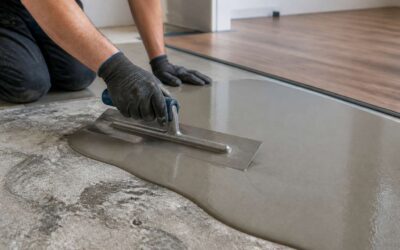
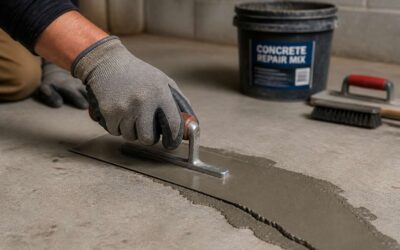
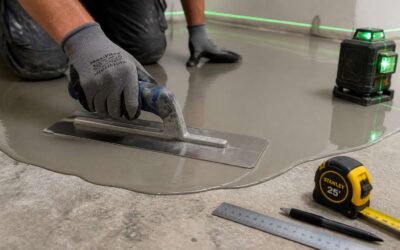
Preparing the subfloor is a critical step in ensuring optimal concrete floor heat insulation. A meticulously smooth and dry surface not only enhances adhesion but also prevents future issues like cracking or uneven heat distribution. In South Africa’s diverse climate, controlling moisture levels during installation becomes paramount, as excess dampness can undermine the efficiency of your heated floors. Proper surface preparation involves thorough cleaning, leveling, and moisture testing to create a stable foundation for the insulation layers that follow.
To further bolster the effectiveness of your concrete floor heat insulation, consider implementing a vapor barrier beneath the insulation material. This barrier acts as a shield against ground moisture, ensuring the thermal properties of your insulation are preserved and heat loss minimized. When preparing the subfloor, pay particular attention to the compatibility of insulation materials with the concrete, which can vary depending on whether rigid insulation or foam boards are used.
- Ensure the subfloor is free of debris, dust, and any loose particles.
- Check for moisture content and address any dampness issues prior to installation.
- Level the surface to prevent voids that could compromise insulation performance.
- Install a vapor barrier if required, especially in humid or damp environments.
By meticulously preparing the subfloor, you set the stage for efficient, long-lasting concrete floor heat insulation—transforming cold, uninviting spaces into warm sanctuaries of comfort and energy efficiency.
Placement of Insulation Layers – Best practices for positioning beneath the concrete slab
In the shadowed depths of construction, the placement of insulation layers beneath a concrete slab becomes an art of precision and intent. When installing concrete floor heat insulation, the goal is to forge a barrier that guards against the relentless march of ground moisture while trapping the warmth within. The positioning must be meticulous, ensuring the insulation is directly beneath the slab, yet shielded by a vapor barrier where dampness lurks. This layer acts as a silent sentinel, preserving the thermal integrity and thwarting heat loss.
Best practices dictate that the insulation be laid flat and uniformly, avoiding voids or gaps that could become weak spots in your thermal fortress. In South Africa’s diverse climate, where humidity can fluctuate like a fickle specter, careful attention to the placement of foam boards or rigid insulation is crucial. For optimal performance, some experts recommend securing the insulation with adhesive or mechanical fasteners, ensuring it remains undisturbed during concrete pouring.
Further, consider the layering sequence as a sacred ritual—insulation must sit directly on a clean, level subfloor, with a vapor barrier over any ground moisture that might threaten its efficacy. This layered approach not only enhances energy efficiency but also guarantees a resilient, warm surface that endures the test of time and temperature. The placement of insulation layers in concrete floor heat insulation is a delicate dance—one that promises warmth and comfort amid the shadows of a cold world.
Integration with Heating Systems – Ensuring compatibility and optimal performance
Integrating concrete floor heat insulation with a heating system is akin to conducting a symphony where harmony ensures warmth and efficiency. Ensuring compatibility between the insulation and heating elements is paramount; otherwise, you risk a discordant performance that wastes energy and leaves you shivering. The key lies in selecting insulation materials that can withstand the heat output without degrading or compromising their insulating properties.
For optimal integration, consider the installation sequence carefully, aligning the placement of foam board or rigid insulation with the routing of heating cables or pipes.
- Secure the insulation firmly to prevent displacement during concrete pouring
- Ensure the heating elements are laid with uniform spacing for even heat distribution
This meticulous approach guarantees that the insulation acts as a thermal barrier, directing heat upward into the living space rather than down into the ground or sideways into unheated areas.
In South Africa’s temperate climate, where fluctuations in temperature can be as unpredictable as a summer thunderstorm, compatibility becomes even more critical. Properly integrated concrete floor heat insulation not only enhances energy efficiency but also preserves the longevity of the heating system, preventing issues such as uneven heating or moisture accumulation. The delicate dance between insulation and heating elements demands precision—an art form that, when mastered, culminates in a resilient, warm floor that whispers comfort with every step.
Maintenance and Longevity of Insulated Concrete Floors
Regular Inspection and Upkeep – Identifying and addressing common issues
Concrete floor heat insulation isn’t a set-it-and-forget-it solution. Over time, even the most robust systems require vigilant inspection to keep them at peak performance. Small cracks, moisture buildup, or shifting insulation layers can silently undermine efficiency—sometimes before you even notice a difference in comfort or energy bills.
Regular upkeep is essential. A straightforward visual inspection can reveal potential issues such as damp patches or insulation displacement. Addressing these early prevents costly repairs down the line and prolongs the lifespan of your concrete floor heat insulation system. For instance, checking for gaps or compression in foam board insulation or signs of moisture intrusion in rigid insulation ensures the system remains airtight and effective.
In areas prone to moisture or temperature fluctuations, implementing a routine maintenance schedule—perhaps bi-annual—can make all the difference. Remember, the longevity of your heated floor relies heavily on consistent, proactive care. When issues do arise, prompt intervention not only restores the system’s integrity but also sustains the comfort and energy efficiency you depend on in your South African property.
Longevity of Insulation Materials – Expected lifespan and replacement indicators
Concrete floor heat insulation is a marvel of modern comfort, but its true strength lies in longevity. The lifespan of insulation materials varies depending on their type and the environment they face. Typically, foam board insulation can serve reliably for 25 to 30 years, provided it’s protected from moisture and physical damage. Rigid insulation and spray foam, however, often boast similar durability when properly installed, making them excellent choices for South African climates with fluctuating temperatures.
Indicators that your insulation may need replacing include visible cracks, compression, or signs of moisture intrusion. Even minor damage can significantly impair energy efficiency and cause heat loss. Regular inspections help catch these issues early, ensuring your concrete floor heat insulation continues to perform optimally. In high-humidity areas, such as coastal regions, moisture buildup is a common concern that can accelerate deterioration if left unchecked.
- Keep an eye on any deformation or gaps in the insulation layers.
- Check for damp patches or mold growth in the surrounding areas.
- Monitor energy bills for unusual increases that could signal insulation failure.
When these indicators appear, prompt replacement of the compromised insulation layer can restore the system’s integrity. This proactive approach not only extends the lifespan of your insulated concrete floor but also preserves the comfort and energy savings that make heated floors a worthwhile investment. With proper care, your concrete floor heat insulation can continue to deliver warmth and efficiency for decades, weathering South Africa’s diverse climate with resilience and grace.
Troubleshooting Common Problems – Addressing insulation degradation and moisture ingress
Maintaining the integrity of concrete floor heat insulation is essential for ensuring long-lasting warmth and energy efficiency. Over time, even the most robust insulation layers can experience degradation due to environmental factors or improper installation. Moisture ingress, in particular, poses a significant threat, especially in South Africa’s coastal regions where humidity is high. When moisture seeps into the insulation, it can cause the material to weaken, leading to reduced thermal performance and increased heat loss.
Regular inspections are your best line of defense. Look for visible cracks, sagging, or signs of dampness around the edges of your insulated concrete floor. If you notice any of these issues, it’s time to address them before they escalate. One effective troubleshooting approach involves:
- Checking for moisture intrusion or mold growth.
- Monitoring energy bills for unexplained increases.
- Inspecting for deformation or gaps in the insulation layers.
Addressing insulation degradation early can save you from costly repairs and ensure your heated floors remain efficient. Sometimes, simply replacing a damaged section or applying a moisture barrier can restore the system’s performance. The key is to stay vigilant, especially in high-humidity environments, and act promptly to maintain your concrete floor heat insulation’s durability and effectiveness for decades to come.
Cost Considerations and Budgeting for Insulation Projects
Estimating Material and Installation Costs – Budgeting tips and cost-effective choices
Cost considerations are often overlooked but are critical when planning a concrete floor heat insulation project. Material costs can vary widely based on the type of insulation chosen. Foam board insulation is affordable and easy to install, but spray foam offers superior sealing properties at a higher price point. Rigid insulation provides durability but can be more labor-intensive to install, impacting overall costs.
Estimating both material and installation costs upfront helps prevent budget overruns. A practical tip is to compare quotes from multiple suppliers and contractors. Budgeting wisely ensures you balance quality with affordability while maximizing energy savings.
For cost-effective choices in concrete floor heat insulation, consider combining reflective barriers with foam insulation where appropriate. This approach can significantly boost energy efficiency while keeping expenses manageable. Remember, investing in quality insulation may seem costly initially but pays off through reduced energy bills over time.
Return on Investment – Energy savings and long-term benefits
In the intricate dance of constructing a warm, inviting space, the true artistry lies in balancing cost with comfort. When considering concrete floor heat insulation, it’s not merely about the initial expenditure but the long-term treasure trove of energy savings that truly illuminates its value. A well-insulated floor acts as a silent guardian, reducing heat loss and ensuring that every degree of warmth is preserved within your living sanctuary. This investment, while seemingly substantial upfront, transforms into a symphony of savings over years—diminishing energy bills and elevating comfort to an art form.
Understanding the return on investment is paramount. In South Africa’s climate, where fluctuating temperatures challenge the resilience of indoor comfort, choosing the right insulation material can be the difference between fleeting warmth and enduring coziness. By allocating resources wisely—perhaps blending reflective barriers with foam insulation—you can achieve a harmonious balance of affordability and efficiency. Remember, the true beauty of concrete floor heat insulation lies in its capacity to pay dividends through reduced energy consumption and increased comfort, making every rand spent a wise investment in the future.
Financial Incentives and Rebates – Available programs for energy-efficient upgrades
When budgeting for concrete floor heat insulation, it’s easy to get caught up in the shiny allure of high-tech materials and forget about the real cost—your wallet! The expense isn’t just about purchasing insulation materials; it’s about balancing quality with affordability to ensure your investment pays off. In South Africa’s climate, where temperature swings can leave you shivering or overheating, factoring in the total cost of installation and maintenance is vital. Remember, opting for cheaper options might save you bucks upfront but could lead to higher energy bills and frequent replacements down the line.
To keep your budget on track, consider exploring available financial incentives and rebates. Many government programs and utility providers offer incentives for energy-efficient upgrades—such as installing advanced concrete floor heat insulation. These programs can significantly reduce your initial expenditure, making the switch to more efficient insulation options more accessible. It’s worth investigating local schemes that encourage sustainable building practices, turning your investment into a win-win situation. After all, why pay full price when a little extra research can unlock substantial savings?
- Research available rebates and incentives for energy-efficient upgrades in your region.
- Compare the long-term savings of different insulation materials to ensure your budget stretches further.
- Factor in installation costs, potential maintenance, and the durability of materials when planning your project.
By strategically combining cost considerations with available financial incentives, you can make smarter choices in your concrete floor heat insulation project—saving money today while enjoying cozy warmth tomorrow. After all, a well-insulated floor isn’t just about comfort; it’s a savvy financial move in the pursuit of energy efficiency and sustainability in South Africa’s ever-changing climate.
Environmental Impact of Insulation Materials
Eco-Friendly Insulation Options – Sustainable materials and practices
As we strive for a greener future, the environmental impact of concrete floor heat insulation becomes a vital consideration. Choosing eco-friendly insulation options not only reduces our carbon footprint but also promotes healthier living environments. In South Africa, where energy efficiency is increasingly crucial, selecting sustainable materials is more than just a trend — it’s a necessity.
Eco-conscious consumers are turning to sustainable materials like recycled denim, sheep’s wool, and cellulose insulation, which have significantly lower embodied energy than traditional options. These eco-friendly insulation choices offer excellent thermal performance while minimizing environmental harm. Incorporating such materials into concrete floor heat insulation can dramatically decrease greenhouse gas emissions and reduce reliance on fossil fuels.
Moreover, sustainable practices such as maximizing insulation thickness and properly sealing gaps ensure optimal energy conservation. By prioritizing eco-friendly insulation options, homeowners and builders contribute to a healthier planet while enjoying lower energy costs and improved indoor comfort. Sustainable materials and innovative techniques make concrete floor heat insulation a responsible choice — harmonizing efficiency with environmental stewardship.
Impact on Indoor Air Quality – Safety considerations for inhabitants
When it comes to concrete floor heat insulation, safeguarding indoor air quality isn’t just a luxury; it’s a necessity. The materials chosen for insulation can significantly influence the safety and health of inhabitants, especially in South Africa’s diverse climate zones. Poorly selected or degraded insulation can release volatile organic compounds (VOCs) or trap moisture, creating a breeding ground for mold and mildew. This isn’t just unsightly—it’s a health hazard that can lead to respiratory issues and allergies.
Fortunately, eco-friendly insulation options like recycled denim, sheep’s wool, and cellulose boast low VOC emissions and excellent moisture control. These sustainable materials not only enhance thermal performance but also contribute to a healthier living environment. Proper installation and sealing of gaps in concrete floor heat insulation further prevent dust and allergens from infiltrating indoor spaces, ensuring your home remains a sanctuary against airborne irritants. In the end, choosing the right eco-conscious insulation isn’t just good for the planet—it’s a vital step toward a safer, cleaner indoor atmosphere that keeps everyone happy and healthy.
Recycling and Disposal of Old Insulation – Best practices for environmental responsibility
When it comes to concrete floor heat insulation, the environmental footprint of the materials used is an often overlooked yet crucial factor. In South Africa’s vibrant landscape, choosing eco-friendly insulation options isn’t just about saving the planet—it’s about safeguarding our health and future. Recycling and responsible disposal of old insulation materials help minimize landfill overflow and reduce the demand for virgin resources, making your home a beacon of sustainability.
Old insulation materials, particularly foam-based options, shouldn’t just be tossed in the trash like yesterday’s leftovers. Instead, follow best practices such as recycling or repurposing where possible. For example, foam board insulation can sometimes be ground down and reused in other construction projects or transformed into composite materials. Meanwhile, cellulose and sheep’s wool insulation are biodegradable, so they naturally return to the earth without leaving a toxic legacy.
- Proper disposal methods include engaging with local recycling facilities that accept insulation waste.
- Consider donating unused, high-quality insulation materials to community projects or eco-initiatives.
- Always check with local regulations to ensure environmentally responsible disposal of old materials.
By adhering to these practices, homeowners not only contribute to a healthier environment but also promote a circular economy in the realm of concrete floor heat insulation. It’s a win-win—reducing waste, conserving resources, and maintaining the integrity of South Africa’s diverse ecosystems. After all, sustainable choices today pave the way for a warmer, greener tomorrow.

0 Comments