Types of Concrete Floor Finishes
Polished Concrete
Concrete floor options have transcended their utilitarian origins, becoming a canvas for artistry and resilience. Among these, polished concrete stands out as a testament to both durability and aesthetic sophistication. Its reflective surface, achieved through grinding and sealing, reveals an intricate interplay of light and texture that can elevate any space. This isn’t merely a floor; it’s a statement of strength and elegance, especially relevant in environments where longevity is paramount.
For those seeking a tailored finish, various polishing techniques—ranging from light honing to high-gloss refinements—offer an array of visual effects. When considering concrete floor options, it’s essential to understand the potential for customization. Options include adding color through dyes or integrating decorative aggregates that enhance visual depth and personality. For interior spaces demanding a sleek, modern look, polished concrete is often the top choice, blending form with function seamlessly.
In South Africa, where climate and usage patterns influence material performance, choosing the right concrete floor option is crucial. The versatility of polished concrete allows it to complement diverse architectural styles while providing a resilient surface capable of withstanding the demands of both commercial and residential applications. From industrial chic to minimalist elegance, polished concrete embodies an enduring commitment to quality and aesthetic integrity.
Stamped Concrete
Concrete floor options extend far beyond the familiar polished surface, offering a realm of textures and visual appeal that challenge traditional perceptions. Among these, stamped concrete emerges as an artful interpretation—transforming ordinary slabs into extraordinary landscapes. Its ability to mimic natural materials like stone, brick, or tile provides an affordable yet striking alternative, elevating any space with intricate patterns and bold impressions.
What makes stamped concrete a fascinating choice lies in its versatility and the depth it adds to a setting. By pressing molds into freshly poured concrete, artisans can craft detailed designs that seem almost timeless. The process allows for a custom palette of colors and textures, enriching the visual narrative of a space. For those exploring concrete floor options, stamped concrete offers a symphony of durability and artistic expression—an enduring testament to human ingenuity.
As a textured finish, stamped concrete invites contemplation on the relationship between form and function. It’s not merely a decorative element but a statement of resilience, capable of withstanding South Africa’s diverse climate conditions. Whether for a bustling commercial courtyard or a tranquil residential patio, stamped concrete exemplifies how concrete floor options can be both practical and profoundly expressive.
Epoxy Coatings
Among the myriad of concrete floor options, epoxy coatings stand out as a transformative choice, melding durability with visual appeal. These coatings create a seamless, high-gloss finish that resists stains, chemicals, and abrasions—making them ideal for both commercial and residential environments. Unlike traditional surfaces, epoxy floors provide a smooth, reflective surface that amplifies illumination and creates an illusion of space, elevating the aesthetic of any setting.
What makes epoxy coatings particularly compelling is their versatility. They can be customized with a spectrum of colors, metallic finishes, and decorative flakes, allowing for a personalized touch that aligns with your design vision. For those seeking a robust yet stylish surface, epoxy coatings exemplify the potential of concrete floor options to seamlessly blend form and function. Their resilience against South Africa’s diverse climate conditions ensures that the beauty and integrity of the surface endure over time.
- High durability and resistance to wear
- Wide range of aesthetic customization options
- Ease of maintenance and longevity
In essence, epoxy coatings redefine what concrete floors can achieve—delivering a sleek, protective layer that elevates the overall ambiance while standing up to the tests of time and environment. This blend of practicality and artistic expression continues to make epoxy coatings a top contender among the many concrete floor options available today.
Stamped and Decorative Finishes
Within the realm of concrete floor options, stamped and decorative finishes evoke a sense of artistry that transforms ordinary surfaces into captivating landscapes of texture and pattern. These finishes carry a mythic allure—each pattern telling a story carved into the very foundation of your space. For instance, stamped concrete mimics the grandeur of natural stone, brick, or tile, but with the resilience that only concrete can offer. It’s as if the ground itself whispers tales of ancient civilizations, enduring through time.
Decorative finishes, on the other hand, open a portal to personal expression. Techniques such as acid staining, saw-cut patterns, or embedded aggregates imbue floors with depth and character. To enhance customization, artisans often employ vibrant color dyes or metallic additives, creating a visual symphony that captures attention and complements your design vision. These options not only elevate aesthetic appeal but also fortify the durability of your concrete floor options against South Africa’s climate, ensuring beauty endures.
Whether you seek the rugged charm of stamped concrete or the sophisticated allure of decorative overlays, these finishes exemplify how concrete floor options can be both functional and fantastical. They serve as a testament to the endless possibilities when craftsmanship and concrete intertwine in harmony.
Burnished Concrete
Burnished concrete stands as a testament to the understated elegance that can be achieved within the realm of concrete floor options. This finish, often overlooked in favor of more elaborate decorative techniques, offers a subtle yet striking refinement that exudes timeless sophistication. The process involves grinding the concrete surface to a high sheen, revealing its inherent beauty and durability. Unlike polished concrete, burnished surfaces emphasize a matte or low-gloss effect, creating a muted elegance that complements both modern and rustic aesthetics.
What makes burnished concrete particularly alluring is its ability to seamlessly blend functionality with visual appeal. Its smooth, non-porous surface resists stains and wear, making it an ideal choice for high-traffic areas across South Africa’s diverse climate. For those seeking to elevate their space with a unique touch, burnished concrete can be enhanced with subtle color integrations or textured accents. This finish exemplifies how concrete floor options can be both minimalist and majestic, transforming utilitarian surfaces into poetic landscapes of resilience and beauty.
Concrete Floor Material Options
Standard Concrete
Standard concrete remains the backbone of many construction projects, offering a timeless foundation that combines durability with versatility. Its natural strength makes it an ideal choice for both residential and commercial spaces in South Africa, where the climate demands resilient materials. Unlike more decorative concrete options, standard concrete provides a blank canvas, ready to be customized with various finishes or coatings.
One of the most compelling aspects of concrete floor options is their adaptability. For example, you can enhance the basic concrete surface with practical additives that improve resistance to moisture, temperature fluctuations, and heavy foot traffic. This makes standard concrete a cost-effective, long-lasting solution. To elevate its performance and aesthetic appeal, many opt for sealing or staining, transforming the plain slab into a striking feature that complements any architectural style.
When considering concrete floor options, it’s essential to evaluate the specific needs of your space. Here are some key features to consider:
- Load-bearing capacity for industrial or garage settings
- Resistance to abrasions and stains for high-traffic areas
- Ease of maintenance and cleaning
Decorative Concrete
When exploring concrete floor options, decorative concrete surfaces stand out as a versatile and visually captivating choice. Unlike plain slabs, decorative concrete transforms the mundane into the extraordinary, offering a blend of artistry and durability that elevates any space. From vibrant colors to intricate patterns, this type of concrete flooring allows for personalization that reflects your style and complements your environment.
One of the most appealing aspects of decorative concrete is its ability to mimic high-end materials—think natural stone, tile, or even wood—without the hefty price tag. Techniques such as acid staining, which creates rich, variegated hues, or decorative overlays that embed textures and designs, are increasingly popular in South Africa’s diverse climate. This ensures your floors remain resilient against moisture, temperature shifts, and everyday wear and tear.
In essence, choosing the right concrete floor options can dramatically influence the ambiance and functionality of your space. Whether you’re aiming for an industrial chic vibe or a warm, inviting atmosphere, decorative concrete provides a durable canvas ready to be tailored to your vision. It’s no wonder that more property owners are turning to these innovative finishes for both aesthetic appeal and long-lasting performance.
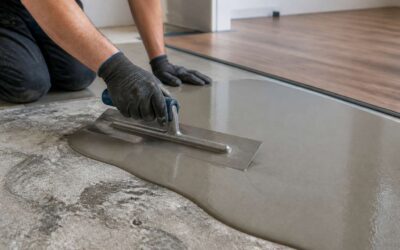
Self-Leveling Concrete
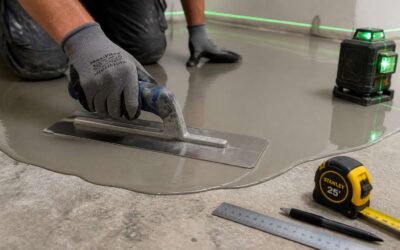
In the shadowed corridors of construction, where concrete floor options are often dismissed as mere utilitarian choices, lies a silent revolution—Self-Leveling Concrete. This clandestine marvel molds itself seamlessly into any space, creating a surface so flawlessly smooth it whispers of perfection. Unlike traditional slabs, self-leveling concrete offers an eerie elegance—its liquid form flows effortlessly, settling into a uniform plane that demands no additional finishing. Its versatility makes it a favored choice for modern interiors, especially when precision and a sleek aesthetic are paramount.
What sets self-leveling concrete apart is its uncanny ability to adapt to complex geometries and uneven substrates, providing a pristine foundation for any design. Its rapid curing process minimizes downtime, allowing spaces to transform with ghostly speed. For those seeking a resilient, low-maintenance surface—resistant against moisture, cracks, and temperature fluctuations—self-leveling concrete stands as a spectral guardian of durability. In the realm of concrete floor options, it offers a hauntingly perfect canvas that can be adorned with decorative overlays or left as a stark, industrial statement.
From the underground vaults of commercial warehouses to the luminous floors of contemporary homes, this material embodies the essence of versatility. With its ability to serve as a base for epoxy coatings, polished finishes, or decorative elements, self-leveling concrete is truly a chameleon among concrete floor options. Its silent strength and smooth visage conceal a complex sophistication—an ideal choice for those who crave both form and function in the shadows of innovation.
Colored Concrete
Color is the silent storyteller of any space, transforming mundane concrete into a captivating focal point. Colored concrete offers a palette of possibilities, from bold, saturated hues to subtle earth tones, allowing for a truly personalized aesthetic. In South Africa’s diverse climate and vibrant design scene, choosing the right color can elevate a concrete floor into an artful expression of style and function.
What makes colored concrete a compelling choice among concrete floor options? Its adaptability is unmatched. By incorporating integral pigments or surface stains, it provides a seamless, durable finish that resists fading and wear. The use of integral coloring ensures a uniform appearance, even under heavy traffic, while surface dyes can be layered for intricate designs or subtle shading effects.
For projects seeking a harmonious blend with natural surroundings or a striking contrast, considering a palette that complements the environment is crucial. The versatility of colored concrete is further enhanced by decorative techniques such as acid staining or topical overlays, which can produce a variegated, almost artistic finish. This makes colored concrete an ideal choice when exploring a broad spectrum of concrete floor options that balance durability with aesthetic appeal.
In the realm of concrete floor options, the ability to customize color not only broadens design possibilities but also contributes to long-lasting, low-maintenance surfaces. Whether used in commercial warehouses, sleek residential interiors, or outdoor patios, colored concrete continues to be a sophisticated choice—adding depth, personality, and resilience to any project.
Exposed Aggregate
Exposed aggregate isn’t just a fancy term for “decorative gravel on steroids”—it’s a stunning concrete floor option that combines durability with eye-catching aesthetics. Imagine a surface that’s as tough as your morning coffee but with the kind of visual appeal that stops traffic (or at least, passersby). This technique reveals the natural beauty of stones, pebbles, or shells embedded in the concrete, creating a textured, slip-resistant finish that’s perfect for outdoor patios, driveways, and even high-traffic commercial spaces.
What makes exposed aggregate stand out among the myriad concrete floor options? Its rugged charm and resilience are unmatched. Plus, it’s low-maintenance—no fancy waxing required—making it an ideal choice for South Africa’s diverse climate. For those who appreciate a little raw elegance, the variety of aggregate sizes and colors can be tailored to suit any design vision. Whether you’re after a subtle, earthy vibe or a bold, mosaic-inspired statement, exposed aggregate can be customized to fit the bill perfectly.
In essence, if you’re seeking a concrete floor option that combines function with flair, exposed aggregate offers a practical yet striking solution. Its textured surface not only adds visual interest but also provides excellent slip resistance, making it ideal for outdoor entertainment areas or commercial walkways. So, why settle for plain when you can have a floor that’s both tough and irresistibly textured? It’s a choice that’s as solid as the concrete beneath your feet.
Design Considerations for Concrete Floors
Aesthetics and Visual Impact
When considering concrete floor options, the visual impact of your space hinges on thoughtful design choices that reflect personality and purpose. An often underestimated aspect is how the color palette and surface texture can transform an ordinary floor into a captivating focal point. In South Africa, where vibrant landscapes meet diverse architectural styles, selecting the right concrete finish can amplify the character of any environment.
Design considerations extend beyond aesthetics—functional elements like slip resistance, durability, and maintenance play a crucial role. For instance, integrating decorative concrete techniques such as integral coloring or unique surface textures can create stunning visual effects that suit both residential and commercial settings. To ensure harmony, it’s essential to consider the overall interior theme and how the concrete floor options will complement existing elements.
For those seeking a bespoke look, exploring options like acid staining or custom aggregate infusions can add depth and richness that resonate with local craftsmanship. Here are some popular design features to keep in mind:
- Color consistency and tonal variations
- Surface patterning and texturing
- Integration with lighting design for enhanced visual impact
Ultimately, choosing the right concrete floor options involves balancing aesthetics with practicality, ensuring your space is both beautiful and resilient for years to come!
Durability and Wear Resistance
When selecting concrete floor options, durability and wear resistance are the silent guardians of longevity. In South Africa’s diverse climate—where intense sun, seasonal rains, and foot traffic collide—a resilient floor is essential. The magic lies in how the concrete’s composition and finishing techniques can fortify its strength, transforming a humble surface into a fortress of endurance. Artistic integrations like integral coloring or textured finishes not only elevate visual appeal but also contribute to the floor’s resilience against scratches, stains, and abrasion.
To truly harness the potential of your concrete floor options, consider the following layers of protection:
- Applying high-performance sealers that penetrate deeply, sealing the surface against moisture and wear.
- Incorporating additives like latex or polymer modifiers to enhance flexibility and crack resistance.
- Opting for surface treatments such as densifiers or abrasion-resistant coatings that bolster longevity and maintain appearance over time.
In the end, the harmony between form and function in concrete floor options ensures your space remains both captivating and enduring—standing tall through seasons of change and the passage of time. Every layer of care weaves resilience into the very fabric of the floor, making it a true foundation for beauty and strength in every South African setting!
Slip Resistance
Slip resistance is a paramount consideration when choosing concrete floor options, especially in South Africa’s varied climate. A beautifully finished concrete surface can quickly become hazardous if not properly designed for safety. Incorporating slip-resistant features ensures that both residential and commercial spaces remain secure, even during rainy seasons or in high foot traffic areas. The key lies in understanding how surface textures and treatment methods influence slip potential.
For optimal safety, consider textured finishes like broom finishes or exposed aggregate, which naturally provide better grip. Additionally, surface treatments such as anti-slip coatings or slip-resistant sealers can dramatically reduce the risk of falls. These coatings create a micro-rough surface, offering added traction without compromising the overall aesthetic of your concrete floor options. In areas prone to moisture or spills, such as kitchens or outdoor patios, these safety measures become indispensable.
- Assess the specific environment and foot traffic levels.
- Select a textured finish or incorporate aggregates for added grip.
- Apply high-quality anti-slip sealers suited to your climate conditions.
Balancing aesthetics with safety is essential. When carefully integrated into your concrete floor options, slip resistance elevates the functionality of your space while maintaining visual appeal. After all, a floor that looks stunning but isn’t safe is an incomplete story!
Ease of Maintenance
In the realm of concrete floor options, one cannot underestimate the importance of design considerations that marry form with function. A thoughtfully crafted concrete surface does more than just serve its purpose; it becomes an integral part of the space’s identity. Ease of maintenance emerges as a pivotal element, especially in South Africa’s diverse climate, where dust, moisture, and foot traffic can quickly erode the beauty of an uninspired finish.
Durable and visually appealing, concrete floors can be tailored to suit both residential and commercial environments. The secret lies in selecting finishes that facilitate effortless upkeep—such as sealed surfaces that resist stains and are easy to clean. For high-traffic areas, options like textured finishes or integral color can hide wear and tear, prolonging the floor’s aesthetic integrity. Incorporating these features into your concrete floor options ensures longevity and reduces ongoing maintenance costs, while simultaneously elevating the space’s overall allure.
Environmental Factors
When choosing concrete floor options, environmental factors should be at the forefront of your decision-making process. South Africa’s climate is a fascinating cocktail — boasting everything from scorching heatwaves to sudden downpours — which means your concrete must be more than just pretty; it needs to stand up to the elements. Temperature fluctuations can cause concrete to expand and contract, risking cracks or surface deterioration. Humidity and moisture levels also play a significant role, especially in areas prone to damp conditions or heavy rainfall.
To combat these challenges, consider concrete floor options that incorporate additives or sealants designed for extreme climates. For example, integral color or decorative finishes can not only elevate aesthetics but also act as a protective barrier against environmental stressors. Additionally, some finishes, such as exposed aggregate or self-leveling concrete, are inherently more resistant to the wear and tear caused by South Africa’s diverse weather patterns.
In the grand scheme of design considerations, understanding the local environment helps ensure your concrete surface remains stunning and functional for years to come. After all, a beautiful concrete floor isn’t worth much if it’s cracking under pressure from Mother Nature’s unpredictable temperament.
Application Areas for Different Concrete Floor Options
Residential Spaces
When it comes to transforming a humble slab of concrete into a versatile masterpiece, choosing the right concrete floor options for residential spaces can feel like navigating a maze of endless possibilities. South African homeowners are increasingly exploring innovative ways to blend durability with style—because who says a concrete floor can’t be the star of the show? From sleek polished finishes to rustic exposed aggregate, there’s a perfect fit for every taste and lifestyle.
In cozy homes, decorative concrete options like stained or coloured concrete add a splash of personality without breaking the bank. Meanwhile, self-leveling concrete provides a seamless surface ideal for modern open-plan living, giving homes an ultra-smooth, contemporary vibe. For outdoor patios or garages, slip-resistant and durable options ensure safety and longevity, even under the harsh African sun.
- Living rooms craving a touch of elegance
- Outdoor entertainment areas demanding resilience
- Garage floors requiring high wear resistance
- Basements needing moisture-resistant solutions
Choosing the right concrete floor options isn’t just about aesthetics—it’s about creating a functional space that stands the test of time while reflecting your unique style. After all, a well-chosen concrete finish can elevate any residential space from basic to breathtaking!
Commercial Buildings
In the bustling world of commercial buildings across South Africa, choosing the right concrete floor options can be the difference between a space that simply functions and one that inspires. High-traffic areas like retail outlets, warehouses, and industrial facilities demand concrete floors that combine resilience with practicality. Durability and wear resistance are paramount, especially in zones where heavy machinery or constant foot traffic prevail.
For these environments, epoxy coatings and burnished concrete offer unmatched strength and seamless finish, reducing maintenance while supporting safety standards with slip resistance. Factories and logistics hubs often benefit from self-leveling concrete, creating an even surface that facilitates efficient logistics and equipment movement. Meanwhile, decorative concrete finishes, such as stamped or exposed aggregate, can add a touch of aesthetic appeal to client-facing areas, blending functionality with visual impact.
- Retail spaces that seek durability alongside attractive design
- Industrial warehouses requiring high wear resistance
- Office complexes aiming for a sleek, modern look
- Parking garages needing slip-resistant and weather-resistant solutions
Whether enhancing the visual appeal of a showroom or ensuring the robustness of a storage facility, concrete floor options in commercial buildings are more versatile than ever. They are an essential element for creating spaces that withstand the test of time while leaving a lasting impression.
Industrial Facilities
In the realm of industrial facilities across South Africa, the choice of concrete floor options can profoundly influence operational efficiency and safety. Warehouses, factories, and logistics hubs demand floors that not only withstand relentless wear and tear but also support seamless logistics and machinery movement. The right concrete floor options ensure resilience against heavy loads while maintaining a surface that’s easy to clean and upgrade.
For high-traffic industrial environments, self-leveling concrete often emerges as a preferred choice. Its ability to create an even, smooth surface reduces tripping hazards and enhances safety standards. Additionally, epoxy coatings are frequently applied to boost durability and provide a glossy, seamless finish that resists stains, chemicals, and abrasion. This combination of strength and practicality makes epoxy coatings indispensable in demanding settings.
In certain facilities, incorporating decorative concrete finishes like exposed aggregate or stamped concrete can elevate the aesthetic appeal without sacrificing functionality. These aesthetic upgrades can improve the overall look of industrial spaces, making them more inviting for clients and visitors alike. Whether for a sleek, modern appearance or rugged durability, the versatility of concrete floor options offers a tailored solution for every industrial application in South Africa.
Garages and Driveways
Garages and driveways in South Africa are more than just practical necessities—they are the first impression of a home’s character. The choice of concrete floor options can transform these utilitarian spaces into something both functional and visually captivating. Durable concrete floors with high wear resistance are essential to withstand the relentless assault of vehicles, weather, and daily foot traffic. A well-chosen concrete floor can resist cracking and staining, ensuring longevity and ease of maintenance for years to come.
For those seeking a touch of elegance, decorative concrete options such as exposed aggregate or stamped concrete lend a unique texture and aesthetic appeal. These styles can be customized with vibrant colors or intricate patterns, creating an inviting entryway that complements the overall landscape design. When selecting the perfect concrete floor options for garages and driveways, consider environmental factors like South Africa’s intense sun and seasonal rains, which influence the durability and performance of the surface.
In the realm of concrete floor options, versatility is key. Whether it’s a sleek modern finish or a rugged, textured surface designed to hide imperfections, there’s a solution suited for every driveway or garage. The right choice not only elevates curb appeal but also ensures the space remains resilient against the relentless march of time and weather.
Basements and Warehouses
Basements and warehouses are the unsung heroes of any property—hidden from view but vital for functionality and safety. When it comes to choosing concrete floor options for these spaces, durability is the name of the game. Warehouses, in particular, demand floors that can handle forklifts, heavy pallets, and the occasional rogue dropped item without batting an eye. Likewise, basements often require moisture-resistant concrete floor options to combat the damp South African climate.
For these application areas, epoxy coatings and self-leveling concrete are popular choices. Epoxy coatings offer a seamless, chemical-resistant surface that’s perfect for industrial environments and storage facilities. Meanwhile, self-leveling concrete provides a smooth, even surface that simplifies installation and maintenance, reducing the risk of trip hazards or uneven wear.
- High load-bearing capacity
- Resistance to moisture and chemicals
- Ease of cleaning and maintenance
In warehouses and basements, selecting the right concrete floor options isn’t just about aesthetics—it’s about resilience. After all, these spaces often serve as the backbone of commercial operations or storage needs, making their floors crucial to long-term success.
Pros and Cons of Various Concrete Floor Options
Cost Effectiveness
When navigating the labyrinth of concrete floor options, one quickly realizes that cost-effectiveness often dances a delicate tango with aesthetics and durability. In South Africa, where construction budgets can vary as wildly as the weather, understanding the pros and cons of various concrete floor options becomes essential. While polished concrete dazzles with its sleek, modern appeal, it can sometimes come with a hefty price tag that rivals its visual impact. Conversely, standard concrete remains the budget-friendly stalwart, offering simplicity and strength, but lacking the pizzazz that decorative finishes provide.
For those seeking practicality over flair, self-leveling concrete offers a smooth finish at a lower cost, perfect for residential renovations or industrial warehouses. However, some may find its lifespan slightly less resilient under heavy wear. To aid in decision-making, consider this:
- Initial investment
- Long-term maintenance costs
- Suitability for specific environments (residential, commercial, industrial)
Ultimately, the choice of concrete floor options hinges on a harmonious blend of budget and purpose, with each offering a unique set of advantages and drawbacks that can make or break your project’s financial and aesthetic future.
Installation Time
When considering the installation time of various concrete floor options, the timeline can significantly influence your project’s momentum. Some choices, like standard concrete, are swift and straightforward, often completed within a few days. Its simplicity means minimal delays, making it an attractive option for those eager to see progress. Conversely, decorative concrete finishes such as stamped or polished concrete tend to require longer, meticulous curing, and multiple layers of sealing or polishing can extend the process by several days or even weeks.
Interestingly, self-leveling concrete offers a surprisingly rapid turnaround, often allowing for quick application and early foot traffic—ideal for time-sensitive projects. Yet, the detailed craftsmanship involved with epoxy coatings or exposed aggregate can sometimes demand patience, as these surfaces need ample curing time to achieve their full visual and functional potential. When weighing your choices among the myriad concrete floor options, it’s essential to factor in how installation duration aligns with your project’s overall schedule—after all, time is as vital as the final aesthetic in shaping the perfect space.
Long-Term Maintenance
Choosing the right concrete floor options isn’t just about looks; it’s a long-term commitment that can make or break your space’s functionality. Some finishes, like polished concrete, boast minimal maintenance—just a quick sweep and occasional polish, and they’re good to go. Others, such as stamped concrete, demand more attention to preserve their textured charm, especially in high-traffic areas.
Epoxy coatings, while incredibly durable, require diligent upkeep—think regular cleaning and prompt repairs to prevent chips or cracks. Conversely, exposed aggregate floors tend to hide dirt and stains well, making them a practical choice for busy industrial facilities. For those craving easy maintenance, self-leveling concrete with a sealed surface offers a smooth, resilient finish that’s a breeze to keep spotless.
- Durability: Some concrete floor options, like epoxy coatings, are built to withstand wear and tear, while others may need frequent touch-ups.
- Cleaning: Smooth surfaces such as polished or self-leveling concrete are generally easier to clean, whereas textured options might trap dirt.
Ultimately, the decision hinges on balancing aesthetic appeal with long-term maintenance demands—after all, a beautiful space shouldn’t turn into a cleaning nightmare overnight! Whether for residential garages or sprawling warehouses, understanding the pros and cons of each concrete floor option ensures your investment stands the test of time and foot traffic.
Aesthetic Flexibility
When it comes to choosing the perfect concrete floor options, aesthetic flexibility can be a game-changer. From sleek polished surfaces that gleam like a mirror to textured stamped finishes that mimic stone or brick, the visual impact is vast. Each option offers a unique charm—whether you’re aiming for a modern minimalist vibe or something more rustic and warm.
However, not all concrete floor options are created equal in terms of pros and cons. For example, epoxy coatings are incredibly durable and resistant to wear, making them ideal for high-traffic commercial spaces. On the flip side, their glossy finish can become slippery when wet, posing a safety concern. Meanwhile, exposed aggregate floors hide dirt and stains well, but their textured surface might trap debris, complicating cleaning routines.
- Polished concrete provides a sleek look with minimal maintenance, but it can be prone to scratches over time.
- Stamped concrete offers impressive aesthetic versatility, though it demands regular sealing to preserve its textured charm.
- Self-leveling concrete is perfect for creating a smooth, seamless surface, yet it may lack the visual texture some spaces crave.
Ultimately, weighing the pros and cons of each concrete floor option hinges on your specific needs—be it durability, ease of maintenance, or visual appeal—ensuring your space looks stunning while staying functional and practical.
Resistance to Damage
When it comes to concrete floor options, resistance to damage is a critical factor that can make or break your decision. Some finishes, like epoxy coatings, boast exceptional wear resistance—perfect for bustling commercial spaces where foot traffic is relentless. However, their glossy surface can be a double-edged sword; slip hazards when wet are no joke, especially in a country where rain is as unpredictable as political forecasts.
On the flip side, exposed aggregate floors excel at hiding dirt and stains, but their textured surface can trap debris, making cleaning a chore. Polished concrete is another contender—its sleek aesthetic is appealing, but it can scratch if you’re not careful. Meanwhile, self-leveling concrete offers a seamless surface that’s less prone to cracking, yet it lacks the visual texture some spaces crave for that added character.
- Durability of epoxy coatings makes them ideal for high-traffic areas, but they may require frequent recoating.
- Stamped concrete looks stunning and can mimic natural materials, but it’s susceptible to surface wear over time.
- Standard concrete is cost-effective and tough, yet it’s prone to cracking without proper reinforcement.
Choosing the right concrete floor options hinges on balancing these pros and cons, ensuring your space remains both resilient and visually captivating, no matter the South African climate or usage demands.
Factors to Consider When Choosing a Concrete Floor
Budget Constraints
Choosing the right concrete floor options involves a careful balance of various factors, especially when budget constraints come into play. In South Africa’s diverse construction landscape, understanding these considerations can make all the difference.
Budget constraints are often the first hurdle—some stunning finishes like epoxy coatings or decorative concrete might stretch the budget, while standard concrete offers a more economical alternative. It’s essential to assess long-term value, as some concrete floor options may require less maintenance or have greater durability, ultimately saving money over time.
When working within a limited budget, exploring options such as self-leveling concrete or exposed aggregate can provide a pleasing aesthetic without the hefty price tag. Remember, flexibility in aesthetic appeal and resistance to damage can sometimes be achieved through innovative, cost-effective solutions that don’t compromise quality. Ultimately, selecting the right concrete floor options hinges on aligning your financial boundaries with the specific needs of your space—be it residential, commercial, or industrial.
Usage and Traffic Levels
When selecting the ideal concrete floor options, understanding how usage and traffic levels influence durability is crucial. High-traffic areas—such as warehouses or busy garages—demand a resilient surface capable of withstanding constant wear and tear. Conversely, spaces with minimal foot traffic, like residential basements, permit a broader range of aesthetic choices.
In environments where heavy machinery or frequent movement is expected, concrete floor options with enhanced resistance to damage become non-negotiable. The right choice not only preserves structural integrity but also minimizes long-term maintenance costs.
To streamline decision-making, consider these factors:
- Traffic intensity and load-bearing requirements
- Slip resistance based on usage environment
- Frequency of maintenance and cleaning
- Environmental influences such as moisture or chemical exposure
By evaluating these elements, you can ensure your selection of concrete floor options aligns perfectly with your space’s demands—delivering durability and aesthetic appeal in equal measure. South Africa’s diverse settings call for a nuanced approach, making the understanding of usage and traffic levels an essential step in choosing the most fitting concrete floor options.
Design Preferences
Choosing the right concrete floor options isn’t just about appearance; it’s about aligning the design with your specific needs. Environmental factors like moisture and chemical exposure can significantly influence the longevity of your floor. For example, in South Africa’s humid coastal areas, moisture-resistant concrete options are essential to prevent cracking and deterioration.
Furthermore, your space’s usage dictates the type of finish you should consider. Heavy-duty environments such as industrial facilities require concrete floor options with high wear resistance, while residential basements may prioritize aesthetic appeal over toughness. A thoughtful approach involves evaluating how often the floor will be used and the kind of traffic it will endure.
In some cases, opting for decorative concrete can enhance visual impact without sacrificing durability. For spaces with high slip risks, slip-resistant finishes should be a priority. Ultimately, understanding these factors ensures your choice of concrete floor options delivers both performance and style—tailored perfectly to your environment’s demands.
Climate and Environmental Conditions
Choosing the right concrete floor options isn’t merely an aesthetic pursuit; it’s a strategic decision rooted in understanding the unique climate and environmental conditions of your locale. South Africa’s diverse climate, from the humid coastal regions to the arid interior, demands a tailored approach. Moisture-resistant concrete options are indispensable in coastal areas to prevent cracking and deterioration, while high-temperature regions call for finishes that can withstand intense heat without losing integrity.
Environmental factors such as exposure to chemicals, salt, or moisture can drastically influence the lifespan of your concrete floor. For example, industrial facilities exposed to harsh chemicals require specialized coatings that resist corrosion, whereas residential spaces may benefit from decorative concrete with enhanced visual appeal. A nuanced appreciation of these conditions ensures you select the most suitable concrete floor options, balancing durability with style in every environment.
Expected Longevity and Maintenance
When selecting the perfect concrete floor options, understanding the expected longevity and maintenance is paramount. A resilient surface not only endures the relentless march of time but also preserves its aesthetic allure amidst South Africa’s varied climate. The durability of your choice hinges on how well it withstands daily wear, chemical exposure, and environmental stressors. A well-maintained concrete floor can surpass decades, transforming spaces into enduring legacies of craftsmanship and resilience.
Consider the factors that influence lifespan, such as the type of finish, the quality of materials used, and the frequency of upkeep. For high-traffic areas or industrial facilities, durability and wear resistance are non-negotiable — a concrete floor that ages gracefully with minimal maintenance offers both peace of mind and economic advantage. In contrast, decorative concrete may require periodic sealing to retain its visual charm, yet it adds a distinctive character that elevates any environment.
Ultimately, choosing the right concrete floor options is about balancing long-term performance with ease of maintenance. A thoughtful decision ensures your space remains visually captivating and structurally sound, standing resilient through the years like a silent sentinel against the elements. Whether in a bustling commercial hub or a tranquil residential retreat, the right concrete floor can transcend mere functionality—becoming a testament to enduring beauty and steadfast reliability.

0 Comments