Understanding Concrete Floor Polishing
Overview of Concrete Floor Polishing
Concrete floor polishing is more than just a surface treatment; it’s a meticulous craft that transforms ordinary slabs into stunning, durable floors. In South Africa’s bustling commercial and industrial sectors, understanding the nuances of concrete floor polishing specifications can spell the difference between a floor that lasts decades and one that quickly deteriorates. The process involves a combination of high-grade diamond tooling and precise techniques, ensuring each layer of concrete is refined to perfection.
At its core, concrete floor polishing enhances both aesthetics and functionality. A polished concrete surface not only reflects light beautifully but also resists stains, abrasions, and wear — making it ideal for high-traffic areas. To achieve this, contractors must adhere to strict concrete floor polishing specifications, which detail everything from the grit levels of the diamond pads used to the sealing methods that lock in the shine. This attention to detail ensures a resilient finish that meets the unique demands of South African environments.
Benefits of Polished Concrete Floors
In a landscape where first impressions often set the tone for business success, the benefits of polished concrete floors extend far beyond their initial appearance. These floors embody a blend of resilience and elegance, transforming utilitarian surfaces into assets that support operational efficiency and aesthetic appeal. The durability of polished concrete is unmatched, capable of withstanding the relentless wear of South Africa’s bustling commercial environments. As the renowned architect Louis Kahn once observed, “A good building is not built; it’s already there,” emphasizing that well-executed concrete floor polishing specifications lay the groundwork for enduring excellence.
Polished concrete floors also contribute significantly to environmental sustainability. Their low maintenance requirements and ability to reflect light reduce energy costs, aligning with eco-conscious goals. The process involves carefully calibrated steps, including specific grit levels of diamond tooling and sealing techniques, to unlock the full potential of the concrete surface. When these concrete floor polishing specifications are meticulously followed, they ensure a finish that resists stains, abrasions, and chemical damage—an essential feature in South Africa’s diverse industrial sectors.
Understanding the advantages of polished concrete floors underscores the importance of adhering to detailed concrete floor polishing specifications. These standards serve as a blueprint for achieving a resilient, visually appealing, and cost-effective flooring solution that endures the test of time and environment. In essence, they forge the foundation for floors that are more than just surface treatments—they are a testament to craftsmanship and strategic planning.
Common Applications and Industries
In the shadowed corridors of industrial South Africa, the application of polished concrete floors whispers tales of resilience and silent strength. These surfaces, often cloaked in utilitarian purpose, transcend their mundane origins when crafted with precision concrete floor polishing specifications. They become more than mere flooring—they transform into enduring canvases that withstand the relentless march of time and toil.
From bustling warehouses to sleek retail spaces, the versatility of polished concrete is undeniable. Industries such as manufacturing, logistics, and even healthcare rely on this flooring to marry form with function. The key lies in understanding the nuances of concrete floor polishing specifications that dictate the process—each grit level, sealing technique, and finishing detail echoing the meticulous craftsmanship behind every seamless surface.
Among the common applications, you’ll find:
- Industrial factories where chemical resistance and durability are paramount,
- Commercial showrooms seeking a sleek, reflective finish that enhances aesthetic appeal,
- Parking garages that demand high resistance to wear and tear,
- Educational institutions and airports requiring floors that combine safety with longevity.
Such varied applications underscore the importance of adhering strictly to concrete floor polishing specifications. They serve as a blueprint—a dark, almost poetic map—to craft floors that are not only resilient but also imbued with an understated elegance, echoing the enduring spirit of South Africa’s industrious heart.
Key Components of Concrete Floor Polishing Specifications
Surface Preparation Requirements
Achieving a flawless finish in concrete floor polishing begins well before the first burnisher hits the surface. The surface preparation phase is crucial, setting the stage for durability and aesthetic appeal. In South Africa’s bustling commercial hubs, where floors must withstand relentless foot traffic and heavy machinery, the importance of meticulous surface preparation cannot be overstated.
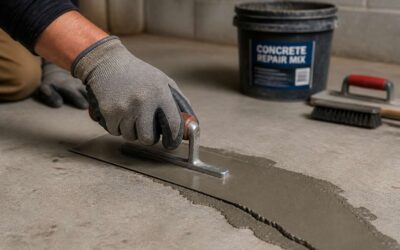
The key components of concrete floor polishing specifications demand a rigorous approach to surface preparation. This involves removing any existing coatings, debris, and imperfections that could compromise the final result. Properly prepared concrete ensures optimal adhesion of polishing compounds and prevents future issues like cracking or spalling.
To meet the highest standards, contractors often adhere to a detailed checklist:
- Thorough cleaning to eliminate dust, grease, and loose particles.
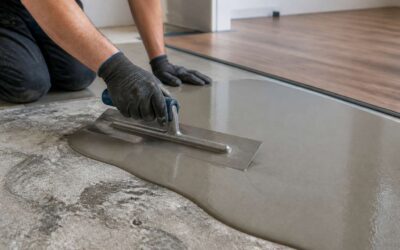
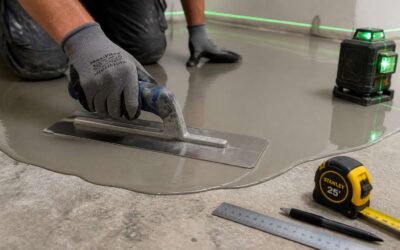
- Leveling uneven areas to create a uniform polish surface.
- Grinding to expose the desired aggregate or achieve a smooth finish.
- Applying densifiers to strengthen the concrete and reduce dusting.
Every step aligns with the concrete floor polishing specifications, ensuring the finished floor not only looks stunning but also offers long-term resilience in demanding environments. When surface preparation is executed with precision, the polished concrete’s brilliance shines through—truly a testament to craftsmanship and attention to detail.
Polishing Process Stages
Understanding the key components of concrete floor polishing specifications is essential for achieving a flawless finish that can withstand South Africa’s demanding commercial environments. The polishing process isn’t just about making floors shiny; it’s about creating a resilient surface that’s both functional and aesthetically pleasing. Each stage of the polishing process plays a crucial role in fulfilling the detailed concrete floor polishing specifications set by industry standards.
The process typically involves multiple stages, starting with grinding to expose aggregate or smooth the surface, followed by honing to refine the finish. To ensure the concrete’s durability, contractors often adhere to a systematic sequence that might include applying densifiers to harden the surface and sealants for added protection. This structured approach guarantees that the finished floor meets not just visual expectations but also longevity requirements.
- Initial grinding to remove imperfections and prepare the surface.
- Honing to refine the surface and achieve the desired gloss level.
- Application of densifiers to enhance surface strength.
- Final polishing with progressively finer grits for a mirror-like finish.
Mastering each stage ensures compliance with concrete floor polishing specifications, transforming raw concrete into a stunning, durable masterpiece that can handle the hustle and bustle of South Africa’s vibrant commercial sectors. It’s a delicate dance of machinery, materials, and meticulous craftsmanship—each step calibrated precisely to meet the highest standards of excellence.
Types of Polishing Equipment and Techniques
When it comes to mastering concrete floor polishing specifications, understanding the right equipment and techniques is half the battle won. In South Africa’s bustling commercial hubs, polished concrete isn’t just about looking shiny—it’s a testament to durability and functionality. The secret lies in choosing the appropriate machinery, which ranges from planetary grinders to handheld polishers, each designed to tackle specific surface challenges with finesse.
For a flawless finish that complies with concrete floor polishing specifications, contractors often rely on a combination of rotary machines and high-quality diamond abrasives. These tools work together to progressively refine the surface, starting with coarse grinding and culminating in a mirror-like polish. The right technique involves a systematic approach—progressing through grits and applying densifiers and sealers at strategic intervals.
- Rotary grinder with diamond pads for initial surface removal
- Single and dual-head planetary grinders for even polishing
- Handheld polishers for tight corners and detailed work
Each piece of equipment plays a pivotal role in meeting the strict concrete floor polishing specifications, ensuring that the finished floor isn’t just a visual delight but also resilient enough to withstand South Africa’s demanding commercial environments. It’s a dance of precision, craftsmanship, and technological innovation—each step carefully choreographed for ultimate excellence.
Polishing Materials and Densifiers
At the heart of achieving impeccable concrete floor polishing specifications lies the mastery of polishing materials and densifiers—those silent artisans that transform a rough surface into a gleaming masterpiece. These substances not only enhance the aesthetic appeal but also fortify the floor’s durability, ensuring it withstands South Africa’s demanding commercial environments. The selection of quality polishing materials, including diamond abrasives and chemical densifiers, is crucial to meet the precise standards outlined in the specifications.
In the quest for perfection, contractors often employ a systematic approach: starting with coarse grinding to remove imperfections, then gradually progressing through finer grits. Densifiers are applied at specific stages to harden the surface, sealing the pores and creating a robust foundation for the final polish. The right combination of these materials guarantees a polished floor that aligns with the strict concrete floor polishing specifications, promising both beauty and resilience.
To streamline the process, many professionals utilize a sequence of polishing steps, sometimes summarized as:
- Initial grinding with coarse diamond pads
- Intermediate smoothing with medium grits
- Application of densifiers to enhance surface hardness
- Final polishing with high-grit diamond pads for a mirror finish
Each step is a deliberate act, woven into the fabric of the polishing process, ensuring every floor not only meets but exceeds the rigorous concrete floor polishing specifications required for South Africa’s diverse industries. The choice of polishing materials and densifiers becomes a symphony of science and craftsmanship—vital for creating floors that are both stunning and enduring.
Finish and Gloss Levels
When it comes to achieving the perfect mirror-like finish, understanding the key components of concrete floor polishing specifications is non-negotiable. Finish and gloss levels are the shining stars of the process, dictating not only how stunning the floor looks but also how it performs over time. In South Africa’s bustling commercial sectors, floors need to withstand both foot traffic and the whims of climate, making these specifications all the more critical.
Gloss levels, measured by a gloss meter, typically range from matte to high-gloss, with high-gloss finishes offering that sleek, reflective surface everyone admires. But don’t be fooled—achieving this isn’t just about aesthetics; it’s about meeting stringent concrete floor polishing specifications that demand durability alongside beauty. The finish quality hinges on a carefully calibrated sequence of polishing steps, each designed to ensure the desired level of sheen and surface hardness.
- Initial grinding for surface uniformity
- Medium grit polishing to smooth imperfections
- Application of densifiers to strengthen the surface
- High grit polishing for the ultimate reflective finish
In the end, the right combination of these components results in a floor that’s not just stunning but also compliant with concrete floor polishing specifications tailored for South Africa’s diverse industries. It’s a fine art—melding science, craftsmanship, and a dash of grit—ensuring every floor is a masterpiece in resilience and shine.
Technical Standards and Quality Benchmarks
Surface Flatness and Levelness
When it comes to concrete floor polishing specifications, surface flatness and levelness are the unsung heroes that determine whether your floor is a shining star or a lumpy disaster. No matter how glossy the finish, if the surface isn’t flat enough, those reflections will be more of a joke than a feature. Precision in these measures ensures a seamless appearance and prevents future cracking or uneven wear—something every property owner in South Africa should keep in mind.
To uphold high standards, technical benchmarks often cite the use of industry-standard tools like the F-number or the L/360 flatness ratio, which gauge how close your floor is to perfection. For instance, a surface that meets a flatness level of F-number 25 or better guarantees a visually appealing, durable surface that withstands the rigors of daily traffic. Remember, these concrete floor polishing specifications aren’t just bureaucratic hoops—they’re the blueprint for longevity and aesthetic excellence.
In essence, maintaining surface flatness and levelness within the prescribed benchmarks isn’t optional; it’s the foundation of a polished concrete masterpiece that can stand the test of time, even in the vibrant hustle of South African industrial and commercial environments.
Abrasion Resistance Standards
When it comes to concrete floor polishing specifications, adhering to rigorous technical standards is essential for ensuring durability and safety. One of the most critical benchmarks is abrasion resistance, which measures how well the polished surface withstands wear over time. In South Africa, where industrial and commercial floors face heavy foot traffic and machinery, meeting these standards isn’t merely a matter of compliance—it’s about protecting your investment.
Industry standards often specify a minimum abrasion resistance value, typically determined through standardized testing methods such as the ASTM C779 or similar local protocols. These tests evaluate the floor’s ability to resist surface degradation, ensuring that the polished finish remains intact and visually appealing despite daily challenges. To meet these benchmarks, many projects incorporate high-quality densifiers and sealers, which enhance the concrete’s hardness and longevity.
Implementing concrete floor polishing specifications that align with these abrasion resistance standards results in a resilient surface capable of enduring South Africa’s demanding environments. Whether for warehouses, retail outlets, or manufacturing facilities, these benchmarks serve as a safeguard—fortifying your floors against the relentless wear of modern industry.
Slip Resistance Requirements
In the realm of concrete floor polishing specifications, aligning with recognized technical standards is paramount. These standards serve as the backbone of quality assurance, ensuring that every polished surface not only looks impeccable but also performs reliably over time. South Africa’s industrial and commercial sectors demand floors that can withstand the rigors of heavy machinery and constant foot traffic, making adherence to slip resistance requirements a critical component of the process.
Slip resistance isn’t just about safety; it’s a vital benchmark that reflects the practical usability of a polished floor. The standards often specify a minimum coefficient of friction, tested through protocols like the ASTM C1028 or local compliance methods. These tests simulate real-world conditions, ensuring that your concrete floor polishing specifications include surfaces that are secure under both dry and wet conditions. Incorporating textured sealers or specialized aggregates during polishing can significantly enhance slip resistance, aligning your project with the highest safety benchmarks.
For projects where safety and durability are non-negotiable, a clear understanding of these quality benchmarks is essential. They serve as a safeguard, ensuring that polished floors not only meet aesthetic goals but also function seamlessly in South Africa’s demanding environments. Whether for retail spaces, industrial warehouses, or public areas, precise adherence to slip resistance standards makes all the difference in creating truly resilient flooring solutions.
Durability and Maintenance Guidelines
Durability isn’t just a buzzword in the world of concrete floor polishing specifications—it’s the very heartbeat of a resilient surface. In South Africa’s demanding environments, floors must withstand relentless wear, chemical exposure, and the test of time. That’s why adherence to rigorous technical standards is paramount; it transforms a basic slab into a fortress of strength. These benchmarks, often rooted in international protocols like ASTM or local South African standards, serve as the blueprint for longevity and performance.
Quality benchmarks extend far beyond initial installation. Maintenance guidelines are equally critical, ensuring your polished floors retain their brilliance and durability. Regular cleaning routines, appropriate sealing, and periodic densifier reapplication can significantly extend the lifespan of your flooring. For projects where durability is non-negotiable, understanding and implementing these specifications isn’t just recommended—it’s essential. After all, a polished concrete surface that meets or exceeds these standards promises not only aesthetic appeal but also unwavering resilience in the face of daily challenges.
Environmental and Safety Specifications
VOC Restrictions and Eco-friendly Materials
In the pursuit of sustainable construction, understanding the environmental and safety specifications for concrete floor polishing is crucial. With strict VOC restrictions in place across South Africa, contractors must prioritize low-emission products that do not compromise on quality or durability. These VOC restrictions help protect both workers and the environment, ensuring that indoor air quality remains safe for occupants and the surrounding community.
Eco-friendly materials are now at the forefront of concrete floor polishing specifications. Many industry-leading products incorporate recycled content or natural binders, reducing the carbon footprint of each project. When selecting polishing compounds and densifiers, look for those certified as environmentally friendly, as they typically emit fewer volatile organic compounds and are biodegradable. This shift not only aligns with global sustainability goals but also demonstrates a commitment to the health of local communities and ecosystems.
- Use low-VOC densifiers and sealers
- Select eco-certified polishing pads and compounds
- Prioritize materials with sustainable manufacturing processes
Workplace Safety Protocols
In the realm of concrete floor polishing specifications, safety is the silent guardian that ensures the well-being of everyone involved. As contractors navigate the shimmering surface of polished concrete, they must also walk the tightrope of workplace safety protocols. The air within these spaces can become a battleground of fumes and dust—elements that demand vigilant control.
Implementing rigorous safety measures is paramount. Workers should don protective gear—masks, goggles, and gloves—while well-ventilated environments help disperse airborne particles. The use of low-VOC densifiers and sealers, aligned with eco-friendly materials, not only meets environmental standards but also reduces hazardous emissions. An organized, hazard-free workspace isn’t just a safeguard; it’s a cornerstone of professional integrity in concrete floor polishing specifications.
To foster safety and compliance, many projects adopt a clear hierarchy of priorities:
- Regular training sessions on handling chemicals and equipment
- Strict adherence to manufacturer guidelines for all polishing materials
- Continuous monitoring of air quality during the polishing process
By weaving these safety protocols into the fabric of each project, contractors uphold the integrity of concrete floor polishing specifications while championing a healthier environment for both workers and the community.
Indoor Air Quality Standards
Indoor air quality standards are a critical component of concrete floor polishing specifications, especially when considering the health of workers and building occupants. During the polishing process, airborne dust and fumes can pose serious safety risks if not properly managed. Ensuring optimal ventilation and air filtration systems helps to mitigate these hazards, creating a safer environment. In fact, adherence to strict indoor air quality standards isn’t just best practice—it’s a legal requirement in many regions of South Africa.
To meet these standards, contractors often incorporate eco-friendly materials and low-VOC densifiers into their concrete floor polishing specifications. These substances reduce hazardous emissions, promoting a healthier workspace. Additionally, implementing continuous air monitoring during the project ensures that airborne particulate levels stay within safe limits. Sometimes, a simple
- use of portable air scrubbers
- regular air quality checks
can make all the difference in maintaining compliance and safeguarding everyone involved. When safety and sustainability are woven into the fabric of concrete floor polishing specifications, the result is a resilient, eco-conscious finish that benefits both the environment and indoor air quality standards.
Compliance and Certification
Relevant Building Codes and Regulations
Ensuring compliance with relevant building codes and regulations is a vital aspect of meeting concrete floor polishing specifications. In South Africa, adherence to standards not only guarantees safety but also enhances the longevity of polished surfaces. Regulations often specify minimum slip resistance, abrasion resistance, and environmental standards, which must be integrated into the concrete floor polishing process.
One key aspect is aligning with the Occupational Health and Safety Act, which mandates workplace safety protocols during installation. Additionally, eco-friendly materials and VOC restrictions influence how floors are polished, particularly in commercial and public spaces. To streamline compliance, many professionals refer to a set of core standards, which include:
- South African National Standards (SANS)
- ISO environmental and safety certifications
- Local building permits and zoning regulations
Understanding these parameters ensures that concrete floor polishing specifications not only meet legal requirements but also deliver superior performance and safety for years to come. Navigating this regulatory landscape is crucial—skipping these steps can lead to costly delays or non-compliance penalties.
Industry Certifications (e.g., LEED, Green Seal)
In the realm of concrete floor polishing specifications, industry certifications serve as the compass guiding professionals through a landscape teeming with standards and expectations. Certifications like LEED and Green Seal are more than mere badges—they symbolize a commitment to sustainability and environmental stewardship. For clients seeking eco-friendly floors, these certifications assure that the polishing process aligns with strict VOC restrictions and eco-conscious materials.
Moreover, compliance with South African standards is fortified by adherence to global benchmarks such as ISO certifications, which reinforce safety and environmental responsibility. When a flooring project meets these rigorous criteria, it not only guarantees legal compliance but also elevates the project’s reputation for quality and sustainability. Incorporating industry certifications into the concrete floor polishing specifications ensures the finished surface is durable, safe, and environmentally sound—attributes that resonate deeply in today’s conscious market.
Inspection and Testing Procedures
In the meticulous realm of concrete floor polishing specifications, rigorous compliance, and comprehensive inspection processes serve as the bedrock of quality assurance. The integrity of a polished surface hinges not only on initial application but on the continuous verification that the project adheres to established standards. Ensuring this involves a layered approach to inspection, wherein each phase—from surface preparation to final finish—is scrutinized with precision and care.
Testing procedures are often designed to evaluate critical attributes such as surface flatness, abrasion resistance, and slip resistance, thereby guaranteeing that the finished floor meets both industry standards and client expectations. For instance, adherence to South African standards is complemented by globally recognized benchmarks like ISO certifications, which reinforce safety and environmental responsibility. These comprehensive evaluations help identify potential issues early, preventing costly rework and ensuring durability and safety.
Furthermore, the implementation of detailed inspection checklists and third-party audits can identify deviations from concrete floor polishing specifications, fostering accountability and transparency. Such systematic oversight not only aligns with eco-friendly materials and VOC restrictions but also elevates the overall quality of the project, ensuring a polished surface that is both resilient and environmentally conscious. In this way, compliance and certification inspection and testing procedures form the unseen yet vital backbone of successful concrete floor polishing projects.
Contractor and Supplier Requirements
Experience and Certification of Contractors
In the realm of concrete floor polishing specifications, the prowess of a contractor is measured not merely by their skill but by the depth of their experience and the rigor of their certifications. A seasoned contractor brings a symphony of expertise, transforming raw slabs into gleaming surfaces that reflect both craftsmanship and vision. Their familiarity with diverse substrates and environmental conditions ensures that each project adheres to the highest standards, yielding results that stand the test of time.
Certification acts as a beacon—a testament to professional integrity and adherence to industry standards. Certifications such as LEED accreditation or Green Seal certification underscore a contractor’s commitment to sustainable practices and eco-friendly materials, vital in today’s conscientious construction landscape. For those seeking excellence in concrete floor polishing specifications, verifying such credentials isn’t just prudent—it’s essential!
- Verify industry-specific certifications that attest to technical competence.
- Ensure the contractor’s experience spans projects of similar scope and complexity.
- Confirm ongoing professional development and adherence to evolving standards.
When selecting a partner for your concrete floor polishing project, remember that experience and certification weave the fabric of unparalleled quality, transforming ordinary surfaces into enduring works of art!
Material Quality Standards
In the intricate dance of transforming raw concrete into a luminous, enduring surface, adherence to rigorous material quality standards is non-negotiable. The foundation of exemplary concrete floor polishing specifications hinges on sourcing premium-grade materials—cements, aggregates, densifiers, and sealers—that meet exacting industry benchmarks. These components must not only fulfill structural integrity but also elevate the aesthetic appeal and longevity of the finished floor.
Contractors and suppliers must demonstrate unwavering commitment to quality through documented compliance with South African standards and international best practices. This entails meticulous testing for compressive strength, chemical composition, and environmental resilience. An emphasis on eco-friendly materials—such as low-VOC densifiers and sustainable sealers—aligns with both regulatory mandates and the growing demand for green construction initiatives.
Furthermore, a comprehensive list of material specifications might include:
- Adherence to ISO 9001 quality management systems
- Certification of raw materials for durability and environmental safety
- Compatibility with various substrates and surface conditions
When selecting a supplier, verify their capacity to deliver consistent quality that aligns seamlessly with the detailed concrete floor polishing specifications. Only through unwavering standards in material excellence can one truly realize the architectural vision of a pristine, resilient surface that endures the test of time and traffic.
Warranty and Support Services
Exceptional concrete floor polishing specifications are only as reliable as the contractor and supplier standing behind them. A reputable provider offers more than just quality materials—they deliver peace of mind through comprehensive warranty and support services. This commitment ensures that any unforeseen issues, from surface imperfections to durability concerns, are promptly addressed, safeguarding your investment over time.
Trustworthy contractors should provide clear documentation outlining their warranty coverage, which typically includes protection against surface delamination, cracking, and wear. Additionally, ongoing support services such as maintenance advice and periodic inspections help maintain the polished surface’s pristine condition. When selecting a partner, consider their ability to meet the rigorous demands of South African standards and their capacity to offer eco-friendly solutions aligned with industry certifications like LEED or Green Seal.
- Verify their adherence to industry best practices.
- Ensure they possess the necessary certifications and experience.
- Confirm their willingness to provide post-installation support and warranties.
Only through a seamless blend of expertise, accountability, and dedicated support can the true potential of concrete floor polishing specifications be realized—creating surfaces that are not only visually stunning but also resilient and long-lasting.
Cost Considerations and Budgeting
Pricing Factors and Cost Breakdown
When it comes to concrete floor polishing specifications, understanding the cost considerations is crucial for making informed decisions. The overall price can vary significantly depending on the size of the area, the condition of the existing surface, and the desired finish level. Typically, a detailed cost breakdown helps clients grasp where their investment is going, ensuring transparency and better budgeting. It’s not just about the initial outlay—the long-term savings from durable, low-maintenance polished floors are equally important.
Pricing factors often include material quality, equipment used, and the expertise of the contractor. For example, higher-quality densifiers and abrasives may elevate costs initially but contribute to a superior finish and extended lifespan. A common approach involves evaluating surface preparation requirements and the complexity of the polishing process, which directly influence overall expenses. To aid in budgeting, many projects follow a structured cost breakdown that considers:
- Surface preparation and repair
- Type of polish and gloss level
- Labor and equipment costs
- Finishing touches and sealing
By aligning these factors with your project scope, you can develop a realistic budget that adheres to the specific concrete floor polishing specifications needed for your environment. This careful planning ensures that your investment yields floors that are not only aesthetically pleasing but also built to stand the test of time in South Africa’s demanding conditions.
Longevity and Return on Investment
In the realm of concrete floor polishing specifications, understanding the delicate balance between cost and longevity is paramount. A polished floor isn’t merely an aesthetic upgrade; it’s a long-term investment that pays dividends in durability and maintenance savings. The initial expenditure, influenced by surface condition and desired gloss level, often masks the true value—an enduring surface that withstands South Africa’s demanding environment.
Long-term return on investment hinges on meticulous planning. When budgeting, consider factors such as material quality, equipment efficiency, and the expertise of your contractor. The choice of densifiers and abrasives, though seemingly an upfront cost, can dramatically extend the lifespan of your floors. A well-crafted budget, aligned with concrete floor polishing specifications, ensures your floors remain resilient and visually striking for years to come—truly a testament to craftsmanship and foresight.
Innovations and Future Trends in Floor Polishing
Advancements in Polishing Technologies
As technology advances, the realm of concrete floor polishing specifications is experiencing a renaissance driven by innovative materials and cutting-edge machinery. Imagine floors that not only gleam with mirror-like brilliance but also possess an innate resilience, capable of withstanding South Africa’s diverse industrial demands. These innovations are shaping the future, blending durability with eco-consciousness in remarkable ways.
One of the most exciting trends is the integration of automated polishing systems equipped with IoT connectivity, allowing real-time performance monitoring. This ensures that the concrete floor polishing specifications are consistently met, enhancing quality control and reducing waste. Additionally, the advent of diamond-impregnated tooling with advanced coatings promises longer-lasting abrasives, minimizing downtime and operational costs.
To navigate this evolving landscape, industry professionals now often utilize a
- comprehensive set of concrete floor polishing specifications
that encompass surface preparation, desired gloss levels, and environmental considerations. These specifications serve as a blueprint, ensuring each polished floor aligns with both aesthetic aspirations and functional standards, paving the way for floors that are not just visually stunning but also built to endure amidst South Africa’s vibrant industries.
Sustainable Practices and Materials
As the world pivots towards sustainability, the future of concrete floor polishing specifications in South Africa embraces an eco-conscious ethos. Innovations in sustainable practices and materials are not merely trends but vital shifts that redefine industry standards. The integration of recycled aggregates, low-VOC densifiers, and environmentally friendly sealers ensures that polished concrete floors meet both aesthetic and ecological demands.
Emerging trends include the development of biodegradable abrasives and coatings that extend the lifespan of floors while reducing environmental impact. These advancements align with global efforts to lower carbon footprints and promote healthier indoor environments. The adoption of green materials is gradually becoming embedded within concrete floor polishing specifications, setting a new benchmark for responsible construction.
Furthermore, new technologies foster a more holistic approach—combining performance with sustainability. Automated systems equipped with IoT connectivity not only optimize efficiency but also enable real-time monitoring of eco-friendly parameters, ensuring consistency with the most stringent concrete floor polishing specifications. As these innovations flourish, industry professionals are called to adapt, blending durability with ethical responsibility in every polished surface.
Smart and Automated Polishing Solutions
Innovation in concrete floor polishing specifications is transforming the industry, especially as automation takes center stage. Smart polishing systems equipped with IoT connectivity are revolutionizing how floors are finished—allowing real-time monitoring of variables like abrasive wear, chemical usage, and moisture levels. This data-driven approach ensures adherence to the highest standards of quality and sustainability.
Emerging trends include automated polishing machines that adapt their operations based on surface feedback, resulting in more consistent finishes with less energy consumption. These advancements not only enhance efficiency but also align with eco-conscious practices, reducing waste and minimizing environmental impact. For example, biodegradable abrasives and eco-friendly densifiers are increasingly integrated into concrete floor polishing specifications, supporting greener construction efforts.
Furthermore, the future of polished concrete floors lies in combining durability with sustainability. As industry professionals embrace these innovations, the focus shifts toward creating surfaces that are both resilient and environmentally responsible. This evolution promises a future where concrete floor polishing specifications meet aesthetic, functional, and ecological demands harmoniously.

0 Comments