Epoxy Surface Prep for Concrete Floors
Assessing Structural Cracks and Subsurface Conditions
“Surface prep is the quiet hero of every durable floor,” a veteran installer told me, and the truth rings clear across South Africa’s workshops and warehouses. When the first light hits a concrete surface prepared with care, the stage is set for long life and minimal downtime, a promise powered by concrete floor repair epoxy.
Epoxy surface prep begins by listening to the floor’s stories—cracks, subsurface whispers, and the mineral tremors beneath. Assessing structural cracks and subsurface conditions helps separate the fleeting flaws from the lasting faults. The following indicators guide the eye:
- moisture presence at the substrate
- voids and delamination under old coatings
- rust or corrosion of embedded metal
With these observations, I map a course that respects the floor’s history while inviting a modern, durable finish in its quiet, steadfast form.
Moisture and Vapor Transmission Testing
In the quiet rooms of South Africa’s workshops, moisture is the unseen negotiator between grit and gloss. Industry notes estimate up to 70% of premature coating failures trace to stubborn moisture paths. Moisture and vapor transmission testing sets the stage for a durable, cost-efficient finish!
Tools become translators, turning damp whispers into numbers you can trust: relative humidity meters, slab probes, and non-destructive scans reveal how air travels through the layer. The data shapes primer selection, cure windows, and the timing of pours, ensuring that a concrete floor repair epoxy will perform as the plan promises rather than chasing future delamination.
Moisture-aware prep isn’t mere compliance; it’s an ethos that honors a floor’s memory and the clock on your operations. In the end, the space breathes easier, and the coating holds its line through South Africa’s sun and stress.
Surface Cleaning, Profiling, and Contamination Removal
Across South Africa’s busy workshops, the true test of concrete floor repair epoxy begins long before the first coat—with surface cleaning that banishes grime, profiling that invites a decisive bond, and a watchful eye for stubborn residues. The right prep for concrete floor repair epoxy turns a dull slab into a trustworthy partner for the finish, preserving gloss and resisting heat, abrasion, and time. It’s where science meets craft, and the bond finally speaks.
Surface cleanliness is the contract between substrate and coating. The following high-level targets shape the outcome:
- Surface cleaning and degreasing to remove oils and grime
- Profiling or keying to invite a mechanical bond
- Contamination removal targeting curing compounds, waxes, and solvents
These categories stand in for the discipline of prep and reaffirm that a readied surface is memory made ready to meet a hard-wearing film.
When paired with careful prep, the system endures—calm under South Africa’s sun and steady through the pace of industry.
Choosing the Right Epoxy System for Concrete Floors
Across South Africa’s bustling workshops, a stark truth travels under the grinders: more than 60% of coating failures begin with a mismatched system before the first coat is laid. Choosing the right epoxy system for concrete floors is the hinge moment—the floor reveals its soul under pressure, turning dull slabs into steadfast partners with gloss that resists time.
To pick the right path, weigh these shadows:
- Anticipated traffic and load class
- Chemical exposure and cleaning cycles
- Moisture management and cure window
- Maintenance demands and color retention
For the South African scene, this concrete floor repair epoxy must marry performance with practicality, delivering a bond that endures beneath the sun and the shop’s relentless tempo.
Safety and Surface Readiness Checklist
Across South Africa’s bustling workshops, the surface speaks first. The first touch determines whether the coating will endure or yield. In fact, over 60% of coating failures trace to imperfect surface prep—so for concrete floor repair epoxy, preparation is the quiet hinge—hidden power that turns rough, dormant slabs into partners that last.
An effective safety and readiness moment hinges on a simple, unobtrusive checklist that stays with the project from dawn to dusk.
- PPE and safety zones
- Ventilation and dust control
- Drying status and surface cleanliness
- Visual and tactile evaluation for flatness and contamination
Once these conditions exist—no loose particles, a true flat plane, and a dry, stable surface—the floor breathes life into any coating, and the story of durability begins in earnest.
Epoxy System Selection and Materials
Epoxy Resin Types: 100% Solids, Solvent-Based, and Water-Based Options
Industrial floors across South Africa keep operations moving, and downtime is costly. Epoxy System Selection hinges on surface needs, environment, and how much cure disruption you can tolerate. For concrete floor repair epoxy, three resin families matter—100% solids, solvent-based, and water-based—each with its own mix of strength, odor, and application ease. I weigh ventilation, odor, and downtime carefully when advising clients.
- 100% solids: top durability, solvent-free, thick builds; best for heavy traffic.
- Solvent-based: strong films, faster cure in warm spaces; higher VOCs.
- Water-based: low odor and cleanup-friendly; may require more coats for durability.
Ultimately, the best choice aligns with humidity, ventilation, and maintenance needs, ensuring the floor supports operations without overwhelming teams.
Fillers, Reinforcements, and Top Coat Concepts
Every busy SA facility wears its story on the floor. One hour of downtime can cost tens of thousands in lost productivity, so choosing the right concrete floor repair epoxy system isn’t a guess—it’s a safeguard. The system selection hinges on expected wear, chemical exposure, and how the team will live with the cure window.
Materials Fillers, Reinforcements, and Top Coat concepts transform a simple repair into armor that resists traffic, spills, and impact. Here’s what to consider:
- Materials Fillers: silica sand, quartz aggregate, micro-beads for footprint and profile
- Reinforcements: fiberglass mesh, carbon fiber mats, steel mesh where extra stiffness is needed
- Top Coats: UV-stable aliphatic polyurethanes, tough epoxy top coats, satin/slip-resistant finishes
Leaning into humidity, ventilation, and maintenance tempo ensures the final surface supports ongoing operations without exhausting teams or budgets, a quiet, steadfast ally underfoot.
Color and Finish Options: Quartz, Metallics, and Pigments
In South Africa’s bustling facilities, every hour of downtime can drain thousands from the bottom line. The right concrete floor repair epoxy system turns risk into resilience, aligning wear, chemical exposure, and cure with your operation’s tempo. Selection becomes a safeguard, a quiet spell that keeps wheels turning and pallets moving.
As you weigh color and finish options, the choices glow with purpose—beyond aesthetics, they guide traffic, glare management, and routine cleaning. Explore these options as part of the system you choose:
- Quartz finishes offer subtle texture and slip resistance, a durable, stone-like feel.
- Metallics create depth and shifting light that helps hide micro abrasions in busy lanes.
- Pigments unlock brand identity, matching corporate colours while preserving performance under heavy use.
Across the spectrum, the palette meets the backbone of the repair, so daily operations hum with confidence in South Africa’s varied industrial landscapes.
Cure Time, Pot Life, and Application Windows
On South Africa’s busy facilities, every hour of downtime can drain thousands from the bottom line. The right concrete floor repair epoxy isn’t just about aesthetics; it’s a timing instrument that aligns cure time, pot life, and application windows with your operation’s tempo. It respects shifts, maintenance slots, and the stubborn clock nobody trusts.
Timetable discipline matters: cure time determines when a floor reaches its ultimate hardness; pot life defines how long you can mix and pour; and the application window marks your window of opportunity for a second coat or topcoat.
- Pot life: how long after mixing before the material begins to set—enough time to mix, pour, and plan without panic.
- Working time and cure: the interval from mixing to final cure, when traffic can safely resume.
- Recoat window: the period in which a second coat bonds best to the first.
- Environmental factors: temperature, humidity, and substrate moisture that accelerate or slow cures.
Choose systems tuned for SA climate and workflows; a well-timed epoxy program keeps wheels turning and pallets moving, even when the day throws a few curveballs at you.
Application Techniques for Durable Coatings
Mixing Ratios, Temperature, and Humidity Considerations
Around South Africa’s manufacturing hubs, every hour of downtime costs real money. Industry data shows productivity dips when floor coatings fail to perform. For concrete floor repair epoxy, the conversation begins with environment-aware planning and a respect for how the material behaves under pressure.
Mixing ratios form the backbone of a durable finish. Too lean or too rich, and the film builds unevenly, undermining adhesion and wear resistance. The aim is a stable, uniform mixture that preserves viscosity and a predictable cure for the concrete floor repair epoxy system—quiet, steady, reliable.
Temperature and humidity govern cure speed and final strength. Substrate warmth, air temperature, and moisture in the air influence flow, curing, and film formation. Consider these factors during planning:
- Ambient and substrate temperature relationship
- Relative humidity and surface moisture potential
- Ventilation and airflow during cure
Respecting these variables yields durable coatings that endure heavy-use spaces.
Priming and Patch Techniques for Uneven Surfaces
Every hour of downtime costs real money in South Africa’s bustling factories, where precision and pace define success. When the moment arrives for concrete floor repair epoxy, the finish must arrive with grace—steady, uniform, and capable of withstanding the day’s demands.
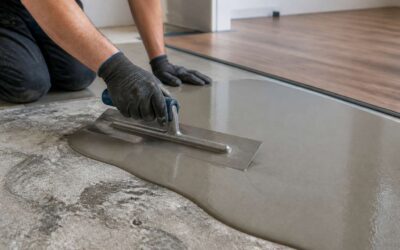
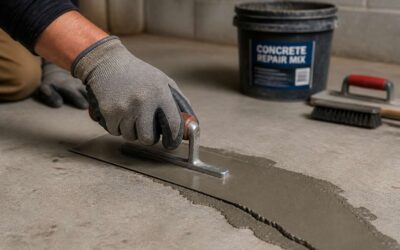
Application techniques for durable coatings hinge on surface readiness and trust in the film. Priming creates a receptive canvas, while patch techniques address unevenness so the epoxy can cure as one confident layer.
- Priming that promotes consistent adhesion
- Patch techniques that harmonize substrate irregularities
In spaces where light and labor wrestle with wear, the choice of system becomes a quiet manifesto. With careful priming and thoughtful patching—embedded in the project’s fabric—concrete floor repair epoxy rises as a glossy, long-lived companion to South Africa’s hardworking floors.
Application Methods: Roll, Brush, and Squeegee
In South Africa’s bustling factories, an hour of downtime can swallow thousands; the floor must endure with a steady, glossy grace. The finish—concrete floor repair epoxy—needs to arrive with precision and stamina, not drizzle and drips.
Application methods—Roll, Brush, and Squeegee—are the tools of this craft.
- Roll: broad, even coverage over large areas for speed and uniform thickness.
- Brush: meticulous edge work and corners, guiding material into pits and transitions.
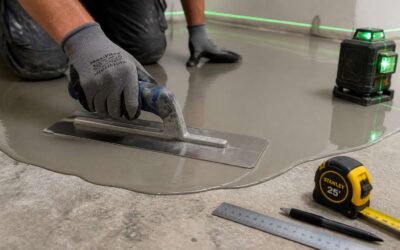
- Squeegee: controls film thickness and pushes excess toward edges for a clean, consistent lay.
When the tempo matches the space, the epoxy film cures as a single, durable layer that withstands traffic, spills, and daily use, becoming a quiet ally to South Africa’s hardworking floors.
Broadcasting Aggregates for Slip Resistance
A single hour of downtime can swallow thousands, especially on South Africa’s busy factory floors. For durability and mood-lifting shine, concrete floor repair epoxy must deliver grip and gloss in one steady, steadfast layer.
Broadcasting aggregates raises slip resistance without dulling the epoxy’s luster. Size and distribution matter, guiding a finish that keeps carts moving and feet sure on the floor’s surface.
- Choose aggregate size that matches traffic and maintenance needs.
- Broadcast evenly while the coating remains workable to avoid hotspots.
- Back-roll to embed the blend, ensuring a uniform texture across edges and gaps.
When paired with the concrete floor repair epoxy system, this approach yields a durable, aesthetically pleasing surface ready for South Africa’s demanding environments.
Quality Control: Wet-Film Thickness and Coverage
In busy South African facilities, a 0.1 mm deviation in wet-film thickness can cost thousands in downtime. A consistent application is the quiet guardian of a durable finish, and it keeps the workflow moving. With concrete floor repair epoxy, control of film thickness translates into fewer pinholes, fewer touch-ups, and a surface that shines under harsh warehouse lighting.
Quality control focuses on consistency rather than speed, guiding decisions on coverage across zones.
- Establishes target thickness benchmarks aligned with the epoxy system.
- Encourages uniform appearance by monitoring coverage consistency across the floor.
- Supports traceability through concise QA records for edges and transitions.
When these checks are routine, the resulting surface remains robust under South Africa’s demanding environments.
Curing, Maintenance, and Longevity
Curing Conditions and Timeframes
Curing is the quiet backbone of any solid floor. A well-cured concrete floor repair epoxy system locks in strength, resists peeling, and avoids brittle micro-cracks under heavy traffic. A seasoned foreman once quipped, “Cure with intention, not optimism.” The timeframe and conditions during the cure determine ultimate longevity and performance, long after the crew has left the site.
Maintenance after cure keeps the sheen and resistance intact:
- Environmental factors like temperature, humidity, and airflow shape the cure’s finish.
- Surface protection and cleanliness help preserve chemical resistance over time.
- Regular inspections catch wear patterns early, supporting long-term performance.
Longevity follows steady care and sensible use. When the film remains intact, the floor resists stains, abrasions, and moisture ingress, delivering dependable service for years in busy spaces across South Africa.
Maintenance Cleaning and Protective Measures
Cure with intention. In South Africa’s rapid, bustling spaces, a floor that cures properly is a floor that lasts. When a floor cures under the right conditions, it locks in strength and resists heavy wear!
Maintenance after cure preserves the sheen and protection. Temperature and humidity shape the finish, while routine cleaning protects chemical resistance. Regular inspections catch wear early, extending service life.
- Environmental steadiness during cure and early service.
- Guarded surface integrity through protective measures and clean handling.
- Attentive observation helps reveal wear patterns early to inform care.
Longevity follows steady care and sensible use. If the film remains intact, concrete floor repair epoxy resists stains, abrasions, and moisture ingress, delivering dependable service across South Africa’s busy spaces.
Repair Protocols for Cracks, Chips, and Wear
South Africa’s bustling spaces demand durable floors. Curing is the hinge of longevity: when concrete floor repair epoxy cures under steady heat, humidity, and clean air, it locks in strength and resists heavy wear. For a system built to endure, the right cure makes the difference between a gloss that fades and a lasting shield. Durability, yes!
Maintenance after cure preserves sheen and protection. Temperature and humidity shape the finish, while routine cleaning protects chemical resistance. In South Africa, ambient conditions swing with the seasons—stability now means fewer surprises later, and thoughtful surface handling guards against early wear.
Longevity follows steady care and sensible use. If the film remains intact, epoxy resists stains, abrasions, and moisture ingress, delivering dependable service across South Africa’s busy spaces.
Recoating Schedules and Longevity Strategies
Durable floors cut downtime by up to 30% on busy South African sites. Curing is the hinge: when concrete floor repair epoxy sets under steady heat, clean air, and controlled humidity, it locks in strength and resists wear. A well-cured floor won’t fade under heavy traffic, and it presents a stable shield that customers notice every shift!
Maintenance after cure keeps the sheen and protection intact. Temperature swings and routine cleaning shape the finish and guard chemical resistance. In South Africa, seasons shift; stability now means fewer surprises later. I’ve seen this approach keep floors durable through our SA seasons.
Longevity hinges on steady care and sensible use. If the film remains intact, the coating resists stains, abrasions, and moisture ingress, delivering dependable service for busy spaces. Recoating schedules and longevity strategies ensure the system endures, maintaining performance without frequent overhauls, and reinforcing the value of durable epoxy systems in harsh working environments.

0 Comments