Underlayment Options for Concrete Floors
Underlayment types for concrete floors
“A floor is only as steady as its foundation,” a master craftsman once whispered, and in South Africa’s evolving homes that truth rings louder than iron. The right choices for underlayment shape moisture control, sound, and long-term stability beneath every surface — a quiet shield that supports your finish and your peace of mind. The focus today is on concrete floor underlayment and how it guides your project from the ground up.
Options span soft, resilient layers to hard, leveling mixes. For many projects, common choices include:
- Foam underlayment (closed-cell polyethylene) for impact reduction
- Natural cork for warmth and sound dampening
- Rubber underlayment for moisture tolerance and resilience
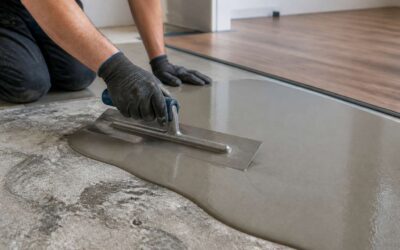
- Cement-based self-leveling compounds to create a perfectly flat base
Choosing the right blend can influence install speed, moisture management, and finish longevity throughout the life of the floor.
Factors to consider before choosing an underlayment
“A floor is only as steady as its foundation,” a master craftsman once whispered — and in South Africa’s evolving homes, that truth wears a new shade of moisture. Choosing the right concrete floor underlayment shapes moisture control, sound, and long-term stability beneath every surface.
Before choosing, size up the project: expected humidity, subfloor condition, and the finish you crave on top.
- Moisture levels and vapor barrier compatibility
- Subfloor flatness, cracks, and prep needs
- Expected foot traffic and load requirements
- Finish type compatibility (tile, timber, carpet)
- Climate and humidity fluctuations (coastal vs inland)
In South Africa, coastal homes battle humidity while highveld properties swing between dry and chilly. Align underlayment with environment and contractor timelines; misfires here ripple through every stage of the build.
In the end, the right concrete floor underlayment choice influences install speed, moisture management, and finish longevity. It’s the quiet partner that keeps floors calm under pressure across SA homes.
Installation planning and surface prep
Flooring starts long before the first plank latches into place. In South Africa, the shadow cast by moisture often decides how a room wears its finish, and the quiet ally is the concrete floor underlayment. A master craftsman’s maxim echoes here: the base must be prepared for the surface it will bear. With installation planning, you map moisture movement, surface flatness, and the finish you want, letting the underlayment do the heavy lifting beneath the surface.
- Evaluate how the substrate will interact with future coverings without naming products
- Coordinate with trades to align timelines for curing and finishing
- Anticipate long-term stability by considering traffic patterns and climate shifts
When done with care, the underlayment becomes the invisible moderator—quietly shaping moisture flow, sound behavior, and the life of your floor across SA homes, thanks to a well-chosen concrete floor underlayment.
Maintenance and longevity
Underlayment options for concrete floors influence maintenance and longevity more than you might think. A well-chosen concrete floor underlayment can smooth irregularities, slow moisture gradients, and support enduring performance across South Africa’s variable climate. The base must be prepared to carry what comes next, quietly guiding how the finish ages.
- Moisture handling and vapor control as moisture moves through slabs.
- Thermal stability to minimize expansion and contraction with SA temperatures.
- Compatibility with future coverings and expected traffic loads.
With careful selection, the concrete floor underlayment becomes an invisible moderator—quietly shaping moisture flow, acoustics, and the life of the floor across SA homes.

0 Comments