The Style Statement of Concrete Flooring
A Palette of Custom Finishes
A single concrete pour can end up glossy or matte, rough or smooth. South African designers love that range! I recall a Johannesburg kitchen where a sage green pigment softened the industrial look, and a Cape Town home where polishing turned the slab reflective.
The most common finish choices are:
- Acid stains for veined patterns
- Integral tints for uniform colour
- High gloss polish for light reflection
- Matte sealers for a satin touch
Every option changes how the kitchen feels. Weighing concrete kitchen floor pros and cons often starts with these aesthetic choices. A custom stain produces a unique floor, something no tile can offer.
Matching Concrete to Kitchen Aesthetics
A 2024 report from the South African Institute of Interior Designers shows concrete flooring chosen in 28% of new kitchen projects in Gauteng. This popularity stems from concrete’s ability to make a stylistic statement without overwhelming the space. The floor sits beneath the cabinetry and seating. Matching concrete to kitchen aesthetics means observing the existing palette and light conditions. A pale, sandy concrete suits a seaside home in Durban. A charcoal slab defines a loft in Maboneng.
Consider these style pairings!
- Concrete paired with black steel frames for an industrial look
- Concrete paired with pastel cabinetry for a soft, modern feel
- Concrete paired with natural stone for a Cape Vernacular aesthetic
The statement you choose changes the room’s personality. Evaluating concrete kitchen floor pros and cons involves this visual impact. Yet the floor stays a permanent part of the composition.
The Industrial Modern Look
Concrete’s industrial modern expression is about intention. The matte surface absorbs light, letting steel, timber, and leather command attention. In a Johannesburg loft, a polished slab paired with blackened steel shelving creates a narrative of raw utility. The floor provides a neutral backdrop for the room’s personality.
When weighing concrete kitchen floor pros and cons, the industrial modern look tilts the scale. The material’s seamlessness suits open-plan layouts, and its thermal mass keeps the room cool under the Highveld sun. Accept the signs of wear; trust me, those faint scuffs add character!
For this aesthetic, consider these anchors:
- Use large-format slabs to minimise joints.
- Choose a low-sheen sealer for the matte finish.
- Add underfloor heating for winter comfort.
The result is curated yet lived in, a counterpoint to modern appliances.
Potential for Visual Imperfections
Somewhere between the second and third year of use, the first hairline crack appears. It is not a defect. It is evidence of time. The concrete kitchen floor pros and cons debate rarely addresses this: a surface that registers every dropped pot and dragged stool becomes more interesting with age.
I have walked on Cape Town floors where the surface shows decades of coffee routines. The stain near the sink is not a blemish. It formed where years of use happened. Honed concrete develops marks slowly, and the effect is deliberate. Trust the process!
- Fine crazing lines that trace through the aggregate
- Darker zones where high traffic meets the threshold
- Slight undulation in the trowel finish that catches light differently
These imperfections give the floor a specific identity. They push back against the uniform gloss of mass produced tiles. For a South African kitchen where daily life is lived openly, this honest aging carries style weight.
Making Concrete Feel Warm and Inviting
Concrete carries a reputation for coldness, yet the stone remembers the sun. In a South African kitchen, the mass of a concrete slab absorbs heat through the day and releases it after dark, a slow breath that keeps bare feet comfortable. This thermal weight transforms the material from stark to sheltering.
Warmth also arrives through contrast. Layered textiles, wooden stools, and pendant light at eye level soften the surface without hiding it. The floor becomes a quiet backdrop to morning coffee and evening wine. I find myself lingering on it longer than necessary!
- Wool rugs anchor the seating area
- Underfloor heating coils beneath the slab
- Low lamplight casting long shadows
These choices make concrete feel inviting while preserving its honesty. The debate around concrete kitchen floor pros and cons often overlooks this lived warmth, but it is the very reason so many Cape Town homes choose it.
Strength and Resilience in the Kitchen
Withstanding Heavy Use
Drop a cast iron pot on a concrete kitchen floor and the resulting thud is quiet, with no hairline fracture spreading across the surface. A properly cured slab can withstand compressive forces above 25 megapascals, which translates to daily abuse from dropped utensils, sliding stools, and rolling appliance casters. During my own renovation, I watched contractors drag a loaded fridge across the raw concrete without leaving a single gouge.
Long term resilience matters just as much as that initial impact. Frequent mopping, thermal cycling from ovens, and heavy foot traffic near the sink will not degrade the structure. Every homeowner weighing concrete kitchen floor pros and cons should note this durability. It is the practical foundation for the aesthetic choices already discussed.
Scratch, Dent, and Chip Resistance
Concrete’s surface harnesses a density that leaves everyday kitchen items at a disadvantage. A dropped butter knife or a sliding ceramic plate will not carve a permanent line. The aggregate within the mix creates a tough matrix that resists the sharp edges of metal utensils. For homeowners tracking concrete kitchen floor pros and cons, this resilience translates to years of unchanged appearance.
Consider the caster wheels of a heavy range. They roll across the slab repeatedly, yet the surface holds its original smoothness. Even a wayward bottle cap, ground under a heel, fails to produce a meaningful chip. Concrete outperforms softer materials like timber or tile, which often show the first scratch within months.
- Dropped cutlery leaves no trace on dense concrete.
- Dragged appliance corners fail to gouge the surface.
- Falling glass or ceramic chips the object, not the floor.
That last point matters. When a jar slips from your hand on a Sunday morning, the floor wins the exchange. The repair cost stays close to zero, and the aesthetic remains intact, which is a core consideration in the concrete kitchen floor pros and cons debate.
The Risk of Cracking Over Time
Concrete does not flinch. That is its quiet power and its quiet curse. Beneath the weight of a loaded kitchen, it holds with composure. It ignores the dull thump of a dropped pot and the scrape of a dragged stool. But stability is not immobility. When the earth underneath decides to move, concrete cannot bend to follow.
The same rigidity that offers strength also transfers stress upward. A slab poured over expansive clay, common in parts of South Africa, may crack as moisture swells and shrinks the soil. Temperature swings and an overwatered mix add to the pressure. For anyone weighing concrete kitchen floor pros and cons, this is the real trade-off: effortless resilience above, silent vulnerability below.
Sealing and Structural Protection
Concrete’s porosity is its open secret. Unsealed, it absorbs oil from a fallen jar, red wine from a broken glass, and the faint residue of daily cooking. Sealing closes that vulnerability. A polymer or penetrating sealer creates a barrier around the surface, buying time between accident and consequence. The choice of sealer changes how the floor breathes, how it reflects light, and how it responds to a spill.
Structural protection operates below the visible layer. Control joints give the slab a predetermined place to shift. A moisture barrier beneath the pour stops groundwater from pushing upward. Curing during the first week determines whether the floor holds or fails. These are unglamorous details, yet they define the relationship between concrete and the kitchen above it.
For anyone weighing concrete kitchen floor pros and cons, sealing is the honest trade. The floor’s strength is visible. Its resilience depends on the protection you never see.
Maintenance and Daily Living
Sealing: The Essential Protective Layer
Sealing does more than protect the concrete; it shapes how you live on this floor. A properly sealed surface handles morning coffee spills and dropped utensils without drama. You wipe, you continue. That ease is central, I believe, to the concrete kitchen floor pros and cons assessment, because the daily reality often determines satisfaction. Unsealed concrete would demand immediate attention and careful cleaning, but a good sealer changes the equation entirely.
Of course, daily living still leaves traces. The seal gradually loses its effectiveness where feet and chairs do their work.
- The area near the sink sees the most water exposure.
- The path between stove and fridge sees constant traffic.
Those zones will show first signs of wear, such as a loss of water beading. When weighing concrete kitchen floor pros and cons, this periodic resealing is often the deciding factor. It is not a failure, just a rhythm of ownership.
Effortless Cleaning and Dust Reduction
Concrete floors gather dust differently. Because the surface is dense and sealed, particles stay on top rather than embedding into fibres or settling into grout lines. A dry mop or soft brush picks up most of it in one pass. This matters in a kitchen, where flour, crumbs, and fine debris seem to multiply between meals.
The absence of joints also reduces hiding spots. There are no crevices for grit to accumulate, which means the floor stays visually cleaner for longer. This is a quiet advantage in the concrete kitchen floor pros and cons conversation. Many homeowners expect the floor to feel harsh or demanding. Instead, they find a surface that asks for very little. Your standard household mop and a neutral cleaner handle the rest. No specialised equipment, no exhaustive routine.
This ease of daily upkeep is often the trait that wins people over. The floor performs its role without constant negotiation. You spend less time thinking about it, and more time actually using the kitchen.
Vulnerability to Acidic Spills and Stains
Here is where the concrete kitchen floor pros and cons debate gets sticky. Your beautiful concrete floor has a nemesis, and it lives in your fruit bowl. Lemon juice, vinegar, tomato pulp, even a rogue squirt of Worcester sauce. These acidic agents can etch the surface or leave behind dark stains if left to sit.
The sealant is your shield, but shields have limits. A spilled glass of orange juice wiped up within minutes is fine. Leave it overnight and you may find a ghostly ring staring back at you. Concrete remains porous, even when sealed, and acidic liquids exploit that.
Common kitchen offenders:
- Citrus juices and citrus cleaners
- Tomato products like pasta sauce or chutney
- Wine, coffee, and carbonated drinks
- Cleaners with bleach or strong acids
This vulnerability sits squarely in the concrete kitchen floor pros and cons equation. Spills demand immediate action. Blot, do not scrub, and keep a neutral pH cleaner nearby.
Periodic Re-Sealing and Upkeep Costs
Here is where the concrete kitchen floor pros and cons debate acquires a recurring cost. Sealing is not a once-off event. Every two to four years, depending on foot traffic and how often you drop a lemon, you will need to reseal.
A professional reseal in South Africa runs between R80 and R150 per square metre. The DIY route saves money but tests your patience with rollers and drying times. Skip the schedule and the floor will collect permanent reminders of spills you forgot happened.
Repairing Chips and Cracks
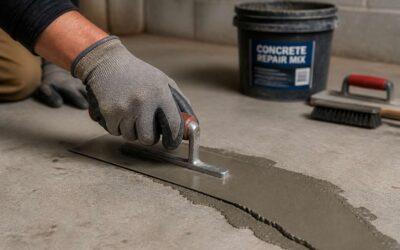
When a chip appears on your kitchen floor, the response depends on how quickly you act. A patching compound fills small chips in minutes, but matching the colour is the hard part. Tinted repair kits exist, yet replicating a specific pigment blend requires patience and multiple attempts.
For deeper cracks, the repair becomes more involved. You must widen the crack slightly, clean out the debris, then apply a flexible filler in thin layers. A rigid patch will fail when the concrete slab shifts with temperature changes.
- Measure the crack width first
- Remove loose material with a wire brush
- Apply filler in two or three thin coats
This reality sits at the centre of the concrete kitchen floor pros and cons discussion. A floor that handles the daily rhythm of cooking still demands occasional vigilance. Ignore a small crack and moisture travels beneath the sealer, turning a visible flaw into a structural concern.
Comparison with Other Flooring Maintenance
Daily routines on a concrete floor differ sharply from the labour of other surfaces. Ceramic tile brings grout lines into play, pale channels that collect grease and darken with each passing meal. Laminate and vinyl fold under heavy furniture, leaving permanent indentations. Wood requires vigilance, no standing water, no dropped knives, and a refinishing schedule measured in years.
In my experience, concrete asks for a damp mop and nothing more. When a jar of pasta sauce falls, the clean up matches any floor, but the surface remains unbothered. Comparing maintenance costs over a decade reveals a clear winner:
- Sweep daily for loose grit
- Mop weekly with neutral cleaner
- Reseal only when water stops beading
The rest of the week, concrete simply exists. The concrete kitchen floor pros and cons debate often fixates on style, yet daily maintenance rarely gets equal attention.
Underfoot Experience and Installation
The Hard and Unforgiving Surface
Your first step onto a bare concrete floor is a jolt. The material offers no cushion, and after a few hours of chopping and stirring, your ankles and spine begin to voice their displeasure. It is the hardest residential surface you will stand on, and installation carries the same rigidity!
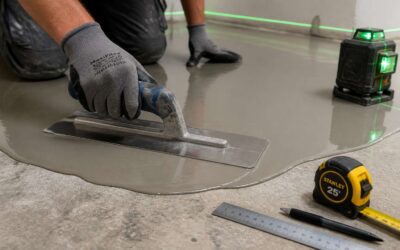
The process demands a thoroughly compacted base, precise formwork, and a skilled pour. Any mistake becomes permanent. For homeowners weighing concrete kitchen floor pros and cons, this unforgiving nature affects daily life. The surface tolerates heavy equipment, but it makes your body and your water glasses pay.
- A standing mat or rubber underlay becomes essential
- Glass and ceramics rarely survive a fall
- Small shifts in the slab become obvious underfoot
Incorporating Radiant Floor Heating
Concrete’s thermal mass makes it a prime candidate for radiant floor heating, but the installation changes everything. The heating tubes are embedded within the slab, forcing you to finalize the layout before the pour begins. Any post-pour modification is a nightmare. The underfoot experience becomes a study in contrasts. Warmth rises evenly, yet the surface remains unyielding. Your body appreciates the heat, but your joints still suffer after long standing sessions.
- Tube spacing determines heat distribution, not just temperature.
- The slab depth increases, altering ceiling heights and door clearances.
- The initial warm-up takes hours, not minutes, due to concrete’s density.
That warmth cannot compensate for the lack of give. The concrete kitchen floor pros and cons hinge on this tradeoff. You gain steady, silent heat, but you lose flexibility in both scheduling and physical comfort.
Installation Process and Time Investment
Walking across a concrete floor is an exercise in sensory honesty. The surface never pretends to be plush; it greets bare feet with a cool, smooth firmness that some find bracing. This unyielding nature is a core part of the concrete kitchen floor pros and cons equation, yet the experience extends beyond mere hardness. The space often sounds different, with footsteps creating a soft, solid tap rather than a muffled thud. That same density which taxes your legs also holds a steady temperature, feeling pleasantly cool in the Durban summer, though the effect is purely passive without embedded heating.
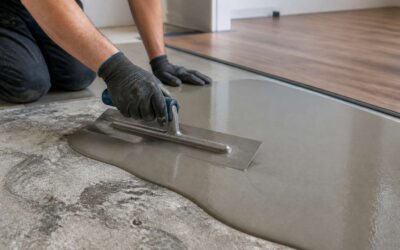
The installation process is not a weekend project; it is a pilgrimage through logistics and patience. You are committing to a substantial time investment before the first meal is served on that surface.
1. Subfloor preparation and formwork takes days.
2. The pour itself is swift, but the curing process demands weeks of controlled moisture.
3. Sealing and polishing add more time before the floor is truly livable.
This timeline is a fundamental trade-off. You are not just paying for a floor; you are paying for a permanent fixture that dictates the rhythm of your renovation and your daily life. The final, seamless expanse often makes the wait worthwhile, but it is a decision weighed in both dollars and days. That is the quiet burden of choosing well.

0 Comments