Selecting the Best Concrete Floor Paint: Key Factors
Paint Type Overview: Epoxy, Acrylic, and Polyurethane
A floor isn’t only a surface; it’s a stubborn witness to every spill, wheel, and weathering breeze! A contractor once reminded me: “A floor is a bet you keep against wear.” So, when you ask which concrete floor paint is best, you’re weighing durability against daily life.
Key factors to weigh include lifespan, maintenance, and application context. Paint Type Overview: Epoxy, Acrylic, and Polyurethane.
- Epoxy: hard-wearing and chemical resistant—great for heavy traffic and slab-on-grade floors
- Acrylic: budget-friendly, faster cure—good for decorative or light-use areas
- Polyurethane: UV-stable and more flexible—ideal near windows or outdoor-adjacent spaces
Ultimately, the choice comes down to wear, light, and upkeep. Epoxy offers supreme resilience; acrylic keeps color options affordable; polyurethane lends a forgiving, UV-stable finish. The best option reveals itself when space needs—long life, smart maintenance, and consistent performance—align with your workflow.
Finish Options: Matte, Satin, Gloss
Selecting the right finish is less about bravado and more about how space lives day to day. This leads to a simple question: which concrete floor paint is best for your space? Light, traffic, and upkeep determine the answer, guiding you toward a surface that stays legible under glare and forgiving of routine cleaning.
- Matte: reduces glare and hides subtle wear, ideal for broad warehouse floors.
- Satin: balanced sheen, easier maintenance, suited for busy workshops and showrooms.
- Gloss: high reflectivity and simple wipe-downs, best where signage or traffic lanes demand clarity.
Beneath the finish, trade-offs matter: durability against solvents, slip resistance, and how the surface welcomes light. In South Africa, UV stability and dust performance also shape the decision, making finish choice more than appearance—it’s a quiet contract between space, people, and daily rhythm.
Application Surface Considerations: Floors, Substrates, and Prep
Step into a sunlit SA workshop and you’ll hear the quiet chorus of a floor that does its job without fanfare. When you consider which concrete floor paint is best, you’re weighing durability, ease of cleaning, and how light plays across the surface. Your space, your rhythm.
Key factors include:
- Floor traffic and cleanliness expectations
- Substrate condition and moisture management
- Surface prep, priming, and adhesion
- Maintenance needs and slip resistance
Prep sets the fate of your finish: a dry, dust-free canvas, properly cured concrete, and the right primer. In SA, high UV exposure and dusty environments demand a coating that resists dulling and dust buildup; patch tests reveal compatibility before a full roll-out.
Budget and Longevity Trade-offs
South Africa’s sun is relentless on concrete. When you ask which concrete floor paint is best, you weigh upfront budget against long-term durability and cleaning ease. A coating that resists UV glare and heavy traffic pays for itself over years, not weeks!
Key trade-offs include:
- Upfront cost versus long-term durability
- Maintenance frequency and cleaning costs
- Slip resistance and safety requirements
Beyond price, longevity hinges on substrate, moisture, and exposure. In SA, dusty, high-UV spaces demand finishes that resist dulling and dust buildup while staying within budget and ensuring safe, slip-resistant floors.
Understanding Paint Types for Concrete Floors
Epoxy Coatings: Pros, Cons, and Uses
South Africa’s floors face heat, humidity, and high traffic—epoxy coatings stand up to it. In harsh, high-traffic spaces, epoxy floors can extend service life and reduce maintenance costs by up to 30%.
Pros: tough, chemical and abrasion resistant, seamless finish, easy to clean, color options. Two-part epoxy resins form a dense, hard surface that resists oil, solvents, and most cleaners.
Cons: longer cure times, can yellow with UV exposure if not UV-stable, moisture during cure can trap defects, and proper surface prep is non-negotiable.
Uses: garages, factories, retail floors, workshops.
- Industrial-grade epoxy for heavy traffic
- Decorative epoxy with chip aggregates
- Non-slip epoxy finishes with additives
For which concrete floor paint is best, epoxy often hits the mark for balance of protection and aesthetics.
Acrylic Floor Paints: Where They Shine
In warm Southern sunlight, acrylic floor paints offer a gentle balance of color and movement that suits busy spaces. They cure quickly and tend to stay clearer of yellowing when UV-stable, making them a practical choice for workshops and interior floors. If you ask which concrete floor paint is best for a bustling environment, acrylics often win for ease and accessibility.
Here’s where they shine:
- Fast drying and low odor for quick turnovers
- Easy recoat cycles to refresh spaces
- Broad color options to brighten workshops and retail floors
For spaces with heat and humidity, acrylics deliver vibrant finishes with less weight than epoxy and easier maintenance. In the right climate and use case, they stand as a versatile option to balance aesthetics with practicality.
Polyurethane and Polyaspartic Coatings: Fast Cure and Durability
In South Africa’s busiest workshops, downtime is measured in hours, not days! A floor that cures quickly can transform productivity and safety on the shop floor. Polyurethane and polyaspartic coatings deliver fast cure with durable protection, even in the heat of a Pretoria summer or a coastal workshop.
- Polyurethane: strong abrasion resistance, good UV stability, and flexibility to accommodate substrate movement.
- Polyaspartic: ultra-fast cure, thin-film finish, high chemical and UV resistance, and easy recoat windows.
Expect quiet, wax-free maintenance and long service life. For the question which concrete floor paint is best, these coatings present compelling options for SA environments where uptime matters and budgets must be balanced with performance.
Hybrid and Specialty Coatings: When to Consider
In South Africa’s busiest workshops, downtime is measured in minutes, not hours. A chipped patch can stall a line and rattle budgets for weeks. Understanding Paint Types for Concrete Floors — Hybrid and Specialty Coatings: When to Consider — clarifies the big question: which concrete floor paint is best? The answer hinges on how the space moves, what it endures, and how quickly you must be back in service. Take note: hybrids and specialty coatings deliver real resilience.
- Hybrid coatings: epoxy toughness with polyurethane flexibility
- Polyurea and polyaspartic blends for ultra-fast cure
- Specialty cementitious and epoxy-modified options for aggressive chemicals
When to consider hybrids or specialty coatings depends on traffic, spills, temperature swings, and substrate. If UV exposure or washdowns dominate, seek UV-stable and chemical-resistant finishes; if you need a rapid return to service, fast-cure systems shine. So, which concrete floor paint is best becomes tailored choice, a tailored choice. So, which concrete floor paint is best becomes tailored choice.
Performance Criteria to Compare Before Buying
Durability and Chemical Resistance
“Durability is the quiet profit,” says a Cape Town facility manager, and that line sticks when you ask which concrete floor paint is best in high-traffic spaces. I’ve watched coatings hold up where forklifts roam, and the difference is real.
Beyond aesthetics, two pillars demand attention: abrasion resistance and chemical resistance. In practice, a sturdy coating should endure heavy foot traffic, pallet jacks, and routine cleaning without cracking, peeling, or fading, keeping floors safer and visually reliable year after year.
- Abrasion and wear resistance under real traffic and load
- Chemical spill tolerance from cleaners, fuels, and oils
- Slip resistance and texture under wet or dusty conditions
- Substrate compatibility and coating hardness to prevent peeling
Color stability, temperature variation, and maintenance demands also shape longevity, so compare options with your substrate and environment in mind. This is where I start my assessments.
Slip Resistance and Texture
In warehouses where forklifts carve invisible lines in concrete, the floor is the silent frontline. A busy South African distribution hub can see tens of thousands of wheel passes each day. When you ask which concrete floor paint is best, the answer isn’t a shinier finish—it’s how the coating grips under pressure, not just on glossy swatches. Slip resistance and texture are non-negotiables; they guard safety and longevity as the rain of daily wear falls.
- Wet and dry slip resistance ratings that survive cleaning and spills
- Texture depth and uniformity to avoid slick patches under dusty conditions
- Durability of texture under routine cleaning and forklift traffic
The truth shows up in how it holds up under pressure, not in glossy claims.
UV Stability and Color Retention
Sunlight is the silent tester of a floor’s life; in SA warehouses, UV fade can speed up colour loss by up to 30%. When asked which concrete floor paint is best, the answer hinges on UV stability and color retention as much as on shine. Look for systems with UV absorbers or blockers and pigments that resist chalking, so the floor keeps its character under forklift traffic and routine cleaning.
Consider these criteria:
- UV fade resistance under solar exposure
- Color retention after cleaning cycles
- Finish stability under heat and abrasion
- Chalk resistance and pigment stability
- Chemical compatibility with common cleaners
These metrics point to the best option for SA warehouses.
Maintenance and Cleaning Needs
Floor coatings endure the daily grind far more than showroom shine. In a South African warehouse, the real decision rests on how a system handles maintenance and cleaning as much as its looks. When asked which concrete floor paint is best, buyers should weigh maintenance cycles, ease of cleaning, and re-coat frequency as heavily as upfront cost. The aim is durable performance under forklift traffic, routine mopping, and occasional spills, with predictable downtime rather than sudden, costly disruptions.
- Cleaning regime compatibility
- Re-coat intervals and downtime
- Chemical tolerance and surface prep requirements
These criteria shape total ownership, guiding choices from surface texture to application windows. Prioritise finishes that resist staining, scrub cycles, and solvent exposure, ensuring the floor stays practical and professional long after the initial cure.
Cure Time and Downtime
Behind every efficient shift, the floor keeps the score. “The floor is the quiet driver of uptime,” a seasoned SA warehouse manager likes to say. When asked which concrete floor paint is best, the decision hinges on cure time and downtime as much as looks, especially under forklift traffic.
Performance criteria to compare before buying include cure time, downtime impact, and re-coat frequency. These factors determine when operations can resume and how often you’ll refresh the coating without derailing production:
- Cure time and initial traffic reopening
- Downtime implications for shifts and maintenance windows
- Re-coat intervals and surface preparation requirements
Durability, ease of cleaning, and resistance to spills all ride on that clock. The best choice stays practical under routine mopping, forklift strain, and the occasional splash, delivering steady uptime rather than costly surprises.
Cost, Installation, and Long-Term Value
Material Costs and Coverage
Cost often frames the decision of which concrete floor paint is best. Upfront material costs vary with the base system, pigments, and required coats, while coverage per litre shapes the total spend. In South Africa’s bustling spaces—garages, warehouses, clinics—a careful balance of price and durability guides the choice.
Installation demands respect for the substrate and time to cure. The real cost of laying your chosen coating includes prep, masking, and downtime, not merely the price tag on the can. A pragmatic workflow emerges from balancing how and when the coating sets, and from accounting for waste and cleanup.
Long-Term Value hinges on durability and maintenance. A coating with strong chemical resistance and easy cleaning pays dividends through longer intervals between repaints and steadier coverage over years. In the end, total ownership costs—material and upkeep—often trump initial price, revealing the true value of which concrete floor paint is best.
Prep Work and Surface Preparation
In South Africa’s bustling spaces, cost is a compass more than a price tag. Upfront material costs hinge on base system and required coats, while coverage per litre reshapes the budget. Buying decisions hinge on one question: which concrete floor paint is best for your space—and factor in downtime and waste too.
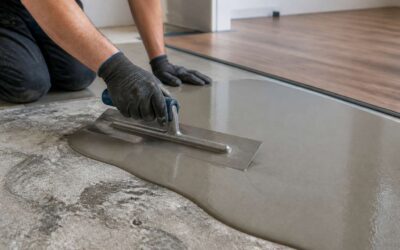
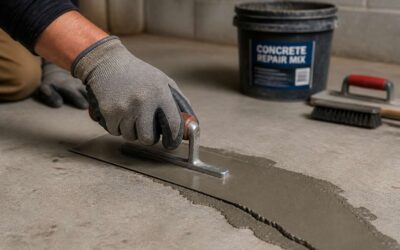
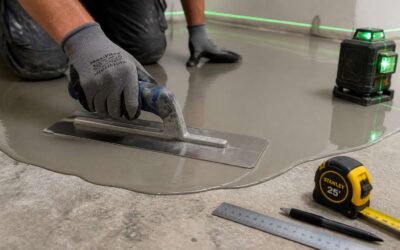
Installation demands respect for the substrate and time to cure. The hidden costs—masking, prep, and downtime—matter as much as the can price. The rhythm is simple: thorough preparation and allowing cure before use.
Long-Term Value hinges on how the surface is prepped—it’s a quiet moral choice. A properly prepared substrate—dust-free, dry, and crack-free—boosts durability, simplifies cleaning, and preserves color. The real measure is maintenance intervals and recoat cycles, not the sticker price you paid at purchase.
DIY vs Professional Installation
Cost in South Africa’s spaces is a compass with needles. Upfront costs hinge on base system, coats, and coverage per litre, while downtime gnaws at the budget. The question which concrete floor paint is best grows from process as much as pigment. Plan around waste and the clock!
- Base system
- Coats
- Downtime and masking
Installation demands respect for the substrate and a patient cure. Hidden costs—prep, masking, downtime—matter as much as the can price. The rhythm is simple: thorough prep and a proper cure before use. DIY vs Professional Installation:
- Skill and safety
- Time and disruption
- Warranty impact
- Final cost
Long-Term Value rests in prep—dust-free, dry, crack-free. Durability, easy cleaning, and color retention outlast the initial price tag. The real measure is maintenance and recoat cycles, not the sticker. With solid prep, South Africa’s floors endure years of traffic and sun.
Warranty and Brand Support
Cost in South Africa’s spaces behaves like a compass with shifting needles. Upfront quotes hint at visibility, yet the true price hides in preparation, drying, and downtime. When you ask which concrete floor paint is best, you’re weighing more than pigment; you’re weighing the life of the floor from first coat to finish.
Installation demands reverence for the substrate and a patient cure. A flawless finish doesn’t rush; sheen and durability emerge as the surface settles. Hidden choices—preparation timing and masking—shape outcomes more than the can price.
Long-Term Value, warranty, and brand support arrive as a single chorus. A floor that’s easy to clean, color-stable, and ready for years of sun and traffic is the true measure of value. Seek South Africa–savvy brands with solid warranty terms and clear aftercare.

0 Comments