Understanding Floor Screeding for Concrete Surfaces
Definition and key terms
Flat floors are more than aesthetics; they’re the quiet engineers of every room. Nearly 9 in 10 projects run into delays when the surface isn’t level. Understanding floor screeding for concrete surfaces is the art of shaping a level plane. This is the core of concrete floor screeding, providing the foundation for every finish. The definition is simple, the practice nuanced, and the discipline underpins durability on site.
Key terms you’ll hear in this craft include screed, substrate, and curing, each a compass for the foreman and the finish team. To keep the flow honest, here are the essentials:
- Screed: the leveling layer that defines planarity
- Self-levelling: a flowable mix that seeks its own level
- Substrate: the base surface beneath the screed
- Workability: how easily the mix spreads and compacts
- Curing: the controlled drying to prevent cracks
Differences between screeding and topping
Across workshops and warehouses, a level floor is the quiet engine of efficiency. Concrete floor screeding is the first act, crafting a true plane that will bear every finish. A flawless screed resists edge dips, hairline cracks, and costly rework, setting a sturdy stage for tiles, epoxy, and polished surfaces.
- Screed: the leveling layer that defines planarity and supports the first finishes.
- Topping: a subsequent layer that provides wear resistance or decorative texture.
- Self-levelling: a flowable option that seeks its own level, reducing manual work.
On South African sites, decisions hinge on traffic, climate swings, and finish expectations. Understanding these differences helps foremen schedule curing, manage timelines, and safeguard the integrity of concrete floor screeding from the workshop to the site.
Why screeding matters in concrete flooring
Across South Africa’s bustling workshops and warehouses, a level floor is a quiet engine of efficiency. The first act—screeding—draws a true plane that will bear every finish. A flawed screed invites edge dips and hairline cracks, stealing time and driving rework that costs up to 30% of finishing expenses.
Understanding how this leveling layer performs helps foremen schedule curing windows and safeguard the space from workshop to site. When we speak of concrete floor screeding, we mean more than smoothness; we mean a steadfast foundation that holds every subsequent layer honest.
- Substrate integrity and surface consistency
- Mixture characteristics and placement timing
- Protection from premature traffic during cure
On every project, the unseen balance of temp, moisture, and pressure decides the final performance. The screed is not vanity; it is intention made solid.
Common materials used in screeds
Take a bare SA workshop, and you’ll hear a truth as stubborn as diesel: the fate of every finish rests on the screed. Across South Africa, up to 30% of finishing costs hinge on a precise concrete floor screeding job, keeping schedules honest and floors truly flat.
Understanding floor screeding means recognizing the panel of materials that can crown—or crumble—a level plane. Common materials used include:
- Cement-based screed (traditional sand-and-cement mixes)
- Calcium sulfate screed (anhydrite)
- Polymer-modified screed (adds flexibility and strength)
- Flowing/self-compacting screed (high-workability for rapid pours)
Each material carries its own moisture profile and curing vibe, shaping how soon the next layers can begin.
In the SA context, choosing among those options is a conversation about substrate, room temperature, and durability.
This is where the screed becomes a measured bet on the project timeline.
Timeline and curing basics
On SA sites, the drama of concrete floor screeding often plays out in the curing room. Across South Africa, up to 30% of finishing costs hinge on precise timing and moisture control—factors that decide when the next trade can begin and whether floors stay perfectly flat.
Understanding curing basics means watching moisture, temperature, and time as a trio. Fresh screed is fragile: drying too quickly invites cracks and shrinkage; lingering dampness can stall the schedule and soften the surface. In the SA climate, stable conditions help projects glide forward and keep planes true from wall to wall.
- Substrate moisture and porosity
- Ambient temperature and airflow
- Humidity and evaporation rate
- Chosen curing approach and coverings
Types and Materials of Screed for Concrete Floors
Anhydrite vs cement-based screeds
The quietest decisions on a construction site often shape the loudest outcomes. In South Africa, up to 60% of early floor faults trace back to screed choices, turning simple leveling into a haunting after the last brick is laid.
Types and materials divide into anhydrite and cement-based screeds for concrete floors. For concrete floor screeding projects, anhydrite screeds offer fast drying and a silky finish, but moisture control is non negotiable. Cement-based screeds stand up to humidity, irregular substrates, and heavy traffic.
- Anhydrite screed: fast drying, smooth surface, moisture sensitive, needs careful humidity control.
- Cement-based screed: robust, forgiving on imperfect substrates, longer cure, good for high traffic.
- Hybrid or specialty mixes: tailored blends for rapid use or extra durability.
This choice echoes through concrete floor screeding performance and finish.
Screed mixes including fast-drying and self-leveling options
On South African sites, up to 60% of early floor faults trace back to screed choices. The math of a floor begins long before the first drop! The right lean of concrete floor screeding can turn a rough plane into a flawless surface, shaping every footstep and shipment. The decision carries more weight than appearance; it whispers through durability, moisture, and future maintenance.
Types and materials fall into two broad families: those that dry quickly but demand strict humidity control, and those that tolerate irregular substrates and heavy traffic, even if they cure slower. Within these families, fast-drying and self-leveling options redefine what’s possible on site.
- Self-leveling mixes—smooth, ready-to-use surfaces for rapid advances
- Fast-drying formulations—minimise downtime while preserving finish
- Hybrid blends—custom durability for demanding environments
Ultimately, the choice echoes through the floor’s performance and finish, guiding mood, workflow, and the tangible feel underfoot.
Thickness recommendations and standards
On SA sites, up to 60% of early floor faults trace back to screed choices. Thickness is a decision that outlives the first pour. In South Africa, the right choice for concrete floor screeding begins with load, substrate, and humidity considerations—because the floor carries more than just weight; it carries future maintenance and moisture control into the warranty period.
Types and materials sit in two broad camps, with thickness acting as the bridge between on-site realities and performance. The core families are:
- Cementitious screeds
- Anhydrite (calcium sulfate) screeds
- Self-leveling cementitious toppings
Typical thickness ranges guide engineering judgment: cementitious screeds often sit around 50–75 mm, anhydrite 20–40 mm, and self-leveling variants 3–15 mm, with hybrids adapting to loading and substrate irregularities. Standards and project specifications in SA stay strict on tolerances and moisture strategy, ensuring surface flatness and long-term durability.
When to choose a reinforced screed
South Africa’s floor failures reveal a quiet truth: up to 60% trace back to screed choices, a decision that haunts projects for years. In concrete floor screeding, the materials you pick and how they interact with load, humidity, and the substrate set the tone before the first pour. Three core families bridge on-site realities and lasting performance: cementitious screeds, anhydrite screeds, and self-leveling toppings.
Each type has a temperament: cementitious screeds suit rugged loads; anhydrite screeds offer flatness in controlled humidity; self-leveling toppings enable precise, fast-track surfaces. When to choose reinforced screed? In areas demanding crack resistance, long service life, or anticipated movement, reinforcement acts as a quiet guardian.
- Heavy machinery zones
- Substrates with movement or cracking risk
- Projects requiring tight tolerances and fast track schedules
These choices shape screeding, influencing maintenance needs and warranty outcomes.
Impact of substrate conditions on material selection
One SA factory floor learned quickly: up to 60% of failures trace to screed choices, a haunting stat that persuades every pour to listen. Concrete floor screeding is not merely a skim of cement; it is the quiet conductor of load, humidity, and substrate, shaping every future footprint with silent resonance.
Substrate conditions steer material selection with mercurial precision. Movement, cracks, moisture, or porosity whisper which family will endure. Three core paths rise to the top as the space demands:
- cementitious screeds
- anhydrite screeds
- self-leveling toppings
Where the floor bears heavy machinery or requires tight tolerances, the choice becomes a lasting guardian—an architecture of flatness and endurance woven into the substrate’s temperament.
Installation Process and Best Practices
Site preparation and substrate checks
Flooring is the unseen stage on which every project performs. In South Africa, the installation process for concrete floor screeding hinges on respect for the substrate and moisture dynamics, not bravado. Observers have watched spaces reveal their truth only after a proper prep; when the base speaks cleanly, the pour tells a steady story with lasting impact!
Site preparation and substrate checks form the quiet prerequisites; they determine whether the surface will perform as promised. Consider these general anchors to guide the mood of the project:
- Substrate condition and compatibility with the chosen screed type
- Moisture content and drying characteristics aligned with the climate
- Bonding potential and readiness for subsequent finishes
When these elements align, the process offers its own confidence—singular, precise, and enduring. It’s a reflection of discipline and instinct, not luck.
Mixing, pouring, and smoothing techniques
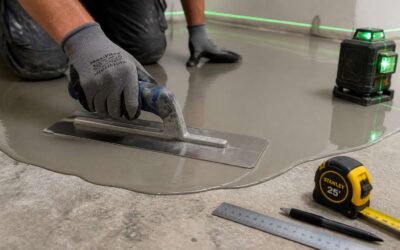
Two minutes can decide the difference between a flawless flat and a stubborn ridge. In concrete floor screeding, the installation process hinges on discipline—mixing, timing, and the right amount of moisture before the first inch is laid. Aim for a lump-free slurry, clean tools, and water measured to the mix design. Over-wetting or hurried pours invite voids and curling, while proper preparation keeps the moisture dynamics aligned with the South African climate. When the mix moves into formwork with consistent workability, the pour tells a steady story from edge to center.
Best practices unfold in three acts:
- Mixing to uniformity without trapped air
- Pouring with steady, continuous flow and edge control
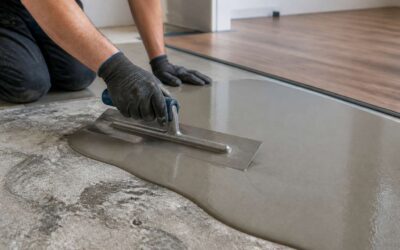
- Smoothing with a darby and float to true plane
Watch for a uniform sheen and minimal laitance as the screen of finish settles. This is the quiet craft of concrete floor screeding in action—precise, restrained, and enduring.
Trowelling, edging, and control joints
Across South Africa’s bustling builds, a truly level floor begins with discipline, not drama. A single moment of haste can betray an edge and leave a stubborn ridge. This is where concrete floor screeding becomes a quiet orchestra—precise, measured, enduring. The installation hinges on clean formwork, correct moisture balance, and a plan for edge control.
During the trowelling stage, a steady rhythm guides the hand. Edges are sharpened with careful passes, and control joints are planned to cradle shrinkage. A darby and float work in harmony until a true plane emerges, free of laitance and blemish.
Against the South African climate, uniform moisture and calm curing are essential. When the surface gleams evenly, the craft reveals itself—a quiet, enduring finish.
Curing, drying times, and moisture management
The installation of concrete floor screeding unfolds like a slow, deliberate duet: formwork clean, moisture balance sharp, and edges kept honest. A well-balanced pour yields a plane that speaks of craft rather than haste.
- Uniform ambient conditions support a predictable cure.
- Substrate moisture content guides the final surface behavior.
- Protective measures prevent rapid drying and laitance.
During curing and moisture management, uniform conditions matter in South Africa’s climate. A steady humidity and measured drying curve keep the surface compact and true, allowing the natural texture and sheen to emerge with quiet authority.
Quality control and common installation mistakes
“The floor you stand on is the final argument of a project,” a veteran foreman once said. In concrete floor screeding, the installation unfolds like a slow, deliberate duet—formwork set, moisture balanced, edges true. A balanced pour yields a plane that speaks of craft, not haste. In South Africa’s climate, uniform ambient conditions are the quiet partner keeping the surface honest.
Quality control underpins every decision: substrate readiness, moisture behavior, and the cleanliness of the form and finish. The risk lies in rushing, uneven edges, or misreads of material behavior—mistakes that haunt the floor under load and time. Patience and disciplined craft form the core best practices.
Safety and on-site logistics
In concrete floor screeding, installation unfolds as a carefully choreographed logistics dance: prep the site, stage materials, align trades, and protect finished edges. Safety and on-site discipline set the pace: PPE on every shift, clear radio chatter, and a touch of humour when the mixer pretends to audition for percussion. Even on a SA site where afternoon heat tests timing, calm is the best tool.
Key considerations for smooth execution:
- Material staging and moisture controls to keep the bed honest
- Clear access routes and vehicle movement to prevent bottlenecks
- Daily checks on cleanliness, edging readiness, and weather compatibility
Teamwork and timing matter most; a delayed boundary edge or rushed pour sabotages performance long after the pour has set. The craft of concrete floor screeding rewards patience.
Durability, Maintenance, and Performance
Impact and wear resistance of different screeds
Durability in concrete floor screeding hinges on the chosen mix and expected use. Dense cement-based screeds deliver strong, long-lasting floors, while wear-resistant finishes or toppings can dramatically extend service life in high-traffic areas. The right combination reduces future repairs in South Africa’s busy facilities.
- Aggregate hardness and particle size matter
- Bond to substrate for lasting performance
- Moisture control minimizes micro-cracks
Maintenance patterns—minimal but consistent—preserve performance and minimize staining and deterioration. A sealed surface resists chemical attack and keeps upkeep costs lower over time.
Performance in concrete floor screeding hinges on more than hardness. Wear resistance depends on screed type, finish compatibility, and how the floor absorbs abrasion, impact, and moisture fluctuations. A well-chosen system maintains flatness and resists early wear.
Surface finishes and sealers
Heavy foot traffic and relentless use don’t forgive weak floors. In concrete floor screeding, durability starts with the mix and a finish that can withstand South Africa’s bustling facilities. A dense, well-sealed screed—quiet as a shadow—resists indentation and premature wear, keeping downtime to a minimum and appearances sharp.
Maintenance remains minimal but deliberate. A sealed surface resists staining and chemical attack, lowering upkeep costs over time. Consider these finish/sealer approaches to sustain performance:
- Topical sealers for surface protection
- Penetrating sealers to guard the substrate
- Wear-resistant toppings to extend life
Performance depends on screed type, finish compatibility, and the floor’s ability to absorb abrasion, impact, and moisture swings. A well-matched system keeps flatness, reduces early wear, and preserves serviceability in high-traffic environments.
Maintenance routines and cleaning
Durability is the backbone of a productive floor. In South Africa’s bustling facilities, concrete floor screeding must endure heavy traffic and chemical exposure with minimal downtime. A dense, well-sealed screed—quiet as a shadow—resists indentation and premature wear, keeping serviceability sharp. Facility managers report up to 30% less downtime when the mix and sealant are harmonised.
Maintenance remains minimal but deliberate. A sealed surface resists staining and chemical attack, lowering upkeep costs over time. When selecting finishes, consider topical sealers for surface protection, penetrating sealers to guard the substrate, or wear-resistant toppings to extend life. A well-matched system preserves flatness and reduces the need for early repairs in busy zones.
Performance maintenance routines and cleaning require a steady cadence that matches traffic and climate. Regular dusting, prompt spill management, and timely resealing help keep concrete floor screeding performing at its best in demanding environments.
Repairing cracks and laitance
Heavy traffic, forklifts, and chemical splashes rarely derail a well-specified system. In South Africa’s busy facilities, concrete floor screeding delivers durability that acts as a quiet backbone—resisting indentation and premature wear while keeping serviceability sharp. When the surface is dense and properly sealed, the floor holds its flatness longer, tolerating scrapes and spills with less downtime and fewer costly interventions.
Maintenance stays economical when the surface is sealed and cared for. A sound finish resists staining and chemical attack, reducing upkeep over time. In practice, we’ve seen facilities benefit from regular inspections and periodic resealing to sustain performance in high-traffic zones.
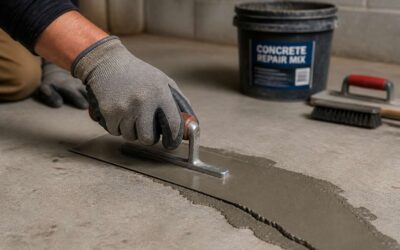
Cracks and laitance are warning signals that demand attention. Repairs should align with the substrate’s movement and bonding rules. Practitioners consider options such as epoxy or polyurethane injections, patch mortars, or laitance removal followed by a compatible topping to restore bond and surface integrity.
Moisture management and subfloor readiness for flooring installation
Durability under heavy traffic is the quiet backbone of concrete floor screeding. In South Africa’s busy facilities, a dense, well-sealed surface resists indentation and wear, keeping service downtime minimal. A properly cured screed stands up to forklifts and daily scrapes with steadfast confidence.
Maintenance stays economical when the surface is sealed and cleaned. A resilient finish resists staining and chemical attack, reducing upkeep. Regular inspections and resealing in high-traffic zones help preserve flatness and extend the life of the subfloor.
Performance moisture management and subfloor readiness determine post-screed success. Controlled moisture prevents bond failures when toppings are installed. A prepared substrate—dry, clean, and flat—accepts finishes with minimized risk. Check moisture content and surface profile, then align with compatible toppings.
Applications, Industry Standards, and Cost Considerations
Typical applications by industry
Applications for concrete floor screeding span busy warehouses to bright retail floors, where flatness and a solid base unlock performance and aesthetics. In South Africa, level substrates support heavy equipment, long-term durability, and the daily bustle of commerce. These surfaces lay the groundwork for smooth operations, trusted safety, and a sense of space that feels built to last.
- Warehousing and distribution centers
- Manufacturing floors
- Retail showrooms and public-facing spaces
Industry Standards: Industry standards govern how these screeds are formed and tested, prioritising flatness, moisture control, and proper curing. Compliance aligns with local codes and international best practices, ensuring readiness for finishes and enduring performance under traffic and loads.
Cost Considerations: Cost considerations depend on material choice, thickness, and site access. Cement-based screeds, fast-drying variants, and self-leveling options carry different price trajectories, with long-term durability and maintenance shaping the overall value of concrete floor screeding.
Standards and compliance (BS EN, ASTM)
Across South Africa’s busiest warehouses, factory floors, and bright retail spaces, concrete floor screeding acts as the stage setter. A level, solid base keeps heavy equipment moving, racking stable, and aesthetics intact—because a floor that’s not flat is a floor that isn’t performing.
Industry standards guide how these screeds are formed and tested, prioritising flatness, moisture control, and proper curing. Compliance aligns with BS EN 13813 and key ASTM tests, plus local codes, ensuring readiness for finishes and dependable performance under traffic and loads.
Cost considerations hinge on material choice, thickness, and site access. Cement-based screeds, fast-drying variants, and self-leveling options each follow different price trajectories, with long-term durability and maintenance shaping the value of concrete floor screeding.
- Material choice (cement-based, fast-drying, self-leveling)
- Thickness and substrate condition
- Site access and logistics
Cost factors: materials, labor, and timescales
Across South Africa’s bustling warehouses and showroom floors, concrete floor screeding serves as the firm footing for speed and safety. The level, smooth surface supports heavy machinery, racking, and the eye-line of a bright space; a flaw in flatness becomes a bottleneck in throughput.
Industry standards shape the choreography of screed work—quality assurance, traceability, and disciplined on-site checks that align with local codes and client specs. The result is a ready stage for finishes and dependable performance under traffic and loads.
Cost considerations hinge on three harmonies: materials, labour, and timescales. The choice between cement-based, fast-drying, or self-leveling mixes drives upfront spend; thickness and substrate condition tilt the bill, and site access choreographs the schedule.
- Materials
- Labour
- Timescales
Budgeting for screeding projects
Applications: In South Africa’s fast-moving warehouses and showroom floors, concrete floor screeding lays the firm footing where speed meets safety. A level, smooth surface keeps forklifts aligned and light bouncing through the space. When the screed is off, throughput stalls; when it’s right, operations hum!
Industry Standards: They choreograph the workflow, embedding quality assurance, traceability, and disciplined on-site checks that align with codes and client specs. They create a dependable platform for finishes and long-term wear.
Cost Considerations Budgeting: Cost considerations hinge on upfront decisions and site realities. Budgeting for screeding projects in SA means balancing material choices, labour rates, and the timescales dictated by access and curing windows. To keep the numbers honest, we use this simple checklist.
Choosing a screeding contractor: questions to ask
In South Africa’s fast-moving warehouses and showroom floors, concrete floor screeding lays the firm footing where speed meets safety. A level, smooth surface keeps forklifts aligned and light bouncing through the space. When the screed is right, operations hum.
Industry Standards choreograph the workflow, embedding quality assurance, traceability, and disciplined on-site checks that align with codes and client specs. They create a dependable platform for finishes and long-term wear.
Cost considerations shape material choices, labour rates, and curing windows. Choosing a screeding contractor for concrete floor screeding projects can clarify capability and timeline.
- What experience do you have with projects like ours, and can you share references?
- What screed mix do you recommend for our load, moisture, and temperature conditions?
- How do you handle site access, curing times, and weather-related delays?

0 Comments