Understanding Concrete Floor Damage and Its Causes
Types of Damage in Concrete Floors – Cracks, holes, spalling, and deterioration
Concrete floors, often underestimated in their resilience, are surprisingly vulnerable to a variety of damage caused by environmental stressors and heavy usage. In South Africa’s diverse climate, temperature fluctuations and moisture infiltration accelerate deterioration, making concrete floor hole repair a common necessity for maintaining structural integrity.
Understanding concrete floor damage begins with recognizing the different forms it can take. Cracks may appear due to ground movement or load stress, while holes often result from impact or corrosion of embedded reinforcements. Spalling occurs when the surface layer flakes away, exposing the inner concrete to further damage. Over time, general deterioration can compromise the floor’s safety and functionality.
Addressing these issues requires a keen eye for detail and a strategic approach. Damage types such as cracks, holes, spalling, and overall deterioration each demand specific repair techniques. Effective concrete floor hole repair, for example, involves cleaning out the damaged area thoroughly before filling it with high-quality patching compounds designed to withstand the South African climate. The goal is to restore both strength and aesthetics, ensuring longevity for years to come.
Common Causes of Floor Holes – Heavy impact, water infiltration, settles, and improper installation
Concrete floors may seem sturdy at first glance, but beneath the surface, they are vulnerable to a range of damaging forces that can compromise their integrity. In South Africa’s climate, where temperature swings and moisture infiltration are commonplace, understanding the root causes of concrete floor damage is vital for effective concrete floor hole repair. These vulnerabilities often manifest as unsightly holes or cracks, which not only diminish aesthetic appeal but also threaten safety and durability.
Common causes of floor holes include heavy impact from machinery or falling objects, water infiltration that erodes the internal structure, ground settling that shifts the foundation, and improper installation techniques that leave the surface susceptible to early wear. Sometimes, these issues develop gradually, but neglecting them can lead to extensive deterioration. Recognizing the specific cause behind each hole ensures that repairs are both targeted and long-lasting, maintaining the floor’s strength and functionality.
When addressing concrete floor hole repair, it’s important to consider the underlying factors. For instance, impact damage often leaves localized cavities, while water-related issues may cause more widespread deterioration. To prevent recurrent problems, a comprehensive assessment of the damage and its causes is essential. Properly executed repairs not only fill the holes but also reinforce the concrete, safeguarding against future damage and ensuring the longevity of your flooring investment.
Signs You Need Concrete Floor Hole Repair – Visible holes, uneven surfaces, and structural concerns
In the intricate tapestry of South Africa’s diverse terrains and climate, concrete floors often serve as silent guardians—steadfast, resilient, yet not invincible. Beneath their seemingly unyielding surface, subtle signs of distress quietly emerge, whispering tales of hidden vulnerabilities. Recognizing these signs early can mean the difference between a simple patch and a comprehensive concrete floor hole repair that ensures longevity and safety.
Uneven surfaces, visible holes, or unexpected dips in the floor are unmistakable clues that your flooring has suffered damage. These imperfections not only mar the visual harmony of your space but could also pose safety hazards if left unaddressed. A closer inspection might reveal structural concerns—cracks widening over time or fragments of concrete chipping away—indicators that damage has progressed beyond superficial flaws. In such cases, a skilled assessment becomes crucial to determine whether the root cause is impact, water infiltration, or ground settlement, guiding a targeted concrete floor hole repair that restores strength and stability.
Preparing for Concrete Floor Hole Repair
Assessing the Extent of Damage – Inspection tips and tools
Preparation is the silent symphony that precedes the grand performance of concrete floor hole repair. Before the first patch is applied, one must become a vigilant detective, scrutinizing every crack and crevice with a discerning eye. An accurate assessment of the extent of damage transforms a seemingly simple task into an artful pursuit. It’s essential to gather the right inspection tools—flashlights that pierce shadows, chisels to probe the depths, and moisture meters to unveil hidden infiltration. These instruments become your trusted allies, revealing the true story etched into the concrete’s surface.
To truly understand the scope of the damage, a thorough inspection should include checking for signs of water infiltration, which often lurks beneath the surface, weakening the foundation from within. Sometimes, the damage is subtle—tiny fissures that threaten future disintegration or larger holes that compromise structural integrity. An ordered approach, such as:
- Visual examination for cracks and spalling,
- Using moisture meters to detect dampness,
- Measuring the depth of the damage with probing tools,
- Documenting findings meticulously,
ensures no detail slips through the cracks. This meticulous preparation not only safeguards the longevity of the repair but also transforms the daunting task into a manageable mission. For those embarking on concrete floor hole repair, understanding the full extent of damage is the cornerstone of a resilient, enduring fix—an unyielding foundation built on knowledge and precision.
Gathering Necessary Materials and Tools – Concrete patch, bonding agent, trowel, safety gear
Preparation is the foundation of any successful concrete floor hole repair. Without the right materials and tools, even the most skilled craftsman struggles to achieve a lasting fix. Gathering essential items beforehand saves time and ensures a smooth process from start to finish. At the core of this preparation is selecting high-quality concrete patch and bonding agent, which are crucial for durability and adhesion. A sturdy trowel is indispensable for spreading and smoothing the patch, giving the repair a professional finish.
Equally important is safety gear—gloves, goggles, and masks—to protect against dust and fumes during the repair. For precision, consider using moisture meters to detect hidden dampness beneath the surface, preventing future issues. When working on concrete floor hole repair, it’s helpful to have a checklist. For example:
- Concrete patch
- Bonding agent
- Trowel
- Safety gear (gloves, goggles, mask)
- Moisture meter
Having these materials ready ensures every step in the repair process is efficient and effective. Proper preparation not only enhances the longevity of the repair but also reduces the risk of recurring damage. In South Africa, where environmental factors often influence concrete durability, investing in quality supplies and protective gear is essential for a resilient, enduring concrete floor hole repair.
Safety Precautions – Protective equipment and site safety measures
Safety isn’t just a box to tick when undertaking concrete floor hole repair—it’s the backbone of a successful project. Every step in the process demands vigilance, from donning the right protective equipment to securing the worksite. In South Africa’s varied climate, where dust and moisture are ever-present challenges, protecting yourself becomes even more critical. Wearing gloves, goggles, and masks not only shields you from debris and fumes but also ensures your focus remains sharp on the task at hand.
To promote a secure environment, establish clear site safety measures. Setting up barriers or warning signs can prevent accidental injuries, especially in busy or high-traffic areas. For those working in less controlled settings, consider using a moisture meter to detect hidden dampness beneath the concrete surface, preventing future failures of the concrete floor hole repair. Remember, a little extra caution today safeguards the durability of your repair tomorrow!
Step-by-Step Guide to Concrete Floor Hole Repair
Cleaning and Removing Debris – Ensuring a clean surface for optimal adhesion
Before embarking on any concrete floor hole repair, establishing a pristine surface is paramount. Dirt, loose debris, and dust can sabotage the bond between the existing concrete and the patching material. A thorough cleaning process transforms a neglected crevice into a foundation of strength and longevity. Imagine a dusty, neglected gap suddenly shimmering with potential—the first step toward restoring structural integrity and aesthetic appeal.
Start by removing loose debris from the hole using a sturdy brush or broom. For stubborn dirt or grease, a mixture of water and a mild detergent can be effective. Once the loose material is cleared, rinse the area with clean water to eliminate residual particles. Ensuring the surface is completely dry before applying any patching compound is crucial for effective concrete floor hole repair. Proper cleaning not only guarantees a seamless finish but also maximizes adhesion, making your repair durable and resistant to future damage.
To achieve optimal results, consider the following steps:
- Use compressed air or a vacuum to remove fine dust particles from the crevices.
- Inspect the hole for any crumbling edges or loose material that needs to be chiseled away.
- Apply a bonding agent if recommended, to enhance the adhesion of the patching material.
By meticulously preparing the surface, you set the stage for a successful concrete floor hole repair that will withstand the test of time and heavy use, restoring both safety and appearance to your space.
Preparing the Hole – Routing, chipping, or undercutting if necessary
When tackling concrete floor hole repair, preparation is everything—like the culinary equivalent of preheating your oven before baking. If you skip this step, your patch might look good but won’t hold up to South Africa’s rugged floors or the heavy foot traffic that often accompanies them. Sometimes, the damage calls for routing, chipping, or undercutting—think of it as giving your repair a proper foundation to grab onto.
To prepare the hole effectively, start by removing loose debris and any crumbling edges. For stubborn material, a chisel and hammer do wonders; just be sure to wear your safety gear—no one wants a flying chip in the eye. If the edges are uneven or jagged, undercutting the perimeter creates a bevel that helps the patch bond better and prevents future crumbling.
For a seamless repair, consider using a concrete patch and bonding agent—these are your best friends in concrete floor hole repair. Apply the bonding agent first, then carefully fill the hole, ensuring the patch material is well-compacted. A well-prepared hole isn’t just about looks; it’s the secret sauce to a durable, long-lasting fix that can withstand South Africa’s diverse climate and heavy use. Now, you’re all set for a repair that’s as tough as the terrain!
Applying Bonding Agent – Enhancing adhesion of repair material
Applying bonding agent is a crucial step in the concrete floor hole repair process, acting as the adhesive that transforms a patch into a permanent fixture. Without it, even the best patch material risks flaking, cracking, or worse—failure under heavy South African foot traffic. The bonding agent penetrates the porous surface of the existing concrete, creating a molecular bond that ensures your repair can withstand the trials of time and terrain.
To maximize adhesion, start by thoroughly cleaning the area—removing dust, grease, and loose debris. Once the surface is pristine, apply the bonding agent evenly with a brush or roller, ensuring complete coverage of the damaged zone and its perimeter. A second coat may be necessary for larger holes or uneven surfaces. Remember, patience pays off: allow the bonding agent to become tacky but not dry, setting the stage for a seamless, durable repair.
In some cases, an ordered approach can streamline the process:
- Prepare the surface with a wire brush or grinder for optimal porosity.
- Apply the bonding agent, following manufacturer instructions carefully.
- Wait until it reaches the right tackiness to ensure maximum adhesion.
- Fill the hole with the concrete patch, pressing firmly to eliminate air pockets.
Mastering the application of bonding agent is the secret to resilient concrete floor hole repair—one that can endure South Africa’s unforgiving climate and relentless use. Trust this essential step, and your repair will stand the test of time and terrain alike!
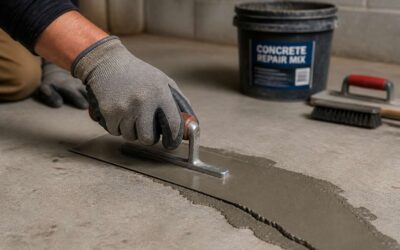
Filling the Hole with Concrete Patch – Mixing, applying, and troweling techniques
Filling the hole with a concrete patch is a vital phase in the concrete floor hole repair process. After thoroughly cleaning and preparing the damaged area, the next step is to mix the repair material to the right consistency. A well-mixed batch ensures the patch adheres seamlessly and cures with optimal strength. When applying the concrete patch, use a sturdy trowel to scoop and spread the mixture evenly into the void. Pressing firmly helps eliminate air pockets, which can compromise the durability of the repair.
For larger or irregularly shaped holes, it’s often beneficial to build up the patch in layers, allowing each to set before adding the next. This technique guarantees a stronger bond and a more uniform surface. Troweling the surface smooth is not just about aesthetics—it’s about creating a resilient, even surface that can withstand heavy South African foot traffic and environmental stresses. Mastering these concrete floor hole repair techniques ensures your repair stands the test of time, blending durability with a seamless finish.
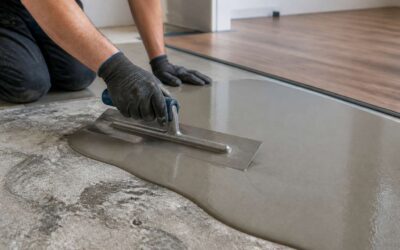
Smoothing and Finishing the Surface – Leveling and texturing for a uniform finish
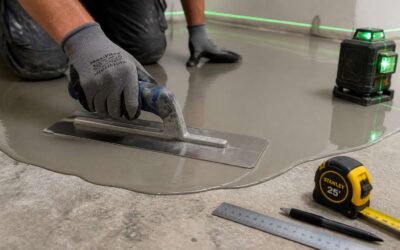
Smoothing and finishing the surface after concrete floor hole repair is a meticulous dance between precision and patience. Once the patch has been generously applied and pressed firmly into the void to eliminate air pockets, the next phase demands a delicate touch. Achieving a perfectly level and textured surface is crucial—not just for visual harmony but for enduring durability under South Africa’s demanding environmental conditions. A uniformly finished surface ensures that the repair seamlessly integrates with the existing flooring, preventing future weaknesses.
To attain this, employ a steel trowel or float to gently level the repair site, feathering the edges to blend seamlessly with the surrounding concrete. For a textured finish that enhances slip resistance, light stippling with a broom or brush can be beneficial. For larger holes or irregular shapes, layering the repair material in stages—allowing each layer to set—fortifies the bond and promotes structural integrity. The key to a resilient, long-lasting concrete floor hole repair lies in the detailed attention given to surface finishing, transforming a mere patch into a durable, almost invisible part of the floor’s surface. Such craftsmanship is essential to withstand South Africa’s diverse climate and foot traffic, reinforcing the importance of expert-level surface finishing techniques in every repair project.
Curing and Drying Times – Ensuring proper setting and strength development
Proper curing and drying are vital steps in concrete floor hole repair to ensure maximum strength and durability. After applying the patch, the concrete needs time to set and develop its full load-bearing capacity. Rushing this process can lead to weak spots or future cracks. Typically, curing takes at least 7 days, but it can extend depending on the thickness of the repair and environmental conditions.
During this period, maintaining consistent moisture levels is essential. Covering the repair with plastic sheeting or regularly moistening it with water prevents premature drying and cracking. For larger or more critical repairs, a curing compound can be applied to lock in moisture and promote uniform setting. Proper curing safeguards the integrity of the concrete floor hole repair, making it resilient against South Africa’s diverse climate and heavy foot traffic.
- Allow the patch to cure undisturbed for the manufacturer-recommended period.
- Avoid excessive stress or traffic over the repaired area during this time.
- Check the surface for any signs of cracking or moisture loss before resuming full use.
Understanding the importance of adequate drying and curing times ensures that your concrete floor hole repair will stand the test of time, reinforcing the floor’s structural stability and safety. Patience during this phase is key to a successful, long-lasting fix.
Choosing the Right Repair Products
Types of Concrete Patches – Quick-setting vs. slow-curing options
Choosing the right repair products for concrete floor hole repair is an art as much as it is a science. When selecting concrete patches, the decision often hinges on the urgency of the repair and the environment in which the hole resides. Quick-setting patches are the ideal choice when time is of the essence, offering rapid hardening that minimizes downtime and disruption. These fast-curing options are perfect for high-traffic areas where swift restoration is critical, providing an immediate barrier against further damage.
On the other hand, slow-curing concrete patches excel in scenarios demanding meticulous craftsmanship and superior adhesion. Their extended setting time allows for thorough finishing, ensuring a smooth, durable surface that withstands the test of time. For optimal results, understanding the nuances between these types of concrete patches can make all the difference in your concrete floor hole repair project, ensuring longevity and structural integrity.
Additives and Reinforcements – Fiber-reinforced mixes and waterproofing agents
Choosing the right repair products for concrete floor hole repair can elevate the durability and resilience of your flooring. Additives such as fiber-reinforced mixes are transforming the way we approach repairs—these blends incorporate tiny fibers that bolster the structural integrity, reducing the likelihood of future cracks or holes. Waterproofing agents are equally crucial, especially in environments prone to moisture infiltration, as they create an impermeable barrier that protects against water damage and deterioration.
Integrating these elements into your repair process ensures a seamless and lasting fix, but selecting the appropriate additives requires understanding their unique benefits. For example, fiber-reinforced mixes provide an extra layer of reinforcement, making the repair more resistant to impact and structural stress. Waterproofing agents, on the other hand, shield the repaired area from water ingress, which is often a catalyst for recurring problems in concrete floor hole repair. When combined thoughtfully, these materials elevate the overall quality of your repair, safeguarding your investment for years to come.
For enhanced strength, consider using a concrete floor hole repair product that already includes fiber reinforcement. Alternatively, applying a waterproofing agent as a topcoat or additive can dramatically extend the lifespan of your repair, especially in high-moisture environments. The synergy of these specialized products ensures your concrete repair isn’t just a patch—it’s a resilient barrier against the relentless forces of nature and wear. In the realm of concrete floor hole repair, innovation and precision are your best allies in restoring both form and function.
When to Consult a Professional – Complex or large-scale repairs
Choosing the right repair products for concrete floor hole repair is essential to ensure lasting durability and structural integrity. When dealing with complex or large-scale repairs, it’s often wise to consult a professional. Large cracks or extensive damage can compromise safety and may require specialized techniques and materials that only experienced contractors can provide. They possess the expertise to assess the damage accurately and select the most effective solutions, saving you time and preventing future problems.
If you’re tackling smaller repairs, understanding the variety of products available is key. For instance, some concrete patch products come pre-mixed with fiber reinforcement—adding extra strength right out of the box. In more demanding environments, integrating waterproofing agents as a topcoat or additive can dramatically extend the lifespan of your concrete floor hole repair, especially where moisture is a persistent issue.
Remember, when in doubt about the scope or complexity of the damage, it’s best to seek professional advice. Their insight ensures the repair not only looks good but also withstands the test of time, weather, and wear—protecting your investment in the long run.
Preventative Measures and Maintenance
Sealing and Waterproofing Your Concrete Floor – Protection against moisture and damage
Protecting your concrete floor from future damage begins with effective preventative measures. Sealing and waterproofing your concrete floor is essential to ward off moisture infiltration, which is a common culprit behind floor holes and deterioration. Waterproofing products act as a barrier, preventing water from seeping into the porous surface and causing cracks or spalling over time.
Applying a high-quality sealer not only prolongs the lifespan of your concrete floor but also preserves its structural integrity. Regular maintenance, such as inspecting for early signs of wear and promptly sealing new cracks, significantly reduces the need for extensive concrete floor hole repair down the line. Remember, a proactive approach keeps your floors strong and resilient, saving you both time and money in the long run.
Regular Inspection Tips – Early detection of cracks and holes
Ignoring the early signs of damage in your concrete floor is like leaving a ticking time bomb—eventually, those tiny cracks evolve into full-blown holes that can compromise safety and aesthetics. Regular inspection is your best defense against costly repairs. Aim to check your floors at least once every few months, especially after heavy rainfall or significant impacts. Look out for hairline cracks or uneven patches—they’re often the first clues that something’s brewing beneath the surface.
To make these inspections more effective, keep a simple checklist handy: check for moisture spots, loose debris, and any signs of settlement. Using a flashlight can reveal hidden cracks lurking in shadowy corners. Remember, early detection of cracks and holes not only simplifies the concrete floor hole repair process but also preserves the structural integrity of your space. Think of it as giving your floors a preventive health check — better to catch issues early than to face a crumbling disaster later. And with a proactive approach, you’ll save both money and stress in the long run!
Maintenance Best Practices – Cleaning and minor repairs
In the shadowy realm of concrete floor maintenance, prevention is the silent guardian against chaos. Regular cleaning and vigilant minor repairs serve as your first line of defense, thwarting the insidious creep of damage before it takes hold. Dust, debris, and moisture are the silent enemies that weaken the integrity of your floors, making routine upkeep paramount. A simple sweep or mop can reveal lurking imperfections—hairline cracks or tiny holes—that, if left unchecked, spiral into costly repairs.
To bolster your efforts, consider adopting a structured maintenance regimen. An effective approach could involve a straightforward checklist: inspecting for moisture spots, loose debris, and uneven patches. Addressing these issues promptly prevents deterioration and preserves the beauty of your concrete surfaces. Additionally, applying protective sealants and waterproofing agents regularly creates an impermeable barrier, safeguarding against water infiltration—the silent destroyer of concrete structures.
- Clean the surface thoroughly, removing all debris and stains.
- Identify and repair minor cracks using suitable concrete patching compounds.
- Seal the entire floor with a high-quality waterproofing agent to prevent future water infiltration.
By integrating these best practices into your routine, you cultivate a fortress of resilience around your concrete floors. Each small repair and diligent cleaning session is a step toward avoiding the chaos of extensive concrete floor hole repair—saving both time and treasure, and keeping your domain steadfast against the relentless march of decay.
Cost and Time Considerations for Concrete Floor Hole Repair
Factors Influencing Cost – Extent of damage, material choice, labor costs
When it comes to concrete floor hole repair, understanding the cost and time considerations can save you both money and frustration. The extent of damage is a primary factor influencing the overall expense—larger or more complex holes demand more materials and labor, naturally elevating the price. Material choice also plays a crucial role; quick-setting concrete patches might cost more initially but can significantly reduce repair time, minimizing downtime on your property.
Labor costs in South Africa vary based on the project’s scope and the expertise required. For smaller, straightforward repairs, DIY solutions may be feasible, but larger or more intricate damage calls for skilled professionals with specialized tools. Typically, repair projects can range from a few hours to several days, depending on the size of the hole and the curing times needed for the chosen concrete patch. Remember, rushing the curing process may compromise the durability of your concrete floor hole repair, leading to more frequent issues down the line.
Average Cost Estimates – DIY vs. professional repair pricing
Cost and time considerations for concrete floor hole repair are often what sway decisions from the initial inspection to the final curing stage. In South Africa, the average cost for DIY repair of small holes may hover around R500 to R1,500, depending on the materials used. Conversely, engaging a professional for more complex or larger-scale concrete floor hole repair can escalate expenses into the R3,000 to R10,000 range or higher. This price differential is primarily driven by the extent of damage, material choices, and labor complexity.
Time-wise, minor repairs might be completed within a few hours, especially if quick-setting concrete patches are employed. Larger repairs, however, can extend over several days, incorporating curing and drying times that are crucial for durability. Remember, rushing the process can compromise the integrity of your repair—proper curing ensures long-lasting results. When planning a concrete floor hole repair, understanding these cost and time nuances can help you allocate resources wisely, whether opting for a DIY approach or hiring skilled professionals.
Expected Timeline for Repairs – From assessment to curing
Understanding the expected timeline for concrete floor hole repair is vital for anyone seeking to restore their flooring’s integrity without unnecessary disruption. From initial assessment to final curing, each phase demands meticulous attention to detail, yet the process can vary significantly based on the scale and complexity of the damage. A small, straightforward repair might be completed within a few hours, especially with quick-setting concrete patch materials. However, larger or more intricate repairs require patience, often extending over several days, to ensure optimal durability.
During the curing stage, the concrete must endure a carefully managed drying period—skipping this step risks compromising the entire repair. Proper curing not only strengthens the patch but also safeguards against future deterioration, which is especially pertinent in South Africa’s diverse climate conditions.
- Surface preparation
- Application of bonding agents
- Filling with suitable concrete patch
These steps are crucial in ensuring the longevity of your concrete floor hole repair, and rushing through them can undermine the project’s success. Whether opting for a DIY approach or trusting professionals, understanding the timeline intricacies can make all the difference in achieving a resilient, long-lasting result.
Hiring a Professional for Concrete Floor Hole Repair
When to Hire Experts – Large or structurally critical holes
When a seemingly minor crack or hole develops in a concrete floor, it can quickly escalate into a structural concern—particularly if the damage is large or located in a load-bearing area. This is exactly when hiring experts for concrete floor hole repair becomes not just advisable but essential. The integrity of your space depends on precision, proper materials, and the right techniques—elements that only seasoned professionals possess. Attempting a DIY fix on large or complex holes risks compromising safety and longevity.
For significant or structurally critical holes, enlisting the help of experienced specialists ensures that the repair will withstand the test of time. These professionals utilize specialized tools and advanced methods, such as routing, undercutting, and reinforcement, to restore the concrete’s original strength. Remember, the goal isn’t just a quick fix but a durable solution that maintains the safety and functionality of your space.
- Structural integrity is paramount; large or load-bearing holes demand expert assessment.
- Professional repair guarantees adherence to safety standards and long-term durability.
- Skilled technicians can customize solutions, incorporating additives and reinforcements for superior results.
Choosing professional concrete floor hole repair is a decision rooted in foresight, ensuring the longevity of your floors and safeguarding your investment. When it comes to large or critical holes, the stakes are too high to leave to chance or amateur efforts. Trusting experts guarantees peace of mind and a resilient, safe environment for years to come.
How to Choose a Concrete Repair Contractor – Credentials, reviews, and experience
When it comes to concrete floor hole repair, choosing the right contractor is paramount. A single misstep can jeopardize the structural integrity of your entire space. With the construction industry in South Africa becoming increasingly sophisticated, it’s essential to evaluate potential repair specialists with a discerning eye. Credentials, experience, and a stellar reputation are the foundation of a trustworthy contractor. Don’t simply rely on word of mouth—delve into reviews and ask for proof of previous work to gauge their expertise.
In fact, an experienced contractor will have a portfolio demonstrating mastery in complex repairs, including large or load-bearing holes. To streamline your selection process, consider this:
- Verify licensing and certifications to ensure compliance with local safety standards.
- Review customer testimonials and seek out case studies relevant to concrete floor hole repair.
- Assess their familiarity with advanced repair techniques, such as reinforcement and specialized patching materials.
By prioritizing these factors, you not only safeguard your investment but also ensure that the repair stands the test of time. Remember, the most skilled contractors understand the nuanced demands of concrete floor hole repair, blending technical prowess with a meticulous approach. Ultimately, choosing a professional isn’t just about fixing a hole—it’s about restoring confidence in the resilience of your concrete floors.
Questions to Ask Before Hiring – Warranty, timeline, and cost estimates
Choosing the right contractor for your concrete floor hole repair can mean the difference between a durable fix and recurring issues. Before signing on the dotted line, asking the right questions is crucial. How long will the repair take? What is the estimated cost? And most importantly, what warranty do they offer? These details protect your investment and ensure peace of mind.
Reputable professionals should provide clear cost estimates and a realistic timeline. A thorough contractor will also discuss warranty coverage, giving you confidence that the repair will withstand daily wear and tear. Don’t hesitate to inquire about their experience with similar projects, especially those involving large or load-bearing holes. Ensuring they stand behind their work with a solid warranty is a key factor in selecting a reliable team for your concrete floor hole repair.

0 Comments