Fundamentals of Concrete Floor Repair
Understanding Types of Concrete Floor Damage
In South Africa’s bustling warehouses, floors bear more than weight—they carry time. A striking 60% of floor issues begin as tiny cracks that quietly creep into costly downtime! Understanding the fundamentals of concrete floor repair equips managers to act before small faults become big expenses. This is where concrete floor surface repair strategies start, blending science with practical know-how.
Knowing the types of damage helps tailor interventions.
- Hairline cracks from shrinkage
- Spalling and flaking surfaces
- Delamination or hollow spots
- Surface scaling or abrasion damage
Key Repair Methods for Floors
South Africa’s warehouse floors are a quiet ledger of time and traffic—downtime often starts with a hairline crack that grows under load. Industry studies show up to 40% of production slowdowns trace back to subtle floor wear. A practical approach to concrete floor surface repair begins with clean, stable substrates and controlled moisture, setting the stage for lasting performance under daily use.
Fundamentals rely on precise preparation and choosing the right tool for the job. Among core approaches, consider the following methods to restore surface integrity:
- Crack injection with epoxy or polyurethane to seal movement and deter dust and moisture.
- Cementitious patching and levelling for hollows and pitted areas.
- Resurfacing with polymer-modified concrete for a uniform, durable finish.
- Protective coatings or densifiers to boost abrasion resistance and longevity.
Used together, these measures form a practical concrete floor surface repair strategy that minimizes downtime.
Assessing Structural Integrity vs Cosmetic Damage
Across South Africa’s busiest floor spaces, a hairline crack is more than cosmetic—it’s a forewarning. In SA warehouses, downtime can climb by up to 15% when floors show minor wear. This is where concrete floor surface repair decisions begin, shaping uptime tomorrow. Subtle wear can silently erode productivity long before visible damage appears.
Fundamentals of Concrete Floor Repair emphasize assessing structural integrity versus cosmetic damage. When the problem threatens load-bearing capacity, concrete floor surface repair won’t merely disguise it; it restores confidence in the floor’s lifecycle.
- Structural indicators: wide cracks under load, slab settlement, voids or hollow sounds when tapped
- Cosmetic indicators: shallow fissures, dusting, discoloration, or surface texture changes
A careful audit of moisture and substrate stability completes the picture. We weigh whether movement is ongoing and how service loads will interact with the substrate in a busy SA environment.
Materials and Safety Considerations in Floor Repairs
Factories in SA’s busiest hubs feel downtime bite: a hairline crack today can echo into hours of lost productivity tomorrow. The right materials and cautious safety planning are non-negotiable.
Core materials for concrete floor surface repair include:
- Cementitious repair mortars
- Epoxy resins
- Moisture barriers
Safety is not an afterthought. PPE, dust control, and ventilation when resins are used protect workers and preserve the job’s future performance in busy SA environments.
Material compatibility and safe handling ensure the repair remains resilient under heavy traffic.
Common Terminology in Concrete Restoration
Factories across South Africa watch downtime gnaw at production lines—some facilities report up to 5% lost output each month due to floor wear. In the realm of concrete floor surface repair, fluency in common terminology is your quiet power. Substrate, laitance, adhesion, and curing are not filler words; they map the journey from assessment to repair with confidence.
- Substrate — the base concrete that carries the repair and supports the patch.
- Laitance — a thin, creamy layer of fine cement that can block bonding.
- Adhesion — the strength of the bond between repair material and substrate.
- Bond coat — a preparatory layer that improves adhesion between substrate and patch.
- Curing — the controlled moisture and temperature process that develops strength in the patch.
- Capillarity — the movement of moisture through pores that can undermine durability if unmanaged.
Assessment and Planning for Concrete Floor Repairs
On-site Inspection Checklist
Productivity hinges on the unseen: the floor that supports every footprint and pallet, sometimes speaking in a faint creak like a whispered warning. “A floor is the backbone of a productive shift,” a veteran SA foreman once told me. For concrete floor surface repair, the real work begins with a crisp on-site assessment and planning that defines scope, cost, and schedule before a tool is touched.
On-site inspection checklist:
- Area map and traffic patterns identifying priority zones
- Moisture indicators and substrate condition (cracks, laitance, delamination)
- Coatings or toppings and their compatibility with repair products
- Evidence of moisture or chemical exposure affecting cure and bond
- Photographs and measurements documenting the current state
With findings documented, planning becomes actionable: clearly defined acceptance criteria; selection of repair methods aligned with end-use; a sequencing plan with phased access and containment considerations; and defined curing times, environmental controls, and safety requirements.
Moisture Testing and Subfloor Readiness
Moisture is a quiet saboteur in construction—appearing harmless until it isn’t. A veteran SA foreman once noted, ‘Plan before patching, or downtime pays you back in callbacks.’ In assessment and planning for concrete floor repairs, moisture testing and subfloor readiness reveal what the floor can truly endure and the timing it demands.
Moisture testing informs the choice of primers and compatible repair products, while subfloor readiness examines porosity, laitance, and surface cleanliness. A concise view can be captured by considering:
- Moisture test outcomes guiding substrate preparation and product compatibility
- Subfloor porosity, laitance, and surface contaminants that affect adhesion
- End-use environment, ventilation, and curing conditions impacting performance
With these elements aligned, the project transitions from assumption to intention, establishing a clear course for concrete floor surface repair—one that respects cure times, temperamental climates, and the end-use environment. This approach helps keep schedules realistic and the resulting floor durable.
Budgeting: Labor, Materials, and Downtime
Budget is the quiet architect of durability. A veteran foreman once said, ‘Plan before patching, or downtime pays you back in callbacks.’ In assessing concrete floor surface repair, budgeting weighs labour, materials, and downtime against the floor’s expected lifespan and the facility’s operating rhythms.
- Labour costs, crew efficiency, and overtime implications
- Material grades, compatibility, and waste management
- Downtime costs, site access, and disruption to operations
When those drivers align, the plan respects cure times, climate quirks, and the end-use environment. The budget becomes a mirror of reality, not a wish list, ensuring the concrete floor surface repair endures beyond the patch and serves long after the hammer has quieted.
Project Scope and Timeline
A crisp scope is the compass for concrete floor surface repair. In South Africa’s bustling facilities, downtime costs climb by up to 30% when scope drifts—a statistic that makes precision feel almost poetic. A well-defined plan sharpens the lens from initial audit to final finish, turning chaos into a measurable path.
Assessment and planning map the project scope and timeline with clarity.
- Current condition snapshot and load-bearing considerations
- Access routes, sequencing, and safety bottlenecks
- Material lead times, cure windows, and approval milestones
With these anchors, the repair narrative threads smoothly from start to seal. The timeline becomes a rhythm, not a rush, and the end result endures beyond the last hammer toll.
Prioritizing Repairs by Severity and Use
Downtime climbs by up to 30% in South African facilities when scope drifts, a statistic that underlines urgency. Assessment and planning serve as a compass, guiding concrete floor surface repair toward the sternest needs first. By weighing damage severity against functional use, facilities transform chaos into a rational sequence, where critical zones lead and routine surfaces follow. Precision here saves budget and downtime, turning pressure into measurable progress.
- Damage severity: cracking depth, spalling, moisture ingress
- Usage priority: high-traffic zones, essential load paths
- Safety impact: trip hazards, chemical exposure
- Downtime implications: repair windows, sequencing flexibility
The plan maps a practical path: current condition snapshot reframed as load-bearing narratives, entry points and task order minimized for risk, and windows governed by material lead times, cure periods, and governance milestones. The resulting timeline treats downtime as rhythm, not rush, threading repair through to a durable finish.
Repair Techniques for Concrete Floors
Crack Repair: Injection and Patching
Cracks in a floor aren’t merely blemishes; they are a conversation between time and substrate. For concrete floor surface repair, injection and patching stand as the two most respected techniques, balancing strength and timing. In South Africa’s busy workshops and warehouses, these methods keep traffic moving while preserving long-term integrity.
- Epoxy injections restore structural cracks with high bond strength.
- Polyurethane injections seal active leaks and accommodate movement.
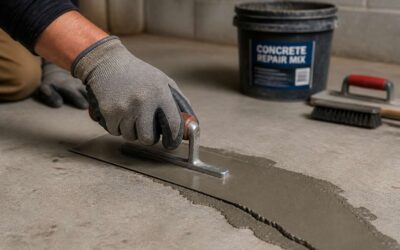
- Cementitious patching blends with existing concrete for non-structural imperfections.
When chosen thoughtfully, these repairs honor the floor’s service life, balancing strength with flexibility. The right mix respects the substrate, keeps downtime reasonable, and lets daily operations keep humming.
Surface Leveling with Self-Leveling Compounds
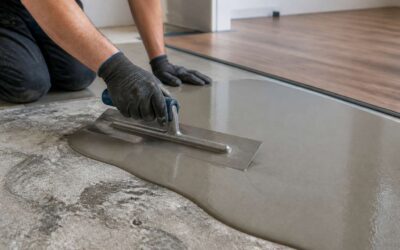
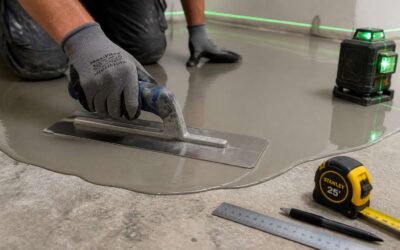
Floor leveling rarely makes the brochure, but a misaligned slab can derail a shift in seconds. Self-leveling compounds glide into cracks and low spots, creating a nearly flawless canvas for durable service. In South Africa’s bustling workshops and warehouses, precise leveling trims downtime and lengthens the life of those concrete floor surface repair efforts.
Key to success is substrate prep, priming, and a careful pour—no slapdash skim.
- Substrate preparation standards: clean, dry, and crack-free; moisture assessment
- Bonding and flow control: primers and compatibility with the concrete
- Mix consistency and pour strategy: slump, workability, and even distribution
- Curing conditions and traffic management: protecting the surface during cure
When done right, self-leveling compounds cure to a robust, level finish that keeps heavy loads moving and supports concrete floor surface repair longevity.
Grinding, Honing, and Polishing for Flatness
“Flat is fast,” a seasoned supervisor proclaims, and in South Africa’s busy warehouses that edge matters. In concrete floor surface repair, grinding, honing, and polishing carve a path with an almost spectral precision that keeps traffic flowing and floors lasting longer.
Grinding removes high spots; honing refines texture; polishing yields a flat, durable surface. Together they deliver a surface that stands up to heavy loads and frequent cleaning—crucial for South Africa’s demanding industrial floors.
Key considerations:
- Tooling that ensures consistent finish
- Dust control and safe edge work
- Uniform progression from coarse to fine
Done with care, the surface remains flat under traffic, a quiet testament to repair done right in SA.
Epoxy and Polyurethane Coatings for Durability
South Africa’s warehouses are unforgiving: rough patches cost productivity fast. Epoxy and polyurethane coatings form a tough shell that resists chemical spills, traffic wear, and the humidity these sites wrestle with. When we think about repair strategies, coating choice is where the tempo starts—durability, cleanliness, and uptime all ride on it.
Prep is where the magic happens: degrease, profile the surface for a solid key, and address joints and small cracks before anything sticky is laid down. This is followed by careful adhesion testing and a dust-free environment to keep finish consistent and streets ahead of chatter.
- Epoxy coatings: exceptional hardness and chemical resistance for heavy-traffic areas.
- Polyurethane coatings: flexibility, abrasion resistance, and better skid resistance.
- Hybrid epoxy-polyurethane systems: a balanced solution for mixed loads and moisture-prone spaces.
With proper application and ongoing maintenance, these systems keep floors looking sharp and performing under load. This is all part of concrete floor surface repair.
Crack Prevention and Control Measures
Across South Africa’s industrial spaces, hidden micro-cracks and stubborn joints quietly steal uptime. A single compromised patch can cascade into slips, spills, and stalled productivity. For concrete floor surface repair, prevention sets the tempo—proper prep, moisture control, and timely sealing keep the surface resilient under heavy loads.
Key measures to deter cracks and keep floors flat include the following control steps:
- Seal all joints and cracks promptly to prevent moisture intrusion and salt migration.
- Manage moisture at the source with proper drainage and vapor barriers.
- Schedule regular surface inspections to catch early signs before they widen.
Implemented together with a clean, dust-free environment, these measures sustain durability and uptime in the long run!
Finishing, Sealing, and Maintenance
Choosing Sealers and Protective Finishes
Finish matters as much as the crack. For concrete floor surface repair, selecting the right finishing and sealing regime can transform a tired slab into a durable workhorse—I’ve seen it. In South Africa’s busy spaces, a well-chosen finish reduces downtime, simplifies maintenance, and defies wear.
- Foot traffic and cleaning frequency
- Exposure to oils, solvents, and chemicals
- Moisture management and substrate stability
Choosing wisely supports long-term performance and keeps the project aligned with budget and timeline.
Maintenance is not a one-off act but a rhythm! For concrete floor surface repair, maintain this mindset and keep that seal intact. Schedule light cleaning, monitor wear patterns, and respect humidity swings; surfaces that breathe with the environment resist cracking.
Mortar and Overlay Compatibility
Finish matters as much as the crack, and in concrete floor surface repair, a thoughtful finish can rewrite a slab’s story. In South Africa’s bustling spaces, the right sealant and texture cut downtime and extend wear life. A penetrating or film-forming seal sets the tone for cleanliness, slip resistance, and maintenance ease, even under harsh cleaners and heavy traffic!
- Moisture management and vapor transmission
- Adhesion between overlays and substrate
- Chemical and abrasion resistance in real-world settings
Maintenance is a rhythm, not a ritual. As you consider mortar or overlay compatibility, think of the floor as a living surface that breathes with its environment—temperatures, humidity, and use all coaxing a stable finish. When designed to mingle with the substrate, repairs stay quieter, longer, and truer—concrete floor surface repair becoming a durable workhorse rather than a temporary fix.
Protective Measures to Extend Life
Finish is the polite handshake of a repaired slab—firm, predictable, and capable of withstanding the daily tango of traffic. In South Africa’s bustling spaces, a thoughtful finish cuts downtime and extends wear life, turning a repaired surface into a durable stage for work and everyday bustle.
Sealing choices set the tone for cleanliness, slip resistance, and maintenance ease. A penetrating seal helps moisture breathe without clouding the look; a film-forming coat stands up to tougher cleaners and heavier foot traffic; texture can be tuned to hide micro-blemishes from a distance.
Maintenance is a rhythm, not a ritual. The most enduring concrete floor surface repair projects stay quiet and true when designed to mingle with the substrate—temperatures and humidity whispering encouragement rather than rebellion. With the right finishing approach, the floor remains a reliable workhorse long after the last coat cures.
Routine Maintenance Schedule and Tips
Fresh in the morning, a shop floor speaks volumes. In South Africa’s busy spaces, the right finish can shave hours off downtime and stretch wear life. Finishing—the polite handshake of a repaired slab—gives the floor a firm, predictable edge that stands up to daily traffic!
Sealing choices set the tone for cleanliness, slip resistance, and maintenance ease. A penetrating seal lets moisture breathe without clouding the look; a film-forming coat resists tougher cleaners and heavy footfall; texture can disguise micro-blemishes from a distance, preserving a professional appearance.
Maintenance is a rhythm, not a ritual. When a concrete floor surface repair is planned to mingle with the substrate—temperatures and humidity whispering rather than shouting—the floor stays reliable long after the last coat cures.
Repair Documentation and Record Keeping
Finishing is the quiet punctuation mark after every repair. It shapes perception, guiding the eye toward even texture and consistent colour. In South Africa’s busy spaces, the finishing touch after concrete floor surface repair communicates professionalism and readiness for heavy use.
Sealing choices play a crucial role in maintenance ease. A penetrating seal lets the floor breathe, while a film-forming coat stands up to tougher cleaners and foot traffic. Texture can mask micro-blemishes from a distance, preserving a professional look.
Maintenance Repair Documentation and Record Keeping turns memory into accountability. Keep a simple log of when repairs were performed, what materials were used, and the environmental conditions at cure. This record supports future planning and audits, ensuring a predictable lifecycle!
- Date and time of repair
- Materials and coatings used
- Sealant type and curing conditions
- Observed substrate conditions and follow-up maintenance window
Hiring the Right Contractor and DIY Guidance
When DIY Is Feasible vs When to Hire a Pro
Downtime costs South African warehouses up to 25% of monthly output when floors fail, a stark hook for any discussion of concrete floor surface repair. The floor speaks in hairline cracks and uneven patches, and a skilled contractor hears what those flaws whisper about durability and value.
Hiring the right contractor means more than a price tag. Seek licensing, insurance, and a proven SA portfolio of concrete floor surface repair projects. Request references and a written warranty that covers workmanship and materials.
- Licensed and insured professionals with local experience
- Verifiable references and SA concrete floor surface repair project examples
- Clear, written warranty and post-project support
DIY guidance: for minor surface refinishing or sealing, a confident DIYer may proceed; for cracks, moisture, or structural concerns, hire a pro. Repair outcomes benefit from professional assessment when questions of safety and longevity arise.
Verifying Licenses, Insurance, and Guarantees
Choosing the right contractor for concrete floor surface repair is the hinge between uptime and the slow bleed of downtime. A licensed, insured professional with local SA experience translates codes into durable performance, turning hairline cracks and tired patches into floor space that holds its promise. In the hands of such a craftsman, workmanship becomes a written covenant, protecting both value and peace of mind long after the invoice is paid.
- Licensed and insured professionals with local SA experience
- Verifiable references and South African concrete floor surface repair project examples
- Clear, written warranty and post-project support
For the DIY crowd, minor refinishing or sealing may be feasible; cracks, moisture, or signs of structural trouble deserve a pro. Repair outcomes shine brightest when safety and longevity are considered from the start.
Tools, Safety Precautions, and Setup
Hiring the right contractor is a decision that pays for itself in uptime here in SA. A clear scope and practical timelines keep projects on track and cut costly downtime short. It’s the difference between a quick patch and a durable floor that stands up to everyday use.
For DIY guidance on concrete floor surface repair, start with a safe workspace, simple material choices, and realistic cure times. When you hire a pro, insist on a written scope, a credible warranty, and post-project support.
- PPE: gloves, goggles, respirator
- Dust control and ventilation
- Organised workspace and containment
Warranty, Aftercare, and Documentation
In South Africa’s fast-moving facilities, a well-structured concrete floor surface repair plan is a shield against downtime and a passport to uptime. The right contractor can turn a fragile patch into a durable surface that withstands daily traffic and heavy loads.
- Written warranty with clear duration, coverage, and conditions
- Post-project follow-up checks and a straightforward escalation path
- Comprehensive documentation: scope letters, material data sheets, and care guidelines
When you hire, demand a written scope, a credible warranty, and post-project support—these elements anchor accountability and keep milestones on track.
For DIY guidance, the focus shifts to preserving warranty, planning for aftercare, and maintaining a simple documentation trail. I’ve seen how a tidy repair log and photo record can save headaches when future refurbishments roll around.
Selecting Product Brands and Materials for Your Project
In South Africa’s fast-paced facilities, every stalled floor costs thousands in downtime. For concrete floor surface repair, you need a plan as solid as the concrete itself—whether you hire a pro or DIY.
When selecting a contractor, demand a formal scope, a credible warranty, and post-project follow-up. Look for licensed, insured teams with transparent methods and references. A clear path keeps milestones on track and uptime protected.
- Licensed and insured contractors
- Detailed materials and method statements
- References and case studies
For DIY readers, preserve warranty by sticking to approved products for concrete floor surface repair, documenting the process, and building a simple log and photo trail.
Choosing product brands and materials is about compatibility and longevity. Favor reputable brands with local availability, clear datasheets, and safety data sheets (SDS). Check environmental and slip-resistance ratings, and ensure they suit South Africa’s climate.

0 Comments