Understanding Concrete Floor Paint
Definition and Purpose – What is concrete floor paint and why is it used?
In the vast tapestry of architectural transformation, few elements possess as much potential to redefine a space as concrete floor paint—an alchemist’s potion that turns cold, unyielding slabs into canvases of expression. This specialized coating is more than mere decoration; it is a shield, a safeguard against wear and tear, and a testament to resilience. When applied with precision, concrete floor paint elevates practicality into artistry, infusing durability with a splash of aesthetic allure.
Understanding the purpose behind concrete floor paint reveals its true essence. It’s designed to withstand the relentless assault of foot traffic, machinery, and the elements—preserving the integrity of the underlying concrete while offering a palette of vibrant or subdued hues. For industrial warehouses, garages, or even stylish basements, this paint acts as a barrier—resisting stains, moisture, and peeling, while transforming the mundane into a masterpiece. Truly, concrete floor paint is the silent guardian of longevity, blending function and beauty seamlessly.
Common Types of Concrete Floor Paint – A review of water-based, epoxy, acrylic, and polyurea paints
Within the realm of concrete floor paint, a fascinating spectrum of formulations exists—each tailored to meet specific needs and environments. Water-based paints, celebrated for their ease of application and low VOC emissions, are often preferred for indoor settings where air quality is paramount. Their quick drying times and vibrant color options make them a versatile choice for garages or basement finishes in South Africa’s diverse climate.
Epoxy paints, by contrast, embody resilience and chemical resistance, making them indispensable in industrial warehouses or commercial spaces where durability is non-negotiable. Their robust nature transforms mundane concrete into a surface capable of withstanding relentless wear and tear, resisting stains and moisture with unwavering fidelity. When applied correctly, epoxy creates an almost seamless, glossy finish that exudes a professional aesthetic.
Meanwhile, acrylic concrete floor paint strikes a delicate balance between affordability and performance. Its flexibility allows for expansion and contraction of concrete slabs without cracking, ideal for outdoor patios or driveways. Polyurea coatings, the emerging marvel in the field, boast rapid curing times and exceptional toughness, providing a modern solution for high-traffic areas demanding both strength and aesthetic appeal.
- Water-based concrete floor paint
- Epoxy concrete floor paint
- Acrylic concrete floor paint
- Polyurea concrete floor paint
Each type of concrete floor paint offers a unique set of virtues, ensuring that whether the goal is long-lasting industrial strength or a quick, vibrant splash of color, there’s an ideal solution waiting to elevate any concrete surface in South Africa’s varied landscape.
Benefits of Using Concrete Floor Paint – Durability, appearance, protection, and cost-effectiveness
Concrete floor paint isn’t merely a splash of color on a dull surface; it’s a transformative shield that elevates durability and aesthetic allure simultaneously. When applied with care, this versatile coating can turn a mundane slab into a vibrant canvas that withstands the rigors of daily life. The true enchantment lies in its ability to fuse protection with visual appeal, creating a surface that is both resilient and inviting.
One of the most compelling benefits of concrete floor paint is its remarkable durability. It acts as an armor against cracks, stains, and moisture, extending the life of your flooring while maintaining its charm over time. Whether you’re looking to enhance a busy garage or a bustling commercial space, the right type of concrete floor paint can handle relentless wear and tear with graceful ease.
Moreover, the appearance of a freshly painted concrete surface adds a layer of sophistication and brightness to any space. Vibrant colors and glossy finishes can breathe new life into an environment, making it more welcoming and visually appealing. Plus, with the cost-effectiveness of concrete floor paint, transforming your space need not break the bank. Its affordability combined with long-lasting performance makes it an ideal choice for homeowners and business owners alike.
In essence, concrete floor paint is a masterstroke of practicality and artistry. It offers a protective barrier, enhances visual appeal, and proves to be a wise investment—one that marries form and function beautifully in South Africa’s diverse landscapes. Whether for residential or commercial use, the right application of concrete floor paint can turn ordinary floors into extraordinary foundations of style and strength.
Factors to Consider Before Choosing Concrete Floor Paint
Surface Condition and Preparation – How to prepare your concrete surface for painting
Before diving into the application of concrete floor paint, understanding the current state of your surface is crucial. A well-prepared foundation can mean the difference between a flawless finish and a persistent mess of peeling paint. In South Africa’s diverse climate, concrete surfaces often bear the brunt of sun, rain, and foot traffic, which can compromise their condition over time. Ensuring your concrete floor is in optimal condition is not just about aesthetics but about longevity.
Surface preparation begins with a thorough inspection—look for cracks, chips, or uneven patches that could hinder adhesion. If any imperfections exist, they should be repaired with suitable concrete patching compounds. Cleaning is equally vital; remove dirt, grease, or any loose debris that could create barriers to proper paint adhesion. For optimal results, consider etching the surface with a concrete acid wash or using a high-quality concrete floor paint primer. This step ensures that the paint bonds securely to the concrete, providing a durable and lasting finish. Remember, a clean, smooth surface is the foundation of a beautiful, long-lasting concrete floor paint job.
Indoor vs Outdoor Use – Differences in paint selection based on location
Choosing the right concrete floor paint hinges not only on aesthetics but also on the environment it will endure. Indoor spaces in South Africa often require a different approach compared to outdoor areas exposed to the elements. The climate, with its scorching sun, seasonal rains, and humidity, profoundly influences the longevity and performance of concrete floor paint.
For indoor applications, the focus is on achieving a smooth, vibrant finish that withstands foot traffic and occasional spills. Here, water-based or acrylic concrete floor paint is typically preferred due to their quick drying times and low VOC emissions. Conversely, outdoor settings demand a more robust solution—epoxy or polyurea paints that offer superior resistance to moisture, UV rays, and temperature fluctuations. The durability of the paint is paramount in these environments, ensuring the surface remains protected against the relentless South African sun and unpredictable weather.
- Assess the environment’s exposure to elements
- Choose paint formulations suited for indoor or outdoor conditions
- Prioritize durability and UV resistance for outdoor spaces
- Opt for breathable, low-maintenance options indoors
Understanding these factors ensures your concrete floor paint not only beautifies but also endures the unique challenges of each setting—transforming ordinary floors into resilient, captivating surfaces that stand the test of time.
Traffic and Wear Resistance – Choosing a paint suitable for high-traffic areas
When selecting concrete floor paint for high-traffic zones, understanding the forces at play is essential. Heavy foot traffic, rolling machinery, or constant movement can erode even the most vibrant finishes if the paint isn’t designed for durability. South African warehouses, factories, and garages demand a resilient coating that withstands wear and tear without losing its charm.
In such demanding environments, opting for a concrete floor paint formulated with superior abrasion resistance is crucial. These paints create a tough barrier, resisting scratches, chipping, and fading. It’s worth considering a layered approach—applying a high-quality epoxy or polyurea finish—because these formulations excel in high-traffic conditions.
If you prefer an organized approach, here’s a quick overview:
- Assess the level of foot and machinery traffic regularly traversing the surface.
- Choose concrete floor paint with high durability and resistance to impact and abrasion.
- Prioritize UV-resistant formulations if the space is exposed to sunlight.
Remember, the right concrete floor paint doesn’t just beautify; it acts as a steadfast guardian against the relentless march of daily use, ensuring your surfaces remain pristine and resilient for years to come.
Aesthetic Preferences – Color options, finishes, and design possibilities
Choosing the right concrete floor paint extends beyond mere functionality—it is an artistic dialogue between environment and purpose. In South Africa’s diverse landscape, aesthetic preferences must harmonize with practicality, often revealing a desire for bold, enduring expressions of style. The palette options available for concrete floor paint are expansive, ranging from classic neutrals to vibrant hues that invigorate industrial spaces. The finish—whether matte, satin, or gloss—further influences the visual texture, affecting how light interacts with the surface, creating moods that can energize or soothe.
Design possibilities flourish when combining color with texture. Polished concrete floors with a subtle hue can evoke understated sophistication, while contrasting shades with textured finishes can add depth and intrigue. For spaces exposed to sunlight, selecting UV-resistant concrete floor paint ensures longevity without compromising vibrancy. When contemplating your aesthetic vision, consider how the color complements surrounding décor or branding, transforming functional surfaces into captivating visual statements.
Ultimately, the choice of concrete floor paint becomes a personal expression—an intersection where durability meets design, promising not only resilience but the potential to craft environments that inspire. In this pursuit, understanding your options allows for a nuanced approach—one that balances the tactile and visual elements, ensuring your floors are as compelling as they are enduring.
How to Properly Apply Concrete Floor Paint
Preparation Steps – Cleaning, repairing cracks, and priming the surface
A flawless finish begins long before the first brushstroke—it’s rooted in meticulous preparation. Properly preparing your concrete floor paint surface is the secret to lasting beauty and durability. Start by thoroughly cleaning the concrete to remove dirt, grease, and any old coatings that might hinder adhesion. A high-pressure wash often works wonders, revealing the true character of the surface.
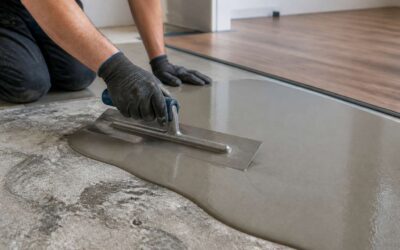
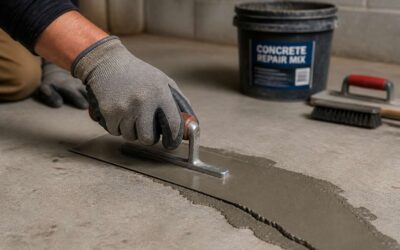
Once clean, inspect the floor for cracks or chips. These imperfections can compromise the integrity of your concrete floor paint. Repair any damage with a suitable concrete patching compound, ensuring a smooth, even surface. After repairs have dried, the next vital step is priming. A high-quality primer tailored for concrete enhances the paint’s bond, ensuring it adheres firmly and resists peeling over time.
Remember, the foundation you lay today will determine how vibrant and resilient your concrete floor paint will be tomorrow. Proper preparation isn’t just an extra step; it’s the cornerstone of a truly exceptional finish.
Application Techniques – Rolling, brushing, and spray methods
Applying concrete floor paint is an act of transformation—an opportunity to imbue a space with resilience and aesthetic allure. The method you choose can define the longevity and visual impact of your project. Rolling, brushing, and spray techniques each serve a purpose, depending on the surface’s complexity and the desired finish.
Rolling remains the most accessible method, offering even coverage and a smooth finish. Use a high-quality roller designed for concrete floor paint to avoid streaks and ensure a consistent coat. For more intricate corners or detailed areas, brushing provides precision, allowing you to push the paint into crevices and hard-to-reach spots. When speed is paramount, spraying can coat large areas rapidly, but demands a steady hand and proper masking to prevent overspray.
In some cases, combining these methods yields the best results. For example, start with spray application for large, flat surfaces, then finish with a roller or brush for touch-ups and detailed areas. This layered approach ensures that your concrete floor paint adheres deeply and uniformly, creating a finish that is both stunning and enduring.
Drying and Curing Time – Expected timelines and tips for optimal results
Patience is a virtue—especially when it comes to applying concrete floor paint. Once your masterpiece is on, rushing the drying process is like trying to speed up a snail race—futile and likely to ruin your hard work. Typically, concrete floor paint needs about 24 to 48 hours to dry completely, but this can vary depending on humidity, temperature, and the thickness of your coat. For the best results, avoid foot traffic during this window, and resist the temptation to inspect your work every five minutes—trust the process!
To ensure your paint adheres like a loyal dog, curing time is just as crucial as drying. Most concrete floor paint benefits from a curing period of 7 days, during which the coating reaches peak durability. During this time, keep the surface free from water, heavy objects, or abrasive cleaning; patience here guarantees a resilient finish that will stand up to South Africa’s harsh sun and bustling lifestyle.
- Allow the paint to dry in a dust-free environment, ideally with good ventilation.
- Keep the area well-ventilated, but avoid direct drafts that could disturb the curing process.
- If you need to speed up drying, using a fan or dehumidifier can help, but never force it with heat or direct sunlight—your concrete floor paint will thank you!
Remember, rushing the drying or curing process will only jeopardize your project’s longevity. A little patience goes a long way toward a stunning, durable finish that will make your concrete floor stand proud for years to come.
Safety Tips – Ventilation, protective gear, and handling instructions
Applying concrete floor paint is an art that demands respect for safety and precision. To ensure a flawless finish that endures South Africa’s vibrant climate, proper safety precautions are paramount. Well-ventilated spaces are essential; fumes from concrete floor paint can be potent, so open windows and doors generously. Adequate airflow not only disperses hazardous vapors but also prevents paint buildup that could compromise your work’s quality.
Protective gear is your armor against potential splatters or accidental contact. Wear a high-quality mask, gloves, and goggles—these simple steps shield you from airborne particles and skin irritation. Handling instructions should never be overlooked: always follow manufacturer guidelines on mixing, application, and drying times. Remember, patience and caution today forge the resilient, glossy finish that will elevate your space for years to come.
- Ensure the area is free of dust and debris before starting.
- Use the right brushes or rollers suited for concrete floor paint to achieve an even coat.
- Dispose of unused paint and materials responsibly, adhering to local regulations.
By prioritizing safety and meticulous handling, your journey with concrete floor paint becomes not just a task but a celebration of craftsmanship—transforming ordinary floors into extraordinary foundations of style and durability. From preparation to application, every step echoes your commitment to quality, making the process as rewarding as the stunning finish that awaits.
Maintenance and Longevity of Concrete Floor Paint
Routine Cleaning – Best practices for keeping paint looking new
Maintaining the pristine appearance of your concrete floor paint is an ongoing process that greatly influences its longevity. Routine cleaning is the cornerstone of preservation, helping to prevent dirt, grime, and abrasive particles from eroding the surface over time. A simple yet effective method involves sweeping regularly to remove loose debris, followed by damp mopping with a mild detergent. This gentle approach ensures that the paint’s protective layer remains intact, preserving its vibrant hue and smooth finish.
For high-traffic areas, choosing the right concrete floor paint—particularly those with superior wear resistance—is crucial. Over time, signs of wear such as minor chipping or dullness can appear, but addressing these early with spot repairs and touch-ups can extend the lifespan of your coating. Remember, the key to a long-lasting finish lies not just in initial application but in consistent upkeep that respects the integrity of the paint. When properly maintained, your concrete floor paint can continue to serve as both a durable and aesthetic feature in your space for many years to come.
Touch-Ups and Repairs – Addressing chips, peeling, or scratches
In the realm of enduring beauty and resilience, concrete floor paint stands as a formidable guardian of our surfaces. Yet, even the most robust coatings require tender care—especially when it comes to touch-ups and repairs. Chips, peeling, or scratches are not mere blemishes; they are signals that the surface’s integrity needs some attention to preserve its majestic allure.
Addressing these imperfections promptly can dramatically extend the lifespan of your concrete floor paint. For minor damages, gently sanding the affected area helps create a pristine canvas for touch-up applications. Using high-quality concrete floor paint that matches the original hue ensures a seamless repair, maintaining the uniformity of your surface. When larger sections are compromised, a systematic approach involving thorough cleaning, priming, and multiple coats of paint can restore the surface’s splendor.
In high-traffic zones, where wear and tear are inevitable, regular inspections paired with strategic repairs can prevent minor issues from escalating into costly overhauls. Remember, the key to safeguarding your investment lies in diligent upkeep, ensuring that your concrete floor paint continues to radiate a captivating charm while defending against the relentless march of time. With each meticulous touch-up, your surface transforms into a resilient tableau—ready to withstand life’s inevitable scuffs and scratches, maintaining its vibrant allure for years to come.
Repainting and Refreshing – When to consider re-coating your floor
Concrete floor paint is not merely a superficial layer; it is a testament to resilience and aesthetic ambition. As time marches on, the relentless barrage of foot traffic, environmental elements, and daily wear inevitably begins to erode its pristine appearance. To preserve the integrity and allure of your surface, understanding when to consider re-coating your concrete floor becomes essential. The longevity of concrete floor paint hinges on vigilant observation and timely intervention.
Typically, a well-maintained surface can retain its vibrancy for several years, but signs such as dullness, minor cracks, or slight peeling are indicators that a fresh coat might be due. Regular inspections reveal subtle shifts that, if addressed early, can significantly prolong the life of your concrete floor paint. When the existing coating begins to show signs of wear, re-coating offers an opportunity to rejuvenate the surface without the costly necessity of complete resurfacing.
- Surface damage that extends beyond superficial blemishes
- Noticeable loss of gloss or color fading
- Persistent staining or minor cracking
- Increased susceptibility to chips and scratches
In high-traffic zones, re-coating becomes a strategic move to ensure durability and maintain a professional appearance. The process involves thorough cleaning, proper surface preparation, and the application of high-quality concrete floor paint designed to withstand the rigors of daily use. When executed with precision, refreshing your concrete floor not only restores its visual appeal but also reinforces its protective barrier, ensuring that your investment endures despite the passage of time.
Environmental Factors – Impact of moisture, UV exposure, and temperature changes
Maintaining the integrity of your concrete floor paint is a silent battle against the elements. Moisture, UV exposure, and temperature fluctuations are relentless adversaries, each capable of subtly undermining your surface’s durability over time. In South Africa’s diverse climate, these environmental factors can accelerate wear, demanding vigilant oversight to preserve your investment.
Moisture intrusion, often unseen, can cause the paint to bubble or peel if left unchecked. UV rays, especially in outdoor settings, gradually fade colors and weaken the protective layer, compromising the aesthetic appeal. Meanwhile, fluctuating temperatures induce expansion and contraction, leading to cracking or chipping. Recognizing these signs early can be the difference between a simple touch-up and a costly overhaul.
- Regular inspections to assess surface condition
- Implementing protective coatings to shield against UV damage
- Addressing cracks or water ingress promptly to prevent further deterioration
Choosing the right concrete floor paint for your environment is essential. High-quality formulations designed to withstand South Africa’s particular climate variables not only extend the lifespan of your surface but also maintain its visual impact. When environmental stressors are managed with foresight, your concrete floor remains resilient, stunning, and protected for years to come.
Top Brands and Products for Concrete Floor Paint
Market Leaders – Overview of reputable brands
When it comes to choosing a top-tier concrete floor paint, the market is teeming with reputable brands that have earned their reputation through innovation and durability. In South Africa, the competition is fierce, with brands like Sherwin-Williams, Rust-Oleum, and Dulux leading the charge. These market leaders are renowned for their high-performance concrete floor paint products, designed to withstand the harsh outdoor elements and heavy foot traffic.
Among these, Sherwin-Williams offers a comprehensive range of epoxy and acrylic concrete floor paints known for their exceptional lifespan and vibrant finishes. Rust-Oleum, on the other hand, specializes in industrial-grade coatings that resist stains and abrasions—perfect for both commercial and residential applications. Dulux’s innovative formulations deliver not only durability but also a variety of aesthetic options, from matte to gloss finishes. For those seeking reliability and excellence, these brands set the benchmark in the concrete floor paint market.
- Sherwin-Williams
- Rust-Oleum
- Dulux
Understanding these brands’ offerings can help consumers make informed decisions, ensuring their concrete surfaces remain protected and visually appealing for years to come. Each of these market leaders continuously pushes the envelope, blending advanced technology with practical application—truly the vanguards of the concrete floor paint industry in South Africa.
Eco-Friendly Options – Green alternatives and low-VOC products
In a world increasingly conscious of sustainability, eco-friendly options for concrete floor paint are gaining ground across South Africa. These green alternatives not only reduce environmental impact but also contribute to healthier indoor air quality. Low-VOC (volatile organic compound) products are particularly popular, offering the same durability and aesthetic appeal as traditional paints without the harmful fumes.
Leading brands now feature environmentally conscious formulations that cater to eco-aware consumers. For example, some manufacturers produce concrete floor paint with natural pigments and water-based binders, ensuring minimal emissions and easier cleanup. These products are perfect for residential spaces, workshops, or commercial areas where sustainability is a priority.
Some noteworthy eco-friendly options include:
- Low-VOC epoxy concrete floor paint
- Water-based acrylic coatings with sustainable ingredients
- Natural clay-based finishes for aesthetic charm
Choosing these environmentally considerate alternatives ensures you protect your surface while also safeguarding the planet. It’s a testament to how innovation in concrete floor paint can harmonize durability with ecological responsibility, making it easier than ever to take a step toward greener living. South Africa’s market continues to evolve, embracing low-impact solutions that don’t compromise on quality or style.
Budget-Friendly Choices – Cost-effective paints without compromising quality
In a landscape where affordability often dictates choice, the landscape of concrete floor paint offers surprisingly rich options that do not sacrifice quality for cost. South African homeowners and business proprietors alike are discovering that budget-friendly concrete floor paint can transform spaces with minimal financial outlay, yet maximum visual and functional impact.
Leading brands have honed their formulations to deliver resilient, aesthetically pleasing coatings that stand up to wear and tear. For those seeking economical solutions, products such as basic water-based acrylic paints and entry-level epoxy coatings provide durability and a sleek finish without breaking the bank. These options are perfect for garages, workshops, or less-trafficked areas where cost-effectiveness is paramount.
Many reputable manufacturers now offer concrete floor paint that balances affordability with longevity. For example, some brands produce layered acrylics that are simple to apply and maintain, while others feature pre-mixed epoxy paints designed specifically for high-traffic zones. When choosing a budget-friendly option, it’s vital to consider the specific needs of your environment—whether it’s resistance to scratches or ease of reapplication—and select a product that aligns with these priorities.
- High-quality, cost-efficient paints from trusted brands.
- Epoxy and acrylic formulations tailored for affordability.
- Simple application methods suitable for DIY enthusiasts.
In South Africa’s diverse climate, selecting the right economical concrete floor paint can be a strategic decision—ensuring your investment endures while keeping expenses in check. This delicate balance between quality and cost underscores the ingenuity of brands that craft paints capable of delivering both durability and style, proving once again that a beautiful floor need not be a luxury reserved for the few.
User Recommendations and Reviews – Customer feedback and expert opinions
In the bustling world of concrete floor paint, certain brands have managed to carve out legendary status—almost like the rock stars of the coating universe. Customers in South Africa rave about these top contenders for their unwavering durability and stellar finishes. According to industry insiders, choosing the right product can make or break your project—literally! The reviews from homeowners and business owners alike frequently sing praises about brands that combine reliability with affordability.
Leading the pack are brands like Rust-Oleum, Sherwin-Williams, and local heroes such as Dulux and Plascon, all of which offer an impressive lineup of concrete floor paints. Many users highlight that epoxy paints from these brands provide a sleek, high-gloss finish perfect for garages and workshops, while acrylic variants are celebrated for their ease of application and quick drying times. Customer feedback often emphasizes the importance of selecting a concrete floor paint that aligns with specific needs—whether it’s resisting scratches or enduring South Africa’s diverse climate.
- Rust-Oleum’s industrial-grade epoxy paints are praised for their resilience against high traffic and wear.
- Sherwin-Williams offers environmentally friendly options with low VOC emissions that don’t skimp on durability.
- Dulux’s budget-friendly acrylic paints garner commendations for DIY projects, delivering a professional look without the hefty price tag.
Expert opinions underscore that the best concrete floor paint isn’t just about affordability—it’s about longevity and style combined. When choosing a product, consider how well it stands up to your specific environment, and don’t shy away from reading reviews—real users often reveal insights that quick glances at specs simply cannot. After all, the right brand and product can turn a dull slab into a showstopper, proving once more that quality and value can indeed walk hand in hand in the world of concrete floor paint.

0 Comments