Understanding Concrete Floor Polishing Agents
What Is a Concrete Floor Polishing Agent?
A concrete floor polishing agent is a specialized product designed to enhance the appearance and durability of concrete surfaces. Unlike traditional cleaning methods, these agents chemically react with the concrete, revealing a sleek, high-gloss finish. They are essential in transforming dull, rough floors into smooth, reflective surfaces that stand the test of time.
Understanding the role of a concrete floor polishing agent is crucial for achieving professional results. These agents contain fine abrasives and chemical compounds that work together to smooth out imperfections and bring out the natural beauty of concrete. When applied correctly, they can significantly increase the floor’s resistance to stains and wear.
- They are eco-friendly and require minimal maintenance.
- They enhance the structural integrity of the concrete.
- They provide a cost-effective solution for polishing large surfaces.
In essence, a concrete floor polishing agent is the key to unlocking a polished, durable finish that elevates any space’s aesthetic. Proper selection and application of these agents ensure long-lasting results, making them indispensable for commercial and residential projects alike.
Types of Concrete Floor Polishing Agents
Understanding the different types of concrete floor polishing agents is essential for achieving the perfect finish. These agents vary based on their chemical composition and intended application. Some are designed for initial light polishing, while others focus on achieving a high-gloss, mirror-like surface. Choosing the right concrete floor polishing agent depends on the condition of the concrete and the desired aesthetic.
There are primarily two categories of concrete floor polishing agents: chemical reactive agents and mechanical polishers. Chemical reactive agents interact with the concrete’s surface, creating a densified, glossy layer. Mechanical polishers, on the other hand, rely on abrasives to smooth out imperfections. Often, a combination of both yields the best results.
- Acid-based polishing agents
- Polymer-based sealers
- Abrasive compounds for mechanical polishing
Each type of concrete floor polishing agent offers unique benefits. Acid-based agents excel at enhancing natural colour and texture. Polymer-based sealers provide long-lasting shine and stain resistance. Mechanical abrasives are perfect for creating a smooth, reflective surface. Selecting the right agent is key to a durable, professional finish that lasts for years.
Benefits of Using a Concrete Floor Polishing Agent
In the realm of modern architecture and industrial elegance, the choice of a concrete floor polishing agent can transform a mundane surface into a stunning masterpiece. The benefits extend far beyond mere aesthetics; a well-applied concrete floor polishing agent enhances durability, minimizes maintenance, and elevates the overall ambiance of any space. When a concrete floor gleams with a mirror-like finish, it tells a story of resilience and refined taste—an ode to craftsmanship and vision.
Using a concrete floor polishing agent also offers practical advantages. It helps in sealing the surface, making it resistant to stains, spills, and wear. This is especially vital in high-traffic areas where the integrity of the floor is constantly tested. Furthermore, a polished surface reduces dust and allergen accumulation, improving indoor air quality and creating a healthier environment.
When selecting the perfect concrete floor polishing agent, consider the specific needs of your project. Whether you seek a subtle enhancement of natural colour or a high-gloss, reflective finish, the right agent ensures longevity and aesthetic excellence. As the saying goes, beauty is in the details—especially when those details are sealed with a superior concrete floor polishing agent!
Features to Look for in a Quality Polishing Agent
Durability and Longevity
When selecting a concrete floor polishing agent, durability and longevity should be at the top of your list. A high-quality polishing agent can significantly extend the lifespan of your polished surface, saving you money and maintenance headaches in the long run. The best agents are designed to withstand the wear and tear of daily foot traffic, heavy machinery, and environmental factors common in South Africa’s diverse climate.
In addition to resilience, a superior concrete floor polishing agent offers consistent performance over time. This means the shine remains vibrant and the surface stays smooth without frequent reapplication. To ensure you’re choosing the right product, look for features such as resistance to staining, UV stability, and ease of maintenance. Sometimes, the simplest choice—an agent with proven durability—can make all the difference in achieving a professional finish that stands the test of time.
Ease of Application
Choosing a concrete floor polishing agent isn’t just about appearance; ease of application can make or break your project. A top-tier polishing agent should be user-friendly, allowing for smooth, even coverage without requiring specialized equipment or expertise. This means less time spent on preparation and more on achieving that perfect shine.
Look for products that spread easily and dry quickly, reducing downtime and ensuring a consistent finish. A good concrete floor polishing agent will also be designed to work effectively in various conditions, whether you’re working indoors or outdoors. This versatility is crucial, especially in South Africa’s diverse climate, where temperature fluctuations can impact application quality.
In some cases, the best agents simplify maintenance as well. Features such as low VOC content and minimal odor not only improve safety but also ease the ongoing upkeep of the polished surface. When selecting a concrete floor polishing agent, prioritize ease of application alongside durability for results that truly stand the test of time!
Eco-Friendly and Safety Attributes
In the realm of concrete floor polishing agents, eco-friendliness and safety are not just buzzwords—they are essential pillars supporting sustainable and healthy environments. A high-quality concrete floor polishing agent should prioritize low VOC (volatile organic compounds) content, ensuring that indoor air remains pure and free from harmful fumes. Additionally, minimal odor during application transforms what could be a daunting task into an almost seamless experience, making it safer for both workers and inhabitants.
Look for products that balance efficacy with environmental consciousness. Many leading concrete floor polishing agents now boast biodegradable ingredients and non-toxic formulations, aligning with global efforts to reduce ecological footprints. This harmony between performance and safety is especially crucial in South Africa’s diverse climate, where eco-responsible choices can significantly impact long-term durability and safety.
- Low VOC emissions
- Biodegradable components
- Non-toxic, safe for all users
- Minimal odor during and after application
Choosing a concrete floor polishing agent with these attributes ensures not only a stunning finish but also a commitment to health and the environment—a crucial consideration for any project aiming to stand the test of time in our beautiful, but environmentally sensitive, landscapes.
Compatibility with Different Concrete Surfaces
In the realm of transformative flooring, a superior concrete floor polishing agent must possess an innate versatility—adapting seamlessly to a myriad of concrete surfaces while maintaining its pristine finish. Imagine a product that not only elevates the aesthetic appeal but also harmonizes with the unique texture and composition of each slab, whether it’s smooth, porous, or textured. This adaptability ensures longevity and consistent results across diverse environments, from bustling warehouses to elegant retail spaces.
For those seeking excellence, it’s crucial to scrutinize the compatibility of the concrete floor polishing agent with different surfaces. Some formulations excel on dense, sealed concrete, offering a mirror-like shine, while others penetrate porous substrates to enhance durability and resistance. An effective polishing agent should also be compatible with various coatings and sealants, preventing any adverse reactions that could compromise the integrity of the floor. A detailed understanding of these factors guarantees that your investment will shine brightly, regardless of the surface’s initial state.
How to Choose the Right Concrete Floor Polishing Agent
Assessing Your Flooring Needs
Choosing the right concrete floor polishing agent hinges on a deep understanding of your unique flooring needs. With South Africa’s diverse climate and building materials, not every concrete floor polishing agent performs equally well across different environments. The key is to assess whether your surface requires enhanced gloss, increased durability, or specific safety features. A high-quality concrete floor polishing agent can transform a mundane slab into a stunning, long-lasting surface that withstands the rigors of daily wear.
To pinpoint the perfect product, consider factors such as the current condition of your concrete, the level of traffic it endures, and any specific aesthetic goals. For instance, if your flooring faces heavy industrial use, an agent with superior hardness and resistance to staining is essential. Conversely, for decorative or residential spaces, a polish that offers a high gloss and easy maintenance might be preferable. Remember, selecting the appropriate concrete floor polishing agent is not just about appearance—it’s about aligning the product’s capabilities with your flooring demands.
- Determine the primary function of your flooring—industrial, commercial, or residential.
- Evaluate the current condition and porosity of your concrete surface.
- Identify key performance requirements such as stain resistance, slip resistance, or aesthetic appeal.
When you understand these foundational aspects, choosing a concrete floor polishing agent becomes a strategic decision rather than a guesswork game. It’s this careful assessment that ensures your investment results in a durable, visually striking surface that stands the test of time and traffic.
Considering Budget and Cost-Effectiveness
Choosing the right concrete floor polishing agent isn’t just about splurging on the fanciest product in the aisle; it’s a strategic dance between quality and budget. In South Africa’s bustling markets and diverse climates, a high-end agent can be a wise investment, but if your budget’s tighter than a Cape Town winter, there are still excellent options that won’t break the bank. The goal? Maximize value without sacrificing performance.
Consider the long-term savings of a durable, cost-effective concrete floor polishing agent. Sometimes, spending a little more upfront on a top-tier product can save you money down the line—less maintenance, fewer repairs, and a stunning finish that lasts. If you’re unsure where to start, here’s a quick lineup to keep in mind:
- Identify your surface’s specific needs—are you after a high-gloss shine or enhanced stain resistance?
- Compare the price points of various concrete floor polishing agents—cheaper isn’t always cheerful in the long run!
- Factor in application costs—some products require professional help, which adds to the overall expense.
Ultimately, a well-chosen, cost-effective concrete floor polishing agent blends performance with affordability, giving your floors the makeover they deserve without draining your wallet. In the end, it’s all about striking the perfect balance—because a beautiful, enduring shine shouldn’t come with an astronomical price tag.
Reading Product Reviews and Ratings
In the labyrinth of choices that flood the market, reading product reviews and ratings for a concrete floor polishing agent becomes your guiding star. These digital voices—testaments of experience—illuminate the true nature of each product, revealing nuances that technical datasheets often conceal. When selecting a concrete floor polishing agent, don’t merely chase the lowest price or the most seductive glossy finish; instead, delve into the stories others share about durability, ease of application, and long-term performance.
To navigate this sea of opinions, consider these steps:
- Identify trusted review platforms that specialize in construction and flooring products.
- Compare ratings across different brands—consistency in positive feedback often signals reliability.
- Pay attention to detailed comments about application difficulty, stain resistance, and shine retention.
Remember, a highly-rated concrete floor polishing agent isn’t just a fleeting promise of perfection; it’s a testament to quality woven through real-world results. Listening closely to the chorus of user experiences can transform your project from a gamble into a calculated masterpiece—because in the realm of concrete polishing, reputation whispers volumes.
Consulting with Flooring Professionals
Choosing the right concrete floor polishing agent is a decision that echoes through the longevity and beauty of your floors. Engaging with flooring professionals can transform this process from a mere selection into an art form—an intricate dance of expertise and intuition. These seasoned specialists possess an almost uncanny ability to read between the lines, assessing the subtle nuances of your concrete surface and guiding you toward the perfect product.
When consulting with experts, ask about their experience with different concrete floor polishing agents, especially those tailored for South African conditions. Their insights can reveal product compatibility and performance expectations that no datasheet can encapsulate. An open dialogue may include discussing:
- The specific wear patterns of your floors
- The level of gloss achievable with different agents
- Long-term maintenance considerations
Remember, the ideal concrete floor polishing agent isn’t just about appearance but about crafting resilience and ease of upkeep for years to come. Trusting professionals ensures your investment is rooted in both expert knowledge and a passion for excellence—because in the end, choosing wisely is an act of love for your space’s future.
Application Tips for Best Results
Surface Preparation
Surface preparation is the silent hero in achieving a flawless finish with your concrete floor polishing agent. Skipping this crucial step can undermine the entire process, leaving behind uneven patches or dull spots that compromise durability. It’s essential to thoroughly clean the surface, removing dust, grease, and any loose debris that could interfere with adhesion. Proper preparation not only enhances the effectiveness of the concrete floor polishing agent but also ensures a long-lasting, mirror-like shine that commands attention.
For optimal results, consider using a concrete grinder or a high-quality scrubber to smooth out imperfections and open the surface’s pores. This step allows the polishing agent to penetrate deeply, creating a resilient, high-gloss finish. When preparing your surface, keep these tips in mind:
- Ensure the concrete is completely dry before applying the polishing agent.
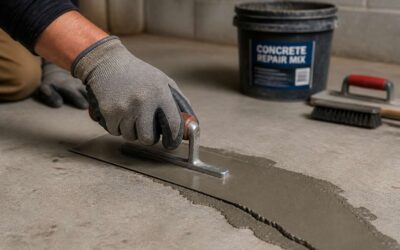
- Check for cracks or chips and repair them beforehand to prevent future issues.
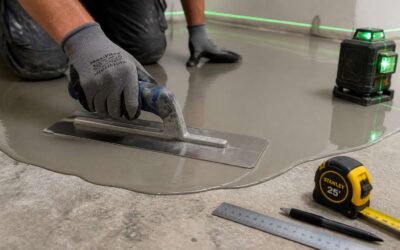
- Measure the moisture content to confirm it falls within the recommended range for polishing agents.
Remember, the success of your project hinges on meticulous surface preparation—an often overlooked detail that can transform a mundane floor into a stunning centerpiece. With the right prep work, your chosen concrete floor polishing agent will perform at its peak, revealing a sleek, resilient surface that stands the test of time in South Africa’s diverse environments.
Application Process
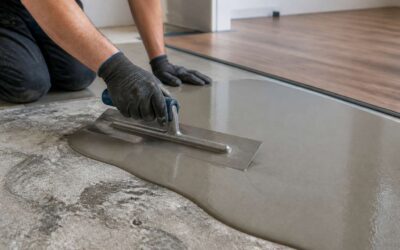
Applying a concrete floor polishing agent isn’t a task for the faint-hearted—think of it as giving your floor a spa day, but with less cucumber slices and more grit. The secret to a stunning, mirror-like finish lies not just in the product but in how you wield it. A smooth, even application will make all the difference between a glossy spectacle and a muddled mess.
Start by ensuring the surface is impeccably clean and dry—no one likes a slippery surprise or dirt hiding beneath the shine. When applying the concrete floor polishing agent, consider using a high-quality applicator, such as a microfiber mop or a specialized polishing pad, to distribute the product evenly. This step prevents streaks and patchiness, ensuring a uniform gloss that can withstand South Africa’s diverse climate.
For best results, follow these simple steps:
- Apply the concrete floor polishing agent in small, manageable sections to maintain control and precision.
- Use overlapping strokes to avoid missed spots and uneven patches, because nobody wants a floor that looks like a patchwork quilt.
- Allow the agent to penetrate the surface for the recommended time—patience here is key, as rushing can compromise that coveted high-gloss finish.
Remember, patience and attention to detail during application elevate your project from ordinary to extraordinary. When done right, your polished concrete floor will not only dazzle visitors but also stand resilient against the wear and tear of everyday life in South Africa. And, of course, a little humor never hurts—after all, it’s just concrete, but with the right polish, it becomes pure magic!
Drying and Curing
In the shadowed corridors of craftsmanship, the true secret to a mirror-like shine lies not solely in the choice of a concrete floor polishing agent but in the delicate art of drying and curing. This phase is where the transformation whispers its final grace, sealing the surface in a glossy, unforgiving veneer of resilience. Patience becomes your most trusted ally—rushing this step risks dulling the brilliance you’ve fought so hard to achieve.
Allow the floor to breathe, unmolested by foot traffic or heavy machinery. A meticulously dried surface ensures that moisture does not seep beneath the polish, which could cause unsightly patches or a hazy finish. For optimal results, consider the climatic conditions—South Africa’s varied climate demands a tailored approach. Warm, dry days are ideal, but if humidity lingers, extra drying time may be necessary to prevent imperfections.
- First, keep the floor free from dirt or debris, as particles trapped beneath the polish can mar the final gleam.
- Next, wait for the curing process to complete—this can range from 24 hours to several days depending on the concrete’s porosity and the type of concrete floor polishing agent used.
- Finally, avoid heavy foot traffic until the curing process has fully settled, ensuring the high-gloss finish remains unmarred and resilient against the rigors of daily life.
In this dark dance of application and curing, every moment of patience illuminates the path toward a finish that not only dazzles but endures—transforming ordinary concrete into a stunning canvas of artistry and strength. The magic of a well-cured concrete floor is undeniable, a testament to mastery and meticulous craftsmanship that turns mere concrete into a gleaming testament to resilience and beauty.
Maintenance and Re-Polishing
Perfecting the art of concrete floor polishing is much like a fine dance—timing and finesse are everything. To achieve that mirror-like sheen, application tips for the best results are paramount. First, ensure the surface is impeccably clean; dust, dirt, and debris are the arch-nemeses of a flawless finish. A meticulous sweep or vacuum will do wonders, preventing particles trapped beneath the concrete floor polishing agent from marring the final gleam.
Once the surface is prepared, applying the concrete floor polishing agent with a steady hand and consistent technique guarantees even coverage. For optimal results, consider using a high-quality applicator—be it a polishing pad, roller, or mechanical sander—and work in small sections. Patience here pays dividends, especially in South Africa’s diverse climate, where moisture levels can influence curing. After application, allow the recommended drying and curing time—this step is crucial to lock in the gloss and resilience of your floor.
Maintenance and re-polishing are equally critical to preserve that stunning finish. Regular cleaning with gentle, pH-neutral cleaners keeps the surface free from grime. When signs of wear begin to show, a light re-polishing using the same concrete floor polishing agent can rejuvenate the surface, restoring that coveted high-gloss appeal. Remember, a well-maintained floor isn’t just about aesthetics; it’s a testament to the durability that a quality concrete floor polishing agent bestows over time.
Safety Precautions and Environmental Considerations
Handling and Storage
Safety Precautions and Environmental Considerations Handling and Storage
Handling a concrete floor polishing agent isn’t quite like juggling flaming torches, but it does require a dash of caution and a keen eye for safety. Did you know that improper handling can lead to skin irritation, respiratory issues, or worse? That’s why wearing protective gear—gloves, goggles, and a mask—is not just a suggestion but a necessity. Remember, a concrete floor polishing agent contains chemicals designed to enhance your floors, not your local pharmacy’s shelves!
Once you’ve got safety covered, environmental considerations come into play. Many concrete floor polishing agents are formulated with eco-friendly ingredients, but it’s essential to handle and store them properly to prevent any accidental spills or leaks. Keep containers tightly sealed and stored in a cool, dry place away from children and pets. For added peace of mind, follow these simple storage tips:
- Store in well-ventilated areas to avoid fumes accumulation.
- Avoid placing near heat sources or open flames.
- Label containers clearly to prevent mix-ups or mishandling.
By respecting these handling and storage guidelines, you ensure the longevity of your concrete floor polishing agent and contribute to a safer, greener environment in your workspace. After all, a polished floor shouldn’t come at the expense of health or the planet!
Protective Equipment
Every shimmering sheen of a polished concrete floor begins with respect—respect for safety and the environment. Handling a concrete floor polishing agent demands more than just a casual glance; it requires an understanding of the potent chemicals within. These substances, designed to create a flawless finish, can pose risks if mishandled. Proper protective equipment is your first line of defense—gloves, goggles, and masks are essential armor against potential splashes or fumes.
But safety isn’t solely about personal protection; it extends to safeguarding our planet. When storing a concrete floor polishing agent, think of it as securing a treasure—tightly sealed and kept in a cool, dry refuge. To prevent accidental spills or leaks, consider this simple, yet crucial, list:
- Store in well-ventilated areas to disperse fumes safely.
- Avoid proximity to heat sources or open flames, as some agents are flammable.
- Label containers clearly, ensuring that every handler recognizes the contents at a glance.
By embracing these best practices, you not only extend the life of your concrete floor polishing agent but also champion a healthier, greener environment. Because true brilliance in flooring begins with responsible stewardship—protecting your workspace and the planet with equal fervor.
Environmental Impact
Safety precautions surrounding the use of a concrete floor polishing agent are not merely procedural—they are ethical imperatives rooted in respect for both human health and environmental integrity. The potent chemicals embedded within these agents possess formidable capabilities to transform dull, unremarkable surfaces into gleaming masterpieces; however, their strength necessitates a cautious approach. Proper protective equipment, such as gloves, goggles, and masks, acts as an indispensable barrier, shielding users from accidental splashes or inhalation of hazardous fumes.
Environmental considerations demand equal vigilance. An often-overlooked aspect is the pristine stewardship of storage practices. Imagine your concrete floor polishing agent as a delicate yet potent resource—requiring a fortress of well-ventilated, cool, and secure storage spaces to prevent leaks or spills. To mitigate risks, consider this straightforward yet vital approach:
- Store in clearly labeled, sealed containers to prevent misapplication.
- Keep away from heat sources or open flames, given some agents’ flammability.
- Ensure storage areas are well-ventilated to disperse harmful fumes effectively.
Implementing these measures is more than compliance; it’s a testament to responsible craftsmanship. The environmental impact of a concrete floor polishing agent extends beyond immediate workspace safety—it echoes into the broader ecological fabric. By conscientiously managing the lifecycle of these substances, from handling to disposal, professionals foster a sustainable environment. Every decision, every precaution, reinforces that true brilliance in flooring emerges not solely from the finish but from a deep-seated commitment to safety and ecological preservation.
Frequently Asked Questions about Concrete Floor Polishing Agents
How long does a polishing agent last?
The lifespan of a concrete floor polishing agent can vary dramatically, influenced by factors such as foot traffic, exposure to chemicals, and the quality of surface preparation. Typically, a well-applied concrete floor polishing agent can last anywhere from 2 to 5 years, offering a brilliant, enduring shine that elevates the aesthetic appeal of any space. However, in high-traffic environments, this duration may be shortened, necessitating re-polishing or touch-ups to maintain that impeccable finish.
Understanding how long a concrete floor polishing agent remains effective is essential for planning maintenance routines and budgeting accurately. Regular inspections can help determine when re-polishing is needed—ensuring your floors retain their luster and durability. For those seeking longevity, choosing a high-quality polishing agent and professional application can make all the difference, especially in South Africa’s diverse climate conditions.
- Frequency of foot traffic
- Type of underlying concrete surface
- Environmental exposure, such as moisture or chemicals
- Quality of initial surface preparation
Ultimately, the durability of a concrete floor polishing agent is a testament to the craftsmanship behind its application and the inherent quality of the product. When properly maintained, your concrete floors can retain their elegant sheen for years, transforming ordinary spaces into showcases of resilience and beauty.
Can I use multiple products together?
When it comes to the world of concrete floor polishing agents, one question often echoes in the corridors of decision-making: can I use multiple products together? The short answer—brace yourself—is yes, but with a healthy dose of caution and a dash of strategic planning. Mixing different concrete floor polishing agents might seem like a shortcut to that mirror-like shine, but it’s more akin to a culinary experiment gone awry. Not all products play nicely, and incompatible combinations can cause uneven finishes or, worse, damage to your precious concrete surface.
If you’re contemplating a cocktail of polishing agents, consider this simple rule: always check the manufacturer’s guidelines. Some products are formulated with specific chemical compatibilities that, when combined with others, could react unfavorably. To keep things straightforward, many professionals recommend sticking to one trusted brand or type of concrete floor polishing agent during a single application cycle. This ensures a seamless, durable finish that withstands the test of South African weather and foot traffic.
For those who insist on mixing, here’s a quick rundown:
- Research compatibility—never assume what works for one product works for another.
- Test on a small, inconspicuous area—because surprises in concrete finishing aren’t always welcome.
- Consult with a flooring professional—after all, expertise beats experimentation when it comes to long-lasting results.
Remember, the goal isn’t just a glossy surface but a resilient one that endures the daily grind. When it comes to concrete floor polishing agents, a little prudence in mixing can save you time, money, and a whole lot of frustration—and keep your floors looking spectacular for years to come.
Are polishing agents suitable for outdoor concrete?
Outdoor concrete surfaces are often subjected to harsh weather conditions, raising the question: are concrete floor polishing agents suitable for outdoor use? The answer is nuanced. While some high-quality concrete floor polishing agents are designed to withstand the elements, not all are suitable for exterior applications. The key lies in selecting a product formulated with weather-resistant properties, which can endure South Africa’s intense sun, rain, and foot traffic.
For outdoor concrete, look for a polishing agent that offers increased durability and UV resistance. These specialized products help maintain the glossy finish and prevent degradation over time. If you’re unsure, consulting the product specifications or a flooring professional can save you from costly mistakes. Remember, the right concrete floor polishing agent can transform a weather-beaten slab into a stunning, resilient surface ready to brave the elements for years to come.
In some cases, applying a concrete floor polishing agent with an added sealant or coating enhances its outdoor lifespan. This layered approach offers extra protection against moisture infiltration and surface wear. Whether for a patio, driveway, or industrial outdoor space, using a dedicated outdoor-ready concrete floor polishing agent is essential for achieving long-lasting results.
How often should I re-apply the polishing agent?
In the symphony of surface maintenance, the question of reapplication echoes like a gentle refrain: how often should one re-apply the concrete floor polishing agent? The answer, shrouded in the nuances of usage and environment, is as fluid as the surface itself. Typically, a well-applied concrete floor polishing agent can preserve its gleam for several years, but this longevity hinges on the traffic, weather conditions, and proper upkeep. For high-traffic outdoor spaces, re-polishing might be necessary every 1 to 3 years to sustain that mirror-like finish and structural resilience.
In the realm of durability, periodic re-application acts as a shield, warding off the relentless assault of wear and tear. The process is not merely maintenance but a ritual of rejuvenation—restoring the luster and protective qualities of your concrete surface. When considering how often to re-apply, assess the surface’s exposure to elements such as South Africa’s fierce sun or rain, which can accelerate degradation.
To keep your concrete looking pristine, pay close attention to signs of fading, surface scratches, or a loss of gloss. These subtle cues are the surface’s whisper that a new layer of concrete floor polishing agent might be needed, ensuring your investment remains resilient and radiant for years to come!

0 Comments